✓ Cannabis legality varies by state, from fully legal to medical-only or illegal.
✓ Licensed dispensaries are the only legal source for cannabis products.
✓ Online search engines and specialized apps are key tools for locating dispensaries.
✓ Always verify a dispensary's license and check local regulations before visiting.
How It Works
1
Understand State Laws
Before searching, know your state's current cannabis laws (recreational, medical, or illegal). This determines what you can legally purchase and possess.
2
Utilize Online Resources
Use reputable websites, apps, and search engines specifically designed for finding cannabis dispensaries. These platforms typically list licensed retailers.
3
Verify Dispensary Legitimacy
Always check for state-issued licenses and reviews to ensure you're visiting a legitimate and safe establishment. Avoid unlicensed operations for your safety.
4
Plan Your Visit
Confirm operating hours, payment methods, and any specific requirements (like medical cards or ID) before heading to the dispensary. This ensures a smooth experience.
Navigating the Legal Landscape: Understanding State Cannabis Laws
Photo: Erik Mclean / Pexels
The journey to where to find legal cannabis dispensaries begins with a fundamental understanding of the United States' patchwork of cannabis laws. Unlike alcohol or tobacco, cannabis remains federally illegal, creating a complex legal environment where state laws dictate access and legality. This means that what is perfectly legal in one state could lead to severe penalties just across the border. For consumers, this necessitates a critical first step: knowing the specific regulations governing cannabis in their current location and any destination they plan to visit.
Broadly, states fall into a few categories: states with adult-use (recreational) cannabis programs, states with medical cannabis programs, states with decriminalized cannabis, and states where cannabis remains fully illegal. Adult-use states, like Colorado, California, Massachusetts, and Illinois, allow individuals aged 21 and older to purchase cannabis products from licensed dispensaries without a medical recommendation. These dispensaries often offer a wide range of products, including flower, edibles, concentrates, and topicals, catering to a diverse consumer base. The regulations around purchase limits, consumption locations, and possession amounts are strictly enforced, and understanding these is paramount to a lawful experience. For instance, while you can buy cannabis, public consumption is almost universally prohibited, and transporting cannabis across state lines, even between two legal states, is a federal offense.
Medical cannabis states, such as Florida, Pennsylvania, and New York (which also has adult-use), permit qualifying patients with specific medical conditions to obtain cannabis with a doctor's recommendation or a state-issued medical marijuana card. Access in these states is typically through medical dispensaries, which often have a more clinical atmosphere and a product selection tailored to therapeutic needs. The process for obtaining a medical card usually involves a consultation with a licensed physician and registration with the state's medical cannabis program. It's crucial to understand the nuances of each state's medical program, including qualifying conditions, possession limits, and reciprocity laws (if any) for out-of-state medical cardholders. Some states may recognize out-of-state medical cards, while others do not, making prior research essential.
Then there are states where cannabis is decriminalized but not fully legal, meaning possession of small amounts might result in a fine rather than arrest, but there are no legal dispensaries. Finally, a diminishing number of states still consider cannabis illegal, with harsh penalties for possession, sale, or cultivation. Before you even begin to search for a dispensary, confirm the legal status of cannabis in your desired location. This foundational knowledge is your first and most important tool in safely and legally accessing cannabis. Websites like NORML or state government cannabis regulatory sites are excellent resources for up-to-date legal information. Ignoring these laws can lead to significant legal trouble, underscoring the importance of diligent research. Knowing the local laws is not just about avoiding legal issues; it's also about ensuring you're purchasing from legitimate sources that adhere to strict safety and quality standards set by the state.
Your Digital Compass: Top Tools for Finding Licensed Cannabis Retailers
Photo: RDNE Stock project / Pexels
Once you've confirmed the legal status of cannabis in your area, the next step in where to find legal cannabis dispensaries is leveraging the power of digital tools. In the modern era, finding a licensed cannabis retailer is often just a few clicks away, thanks to a robust ecosystem of specialized websites and mobile applications. These platforms act as your digital compass, guiding you to legitimate establishments and providing crucial information to enhance your purchasing experience.
Leading the charge are dedicated cannabis directories and marketplaces. Websites like Weedmaps, Leafly, and AllBud have become indispensable resources for cannabis consumers. These platforms typically feature comprehensive listings of dispensaries, complete with addresses, operating hours, contact information, menus of available products, pricing, and often, customer reviews. Many even offer online ordering for in-store pickup or, where legal, delivery services. The user interfaces are usually intuitive, allowing you to filter searches by location, product type (e.g., indica, sativa, edibles, concentrates), price range, and even specific brands. Beyond just listings, these sites often provide educational content, news, and strain guides, making them a one-stop shop for cannabis enthusiasts.
Mobile applications offer a similar, often more convenient, experience. Available for both iOS and Android, apps from companies like Weedmaps and Leafly bring the power of their web platforms directly to your smartphone. With location services enabled, these apps can instantly show you the nearest licensed dispensaries, making on-the-go searches incredibly efficient. They often include features like loyalty programs, push notifications for deals, and integrated mapping for easy navigation. The convenience of having this information readily available in your pocket cannot be overstated, especially when traveling or exploring new areas.
Beyond these cannabis-specific platforms, general search engines like Google Maps can also be effective. A simple search for "cannabis dispensary near me" or "legal weed store [city, state]" will often yield a list of local businesses. However, it's crucial to exercise caution with general search results. While many legitimate dispensaries will appear, these results might also include unlicensed operations or businesses that are not strictly dispensaries (e.g., head shops that don't sell cannabis itself). Always cross-reference any establishment found via general search with a dedicated cannabis directory or your state's official licensing database to ensure its legitimacy. This extra step is vital for your safety and to ensure compliance with local laws.
Social media platforms, while not primary search tools, can sometimes offer insights into local dispensaries, promotions, and community discussions. However, direct advertising and sales of cannabis are often restricted on these platforms, so their utility is more for gathering anecdotal information or staying updated on local cannabis culture rather than finding initial listings. Always prioritize official directories and state resources for accurate and verified information when looking to purchase legal cannabis products.
Ensuring Legitimacy and Safety: Verifying Licensed Dispensaries
Photo: Jess Loiterton / Pexels
Finding where to find legal cannabis dispensaries isn't just about location; it's fundamentally about ensuring legitimacy and safety. In a burgeoning industry still grappling with a black market, distinguishing between a licensed, reputable dispensary and an illicit operation is paramount. Patronizing licensed establishments guarantees product quality, safety, and adherence to legal standards, protecting both your health and your legal standing. This section will guide you through the essential steps to verify a dispensary's legitimacy.
The most direct and reliable method to verify a dispensary's license is through your state's official cannabis regulatory agency. Almost every state with a legal cannabis program has a dedicated government body responsible for overseeing the industry, issuing licenses, and enforcing regulations. These agencies typically maintain public databases or lists of all licensed cultivators, processors, and dispensaries. For example, in California, the Department of Cannabis Control (DCC) provides an online license search tool. In Massachusetts, the Cannabis Control Commission (CCC) offers a similar resource. A quick search on your state's official government website (look for '.gov' domains) for terms like "cannabis control board," "marijuana licensing," or "dispensary verification" should lead you to the relevant database. Always cross-reference the name and address of the dispensary you plan to visit with these official lists. If a business isn't listed, it's not legally operating.
Beyond official state databases, reputable cannabis directories and marketplaces like Weedmaps and Leafly often include license numbers for the dispensaries they list. While these platforms are generally reliable, it's a good practice to use them as a starting point and then perform a final verification with the state's official source, especially if you have any doubts. These platforms also serve as indicators of a dispensary's reputation through customer reviews and ratings. A dispensary with numerous positive reviews and a strong community presence on these sites is usually a good sign, though it doesn't replace official license verification.
When you arrive at a dispensary, there are also visual cues that can help confirm its legitimacy. Licensed dispensaries are typically well-maintained, professionally operated, and clearly display their state-issued license. Don't hesitate to ask to see their license if it's not prominently displayed. They will also have strict protocols for checking IDs and medical cards (if applicable), often requiring you to sign in. Packaging for legal cannabis products will always be child-resistant, clearly labeled with potency, ingredients, testing information, and a state-mandated warning label. Unlicensed operations often lack these professional standards, use generic or uninformative packaging, and may not rigorously check identification. These red flags should prompt you to leave immediately.
Finally, be wary of unusually low prices or deals that seem too good to be true. While legal dispensaries run promotions, significantly undercutting market prices can be a sign of an illicit operation that avoids taxes and regulatory costs. Prioritizing legitimacy over a potential bargain is crucial for your safety and for supporting the regulated cannabis market. By taking these steps, you not only ensure you're where to find legal cannabis dispensaries but also contribute to a safer and more responsible cannabis industry.
Planning Your Visit: Tips for a Smooth Dispensary Experience
Photo: Terrance Barksdale / Pexels
Once you've successfully identified where to find legal cannabis dispensaries and verified their legitimacy, the final step is to plan your visit for a smooth and enjoyable experience. A little preparation can go a long way, especially for first-time visitors or those new to a particular dispensary. Here are essential tips to ensure you're ready:
**1. Check Operating Hours and Peak Times:** Dispensaries, like any retail business, have specific operating hours. Always confirm these before heading out. Additionally, consider visiting during off-peak hours (often mid-morning or early afternoon on weekdays) to avoid crowds and potentially receive more personalized attention from budtenders. Weekends and evenings are generally busier.
**2. Understand Payment Methods:** Due to federal banking regulations, many cannabis dispensaries operate on a cash-only basis. While some may have ATMs on-site, it's always best to come prepared with enough cash. A growing number of dispensaries are adopting cashless payment solutions, such as debit card processing or proprietary payment apps, but cash remains king in much of the industry. Always check the dispensary's website or call ahead to confirm accepted payment methods.
**3. Bring Valid Identification:** This is non-negotiable. Whether you're purchasing recreational or medical cannabis, you will need a valid, government-issued photo ID (driver's license, state ID, passport) to prove you are of legal age (21+ for recreational, or 18+/21+ with a medical card for medical). For medical cannabis, ensure you have your valid medical marijuana card or doctor's recommendation as required by state law. No ID, no entry, no purchase – it's that simple and strictly enforced.
**4. Research the Menu (if available):** Many dispensaries provide their current menu online via their website or through platforms like Weedmaps and Leafly. Reviewing the menu beforehand allows you to browse products, compare prices, and decide what you might want to purchase. This saves time and helps you articulate your preferences to the budtender, leading to a more efficient and satisfying visit. You can research different strains, forms (flower, edibles, vapes), and potencies.
**5. Know Your Limits and Needs:** Be aware of your state's purchase limits for recreational or medical cannabis. These limits are typically expressed in ounces for flower and milligrams for edibles or concentrates. Also, consider what you're looking for. Are you new to cannabis and seeking a low-potency edible for relaxation? Or an experienced user looking for a specific strain for pain relief? Communicating your needs and experience level to the budtender will help them guide you to the most appropriate products. Don't be afraid to ask questions; budtenders are knowledgeable resources.
**6. Be Prepared for Security:** Licensed dispensaries often have robust security measures, including security guards, surveillance cameras, and controlled access points. This is for everyone's safety and compliance with state regulations. Be patient and follow any instructions given by security personnel.
**7. Plan for Consumption:** Remember that public consumption of cannabis is illegal in most places, even in states where it's legal to purchase. Plan to consume your purchases in a private residence or other designated legal areas. Never consume and drive.
Following these tips will ensure a smooth, legal, and enjoyable experience when visiting a cannabis dispensary, allowing you to focus on finding the right products for your needs.
Comparison
Feature
Official State Website
Cannabis Directories (e.g., Weedmaps)
General Search Engines (e.g., Google Maps)
Legitimacy Verification
Highest Reliability
High Reliability (cross-check advised)
Moderate Reliability (needs verification)
Product Menus/Pricing
Limited/None
Extensive (often real-time)
Limited (depends on dispensary listing)
Customer Reviews/Ratings
None
Extensive
Available (general business reviews)
Ease of Use (Discovery)
Specific Search Required
Very User-Friendly
Good for 'near me' searches
Mobile App Availability
Rare
Common and Feature-Rich
Integrated with map apps
Educational Content
Regulatory info only
Extensive strain guides, news
General articles
What Readers Say
★★★★★
"Finding where to find legal cannabis dispensaries was incredibly easy using Weedmaps in Denver. The app showed me licensed stores nearby, their menus, and prices. It made my first recreational purchase super straightforward and stress-free."
Sarah J. · Denver, CO
★★★★★
"I always use my state's official cannabis website to verify dispensaries in LA. It gives me peace of mind knowing I'm buying from a legitimate, regulated source, ensuring product safety and quality every time."
Mark T. · Los Angeles, CA
★★★★★
"This guide helped me understand the importance of checking state laws before visiting. I now confidently know where to find legal cannabis dispensaries and what to expect, leading to much better experiences."
Jessica L. · Boston, MA
★★★★★
"While Google Maps helped me locate a few places, the advice here about cross-referencing with official state lists was crucial. One place I found wasn't licensed, so this guidance saved me from a potential issue."
David R. · Phoenix, AZ
★★★★★
"As a medical patient, knowing where to find legal cannabis dispensaries that cater to specific needs is vital. Using Leafly's filters for medical products has consistently led me to the right places with knowledgeable staff."
Emily P. · Portland, OR
Frequently Asked Questions
What's the difference between a legal and an illegal cannabis dispensary?
A legal cannabis dispensary is licensed and regulated by the state, adhering to strict rules regarding product testing, labeling, sales, and taxes. Illegal operations lack these licenses, sell untested products, and operate outside the law, posing significant health and legal risks to consumers.
Is it safe to buy cannabis from an online dispensary?
It is only safe if the online dispensary is a licensed retailer operating within a state where online sales and delivery are legal. Always verify their state license and ensure they are compliant with local delivery laws to avoid illicit products or legal issues.
How do I find out if my state has legal recreational cannabis?
You can find out by visiting official government websites for your state, such as the Department of Health or a dedicated cannabis control commission. Reputable cannabis news sites and advocacy groups like NORML also provide up-to-date legal status maps and information.
Do legal cannabis dispensaries accept credit cards?
Due to federal prohibition, most legal cannabis dispensaries operate on a cash-only basis. Some may offer debit card processing or specialized cashless payment solutions, but it's always best to bring cash or check their website for accepted payment methods before visiting.
Are there any age restrictions to enter a legal cannabis dispensary?
Yes, for recreational cannabis, you must typically be 21 years or older with a valid government-issued ID. For medical cannabis dispensaries, the age requirement can vary by state (often 18+ with a valid medical card), but a valid ID is always required.
Who should use legal cannabis dispensaries?
Anyone of legal age (21+ for recreational, or qualifying patients 18+/21+ for medical) who wishes to safely and legally purchase tested, regulated cannabis products. This includes both new and experienced consumers seeking quality and compliance.
What are the risks of buying from an unlicensed cannabis source?
Risks include purchasing untested products that may contain harmful contaminants (pesticides, heavy metals, mold), inaccurate potency labeling, potential legal penalties for illegal possession, and a lack of consumer protection or recourse for faulty products.
How might cannabis dispensary access change in the future?
Future changes could include more states legalizing cannabis, potential federal decriminalization or legalization, which would ease banking restrictions and interstate commerce, and a broader expansion of delivery services and consumption lounges.
Armed with this comprehensive guide, you now know exactly where to find legal cannabis dispensaries across the US. Begin your safe and informed cannabis journey today by utilizing these tools and tips to locate a licensed retailer near you.
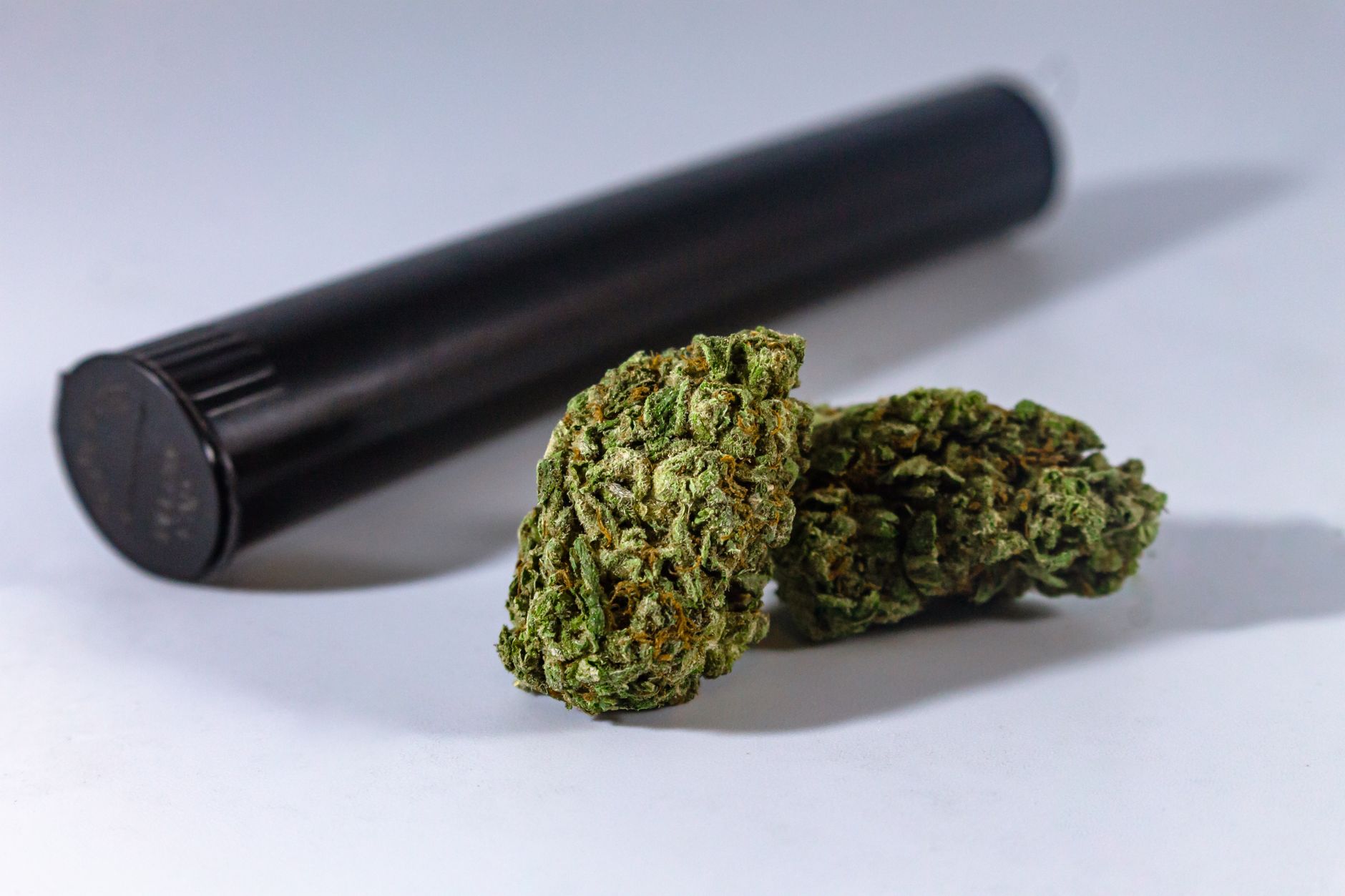
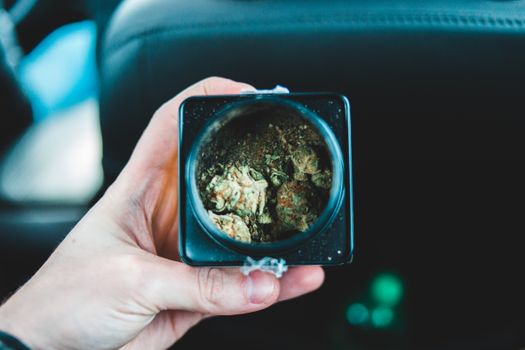 Photo: Erik Mclean / Pexels
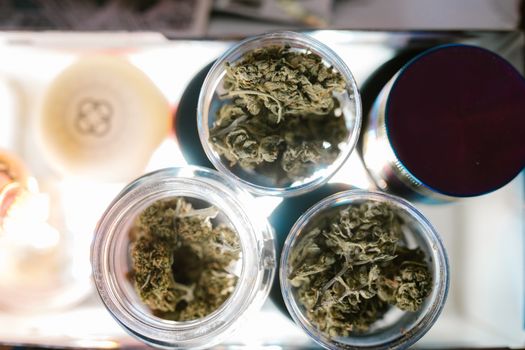 Photo: RDNE Stock project / Pexels
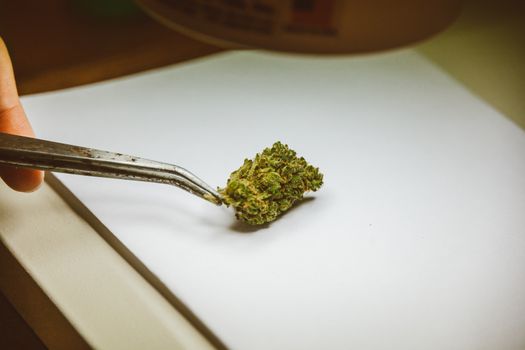 Photo: Jess Loiterton / Pexels
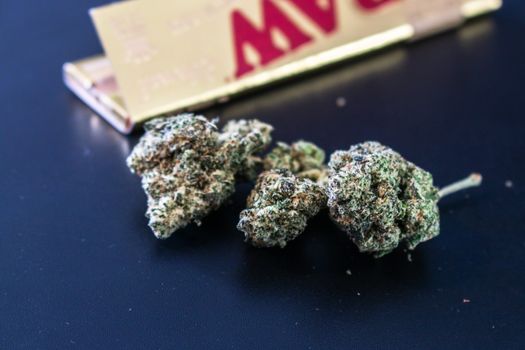 Photo: Terrance Barksdale / Pexels