Where to Buy Legal Cannabis Products: Your Definitive Guide
August 13, 2026 11 min read 2,170 words
Unlock safe and legal access to cannabis, understanding your options across the United States.
Find Your Dispensary Now
Navigating the Legal Landscape: State-by-State Cannabis Legality
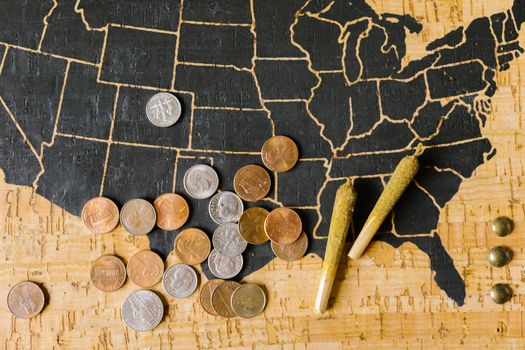 Photo: RDNE Stock project / Pexels
The question of 'where to buy legal cannabis products' is fundamentally tied to geography within the United States. Unlike a federally regulated market, cannabis legality is a patchwork of state-specific laws, creating a complex environment for consumers. As of early 2024, a significant portion of the US population resides in states where some form of cannabis is legal, but the specifics of purchase, possession, and consumption vary wildly. Understanding this landscape is your first and most crucial step.
For recreational adult-use cannabis, states like California, Colorado, Michigan, and New York have established robust markets where individuals aged 21 and over can purchase cannabis products from licensed dispensaries. These states have comprehensive regulatory frameworks covering cultivation, processing, testing, and retail sales, ensuring product safety and consumer protection. However, even within these states, local municipalities can impose additional restrictions, such as limiting the number of dispensaries or outright banning sales within their jurisdiction. It's vital to check local ordinances in addition to state law.
Medical cannabis programs are even more widespread, with 38 states and Washington D.C. having legalized cannabis for medicinal purposes. To purchase medical cannabis, patients typically need a qualifying condition diagnosed by a physician and a state-issued medical cannabis card or recommendation. The types of products available, possession limits, and even the conditions that qualify for a medical card can differ significantly from one medical state to another. For instance, some states might only allow low-THC CBD products for medical use, while others permit a full spectrum of cannabis products. This distinction is critical because even in a state with medical cannabis, recreational purchase might still be illegal.
Then there are states where cannabis remains entirely illegal, both recreationally and medically. In these areas, any purchase or possession of cannabis products, regardless of source, carries legal penalties. It's imperative not to attempt to purchase cannabis in these states, as doing so can lead to severe legal consequences. Furthermore, transporting cannabis across state lines, even between two states where it is legal, is a federal offense due to cannabis's Schedule I status under federal law. This means you cannot legally buy cannabis in a legal state and drive it to another, even if that state also has legal cannabis. This federal prohibition remains a significant hurdle in the broader normalization of cannabis commerce.
The dynamic nature of cannabis laws means that what is legal today might change tomorrow. States are continually reviewing and updating their regulations, with new states voting to legalize cannabis each election cycle. Therefore, staying informed about the current laws in your specific location is paramount. Reputable sources include state government websites (e.g., state cannabis control boards or departments of health), industry news outlets, and legal resources specializing in cannabis law. Always prioritize official information to ensure compliance and avoid legal pitfalls. For a deeper dive into the evolving legal landscape, explore
the history and future of cannabis legislation in the US.
Your Go-To Sources: Licensed Dispensaries and Delivery Services
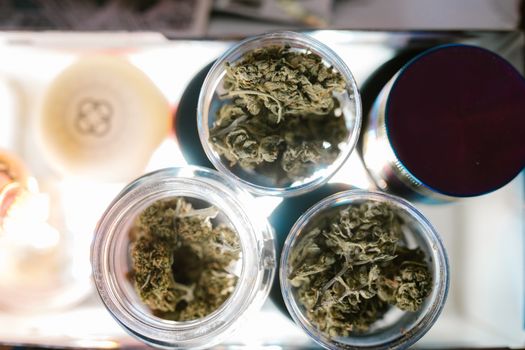 Photo: RDNE Stock project / Pexels
Once you've confirmed the legality of cannabis in your area, the next step is identifying legitimate points of sale. The most common and legally sanctioned avenues for where to buy legal cannabis products are licensed dispensaries and, in some regions, regulated delivery services. These establishments are the cornerstone of the legal cannabis market, designed to ensure product safety, quality, and compliance with state regulations.
**Licensed Dispensaries:** These are brick-and-mortar retail stores specifically authorized by state governments to sell cannabis products. They come in various forms: recreational dispensaries (also known as adult-use dispensaries) cater to individuals 21 and older with a valid ID, while medical dispensaries require a state-issued medical cannabis card. Many states allow for dual-licensed dispensaries that serve both markets. When you visit a dispensary, you can expect a professional environment with knowledgeable staff (often called 'budtenders') who can guide you through their product offerings. Products typically include cannabis flower, pre-rolls, edibles, concentrates (such as shatter, wax, and live resin), vapes, topicals, tinctures, and more. All products sold in licensed dispensaries undergo rigorous testing for potency, pesticides, heavy metals, and other contaminants, a crucial safeguard for consumer health that is absent in the illicit market. Dispensaries are also required to track sales to ensure compliance with possession limits and tax collection. To find a licensed dispensary, reliable resources include state cannabis regulatory websites, popular cannabis review platforms (like Leafly or Weedmaps), and local business directories. Always look for official licensing information displayed prominently in the store or on their website.
**Regulated Delivery Services:** In an increasing number of legal states, consumers can also have cannabis products delivered directly to their homes. These services operate under strict state regulations, often requiring age verification upon ordering and delivery, and sometimes limiting delivery hours or order sizes. Delivery services offer convenience, particularly for those with mobility issues or living far from a dispensary. They are typically an extension of licensed dispensaries or dedicated delivery-only licensees. Similar to in-store purchases, products from regulated delivery services are sourced from licensed cultivators and manufacturers, ensuring they meet the same stringent testing and quality standards. Before using a delivery service, confirm it is licensed and operating legally in your area. Unlicensed delivery services, often found through social media or word-ofmouth, carry significant risks, including untested products, potential legal repercussions, and unsafe transactions. Always prioritize services that clearly display their state license number and operate with transparency.
Both dispensaries and delivery services play a vital role in providing safe, legal, and tested cannabis products to consumers. They are the antithesis of the black market, offering transparency, accountability, and a controlled environment for purchasing. Choosing these regulated channels not only protects your health but also supports the legal cannabis industry, contributing to local economies and tax revenues that often fund public services.
Beyond the Dispensary: Online Purchases and CBD Products
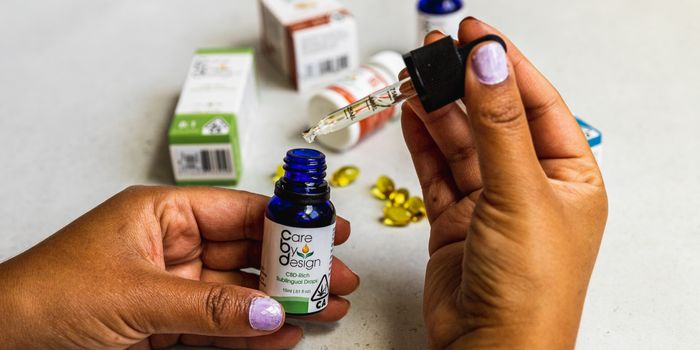 Photo: Elsa Olofsson / Pexels
While licensed dispensaries and delivery services are the primary legal channels for THC-containing cannabis products, the landscape of 'where to buy legal cannabis products' also includes online avenues, particularly for CBD, and some nuances for direct-to-consumer models in certain states. Understanding these distinctions is crucial to ensure you remain within legal boundaries and acquire legitimate products.
**Online CBD Purchases:** The 2018 Farm Bill federally legalized hemp-derived products containing less than 0.3% Delta-9 THC. This landmark legislation created a massive market for CBD products, which can be legally purchased online and shipped across state lines, even to states where recreational or medical cannabis remains illegal. This means you can find a vast array of CBD oils, edibles, topicals, and more from online retailers, often with Certificates of Analysis (COAs) verifying their cannabinoid content and absence of contaminants. When buying CBD online, look for reputable brands that provide third-party lab testing results. These COAs confirm the THC content is below the legal limit and that the product is free from harmful substances like pesticides, heavy metals, and residual solvents. The ease of online CBD purchase has made it widely accessible, but buyer beware: the market is less regulated than state-licensed THC markets, so due diligence in researching brands is essential. For more on the differences, consider exploring
the science behind CBD vs. THC.
**Online THC Purchases (with caveats):** For THC-containing products, direct online purchase and shipment across state lines is generally illegal due to federal prohibition. However, some legal states have enabled online ordering for in-store pickup or local delivery from licensed dispensaries. This means you can browse a dispensary's menu online, place an order, and then either pick it up at the store or have it delivered by a licensed service within that state. This is not the same as ordering from an e-commerce site that ships THC products via mail across state lines, which remains a federal crime. Be extremely wary of any website claiming to ship high-THC cannabis products directly to your doorstep if they are not a state-licensed delivery service operating within your legal state. These are often illicit operations that sell untested or fraudulent products and can expose you to legal risks.
**Direct-to-Consumer (DTC) Models (Limited):** In a few highly regulated states, there are very specific and limited direct-to-consumer models. For example, some states might allow medical patients to purchase directly from licensed cultivators if certain conditions are met, or have specific programs for home cultivation with excess product being sold back to dispensaries. These are rare exceptions and are typically not applicable to the general recreational consumer. Always verify such programs through official state channels, as they are highly regulated and not widely available.
In summary, while online CBD purchases are broadly legal and accessible, online THC purchases are restricted to licensed in-state delivery or pickup services. The golden rule remains: if you're buying THC, ensure the vendor is a state-licensed entity operating within a legal framework. This ensures product safety, legal compliance, and supports the regulated market.
Ensuring a Safe and Legal Purchase: Tips and Common Mistakes to Avoid
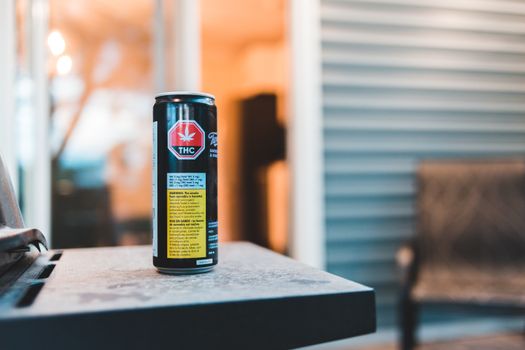 Photo: Erik Mclean / Pexels
Navigating the legal cannabis market can be straightforward if you adhere to best practices and are aware of common pitfalls. Ensuring a safe and legal purchase of cannabis products is paramount for your health, safety, and legal standing. Here are essential tips and mistakes to avoid:
**Tips for a Safe and Legal Purchase:**
* **Verify State and Local Laws:** Always double-check the current cannabis laws in your specific location before attempting a purchase. Laws are dynamic and can change.
* **Choose Licensed Retailers Only:** This is the most critical tip. Only purchase from state-licensed dispensaries or regulated delivery services. Look for state license numbers displayed prominently.
* **Bring Valid ID:** For recreational purchases, a government-issued ID proving you are 21 or older is required. For medical purchases, bring your medical cannabis card and a valid ID.
* **Understand Product Labeling:** Legally sold cannabis products come with detailed labels indicating THC/CBD content, terpenes, ingredients, and testing results. Familiarize yourself with these to make informed choices.
* **Start Low, Go Slow:** Especially if you're new to cannabis or trying a new product, begin with a low dose and wait to understand its effects before consuming more. Edibles, in particular, can have delayed and potent effects.
* **Ask Questions:** Don't hesitate to ask budtenders or dispensary staff questions about products, consumption methods, and effects. They are there to help.
* **Know Possession Limits:** Be aware of the legal possession limits in your state. Exceeding these limits can lead to legal trouble.
* **Consume Responsibly:** Avoid driving under the influence of cannabis. Understand that public consumption is often prohibited, even in legal states.
**Common Mistakes to Avoid:**
* **Buying from Unlicensed Sources:** This is the biggest mistake. Purchasing from the black market means untested products, potential contaminants, inaccurate potency, and legal risks.
* **Crossing State Lines with Cannabis:** Even between two legal states, transporting cannabis across state borders is a federal crime and should be avoided at all costs.
* **Ignoring Possession Limits:** Carrying more cannabis than legally allowed can result in fines or arrest.
* **Public Consumption:** Most states that have legalized cannabis still prohibit public consumption. Be mindful of where you use your products.
* **Underage Purchase Attempts:** Attempting to purchase cannabis if you are under the legal age (typically 21 for recreational) will result in denial of sale and potential legal consequences.
* **Assuming All Online Cannabis is Legal:** As discussed, only certain CBD products and in-state dispensary online orders (for pickup/delivery) are legal. Be wary of websites claiming to ship THC products across state lines.
* **Driving Under the Influence:** Driving while impaired by cannabis is illegal and dangerous, carrying severe penalties similar to drunk driving.
By following these guidelines, you can confidently and safely navigate where to buy legal cannabis products, ensuring a positive and compliant experience within the evolving legal framework.
