
Hemp vs. Marijuana: What's the Difference?
Navigate the confusing world of cannabis plants by understanding the fundamental distinctions between hemp and marijuana.
Understand the NuancesKey Takeaways
- ✓ Hemp and marijuana are both varieties of the Cannabis sativa plant.
- ✓ The primary legal distinction lies in their THC content: hemp contains less than 0.3% Delta-9 THC.
- ✓ Marijuana is cultivated for its high THC content and psychoactive effects.
- ✓ Hemp is grown for its fibers, seeds, and high CBD content, with no intoxicating effects.
How It Works
Both plants originate from the Cannabis sativa species, but centuries of selective breeding have led to distinct genetic profiles. This divergence is key to their differing chemical compositions and applications.
The most significant difference is the concentration of cannabinoids, particularly tetrahydrocannabinol (THC) and cannabidiol (CBD). This chemical makeup dictates their legal classification and effects.
The 2018 Farm Bill federally legalized hemp in the US by defining it as cannabis with less than 0.3% Delta-9 THC. Marijuana, exceeding this threshold, remains federally illegal, though state laws vary widely.
Hemp is a versatile crop used for industrial purposes, food, and CBD products. Marijuana is primarily consumed for its recreational and medicinal psychoactive properties.
Unpacking the Cannabis Sativa Family Tree: Hemp vs. Marijuana Defined
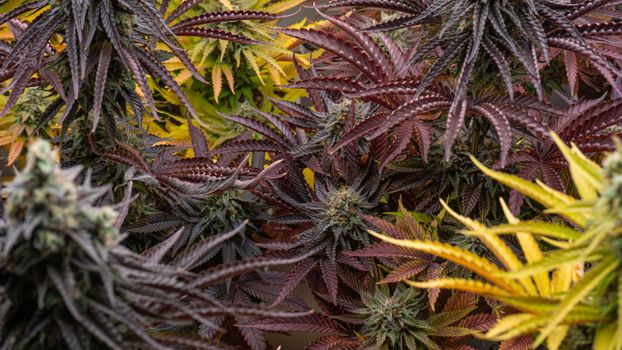 Photo: GB The Green Brand / Pexels
The Cannabinoid Conundrum: THC, CBD, and Their Effects
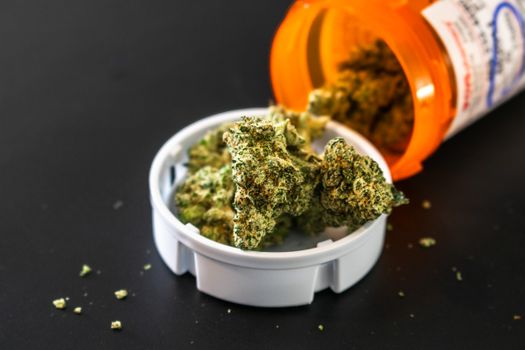 Photo: Terrance Barksdale / Pexels
Industrial Applications vs. Recreational/Medicinal Use: A Tale of Two Plants
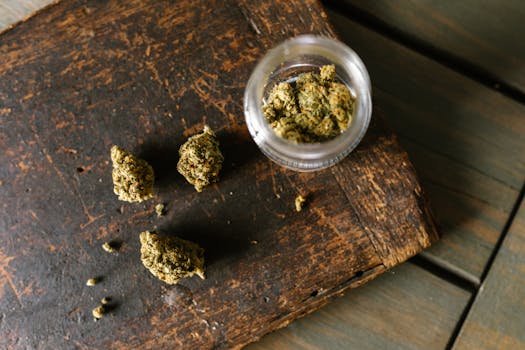 Photo: RDNE Stock project / Pexels
Navigating the Legal Landscape and Consumer Choices: Key Considerations
Comparison
| Feature | Hemp (Cannabis sativa L.) | Marijuana (Cannabis sativa L.) |
|---|---|---|
| Delta-9 THC Content | Less than 0.3% (federally legal) | Greater than 0.3% (federally illegal, state-legal in some) |
| Primary Cannabinoid | CBD (Cannabidiol) | THC (Tetrahydrocannabinol) |
| Psychoactive Effects | None | Yes, intoxicating 'high' |
| Main Uses | Industrial (fiber, seeds), CBD products | Recreational, medicinal (psychoactive effects) |
| Cultivation Focus | Tall stalks, seeds, biomass | Resinous flowers (buds) |
| Legal Status (Federal US) | Legal | Illegal (Schedule I Controlled Substance) |
What Readers Say
"This article finally cleared up the confusion I had about what is the difference between hemp and marijuana. I always thought they were just different names for the same thing, but the explanation of THC content makes so much sense now. I feel much more confident in understanding CBD product labels."
Sarah J. · Austin, TX"As someone in a legal cannabis state, the distinction between hemp and marijuana is crucial for our local laws and product sourcing. This guide is incredibly thorough and accurately portrays the legal and chemical differences that define each plant. Very helpful for both consumers and industry professionals."
Mark D. · Denver, CO"I was looking for CBD for anxiety and was worried about accidentally getting something with THC. This article on what is the difference between hemp and marijuana explained exactly why hemp-derived CBD won't get you high and what to look for on labels. My anxiety has significantly improved with my new hemp CBD routine."
Emily R. · Miami, FL"While I'm familiar with cannabis, the deep dive into the industrial uses of hemp was really eye-opening. It's more than just CBD; it's a versatile crop. The legal breakdown, though complex, was well-articulated and helped clarify some nuances I hadn't considered."
David L. · Portland, OR"This content is a lifesaver for anyone new to the cannabis space. The comparison table and key facts section made it easy to grasp what is the difference between hemp and marijuana quickly. I now feel empowered to make educated choices about which products are right for me."
Jessica M. · New York, NYFrequently Asked Questions
What is the primary legal distinction between hemp and marijuana?
The primary legal distinction in the U.S. is based on their Delta-9 THC content. Hemp is defined as Cannabis sativa with less than 0.3% Delta-9 THC on a dry weight basis, making it federally legal. Marijuana, conversely, contains more than 0.3% Delta-9 THC and remains federally illegal, despite various state-level legalizations.
Can I get high from hemp or hemp-derived products?
No, you cannot get 'high' from hemp or hemp-derived products that comply with the federal 0.3% Delta-9 THC limit. The trace amount of THC present is insufficient to produce any intoxicating effects, making them non-psychoactive.
How can I tell if a product is hemp or marijuana?
Legally compliant hemp products, especially CBD products, will typically state 'hemp-derived' and provide third-party lab results (Certificate of Analysis) verifying their Delta-9 THC content is below 0.3%. Marijuana products, available only in legal state dispensaries, will clearly list higher THC percentages and are intended for psychoactive effects.
Are hemp seeds and hemp oil the same as CBD oil?
No, hemp seeds and hemp seed oil are distinct from CBD oil. Hemp seed oil is pressed from the seeds and is rich in nutrients and fatty acids but contains negligible cannabinoids, including CBD. CBD oil, on the other hand, is extracted from the flowers, leaves, and stalks of the hemp plant and is concentrated for its CBD content.
Is CBD from hemp as effective as CBD from marijuana?
The chemical structure of the CBD molecule is the same whether it comes from hemp or marijuana. Therefore, CBD itself is equally effective regardless of its source. However, marijuana-derived CBD products often contain higher levels of THC and other cannabinoids, which some believe contributes to a stronger 'entourage effect' compared to hemp-derived products with very low THC.
Who should use hemp-derived products vs. marijuana products?
Individuals seeking potential therapeutic benefits without psychoactive effects should opt for hemp-derived products, particularly CBD. Those seeking intoxicating effects for recreational purposes or specific medical conditions requiring higher THC concentrations should consider marijuana products, where legal and appropriate.
Will using hemp products cause me to fail a drug test?
While unlikely, it is possible for full-spectrum hemp products (which contain trace amounts of THC under 0.3%) to cause a positive drug test, especially with prolonged or high-dose use, or with highly sensitive tests. If drug testing is a concern, consider broad-spectrum CBD products (THC removed) or CBD isolates (pure CBD).
What are the future trends for hemp and marijuana in the US?
The future likely involves continued state-level legalization and potentially federal reforms for marijuana, possibly leading to decriminalization or rescheduling. For hemp, we can expect further market diversification beyond CBD into industrial applications, sustainable materials, and novel cannabinoid research, with ongoing efforts to standardize regulations across states.
Armed with a clear understanding of what is the difference between hemp and marijuana, you can now confidently navigate the cannabis market. Make informed choices about products that align with your health goals and legal considerations. Explore the diverse world of cannabis responsibly and knowledgeably.