What is CBD Oil Used For? Unlocking Its Potential Benefits

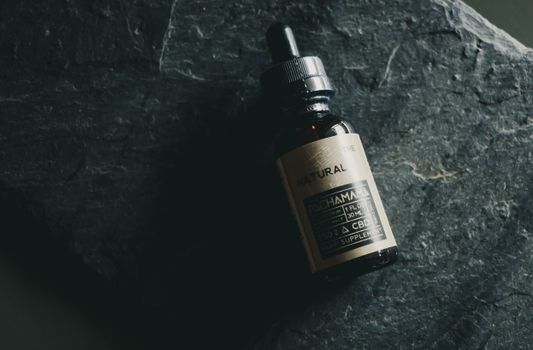
A CBD tincture bottle displayed on a textured dark stone background emphasizing natural wellness.Photo: Elsa Olofsson / Pexels

What is CBD Oil Used For? Unlocking Its Potential Benefits

Explore the diverse applications of CBD oil, from supporting well-being to addressing specific health concerns naturally.

Explore CBD Benefits

Key Takeaways

  • ✓ CBD is a non-intoxicating compound derived from the cannabis plant.
  • ✓ It interacts with the body's endocannabinoid system (ECS) to promote balance.
  • ✓ Common uses include managing pain, anxiety, sleep issues, and inflammation.
  • ✓ The legality and quality of CBD products vary, requiring careful selection.

How It Works

1
Introduction to the Endocannabinoid System (ECS)

The ECS is a complex cell-signaling system in the human body that plays a crucial role in regulating a wide range of functions and processes. It helps maintain homeostasis, or balance, across various physiological systems.

2
CBD's Interaction with the ECS

Unlike THC, CBD does not directly bind to the primary cannabinoid receptors (CB1 and CB2). Instead, it influences the ECS by interacting with other receptors and enzymes, enhancing the body's natural endocannabinoids.

3
Modulating Bodily Functions

Through its indirect interaction with the ECS, CBD can help modulate various bodily functions. This includes influencing pain perception, mood regulation, inflammatory responses, sleep cycles, and even appetite.

4
Achieving Therapeutic Effects

By promoting balance within the ECS and impacting multiple pathways, CBD contributes to a range of potential therapeutic effects. These effects are what drive the diverse applications and uses of CBD oil that many individuals seek out.

Understanding CBD Oil: Beyond the Hype
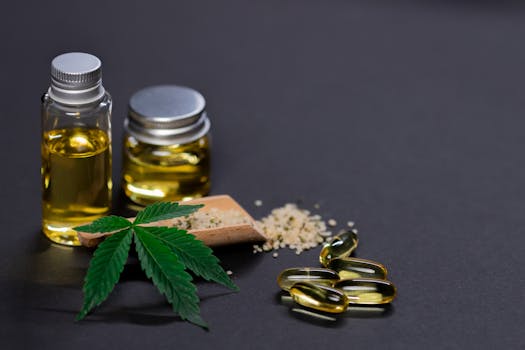
Assorted cannabis products including hemp seeds, oil, and capsules on dark background.Photo: Kindel Media / Pexels
In recent years, Cannabidiol, or CBD, has surged from a relatively obscure compound to a mainstream wellness staple, prompting countless individuals to ask: what is CBD oil used for? Derived primarily from the hemp plant, a variety of cannabis that contains less than 0.3% tetrahydrocannabinol (THC), CBD is one of over a hundred cannabinoids identified in the plant. Unlike its more famous cousin, THC, CBD is non-intoxicating, meaning it doesn't produce the 'high' associated with marijuana. This critical distinction has allowed CBD to gain widespread acceptance and legality in many regions, paving the way for extensive research into its potential therapeutic properties. The interest in CBD stems from its interaction with the body's sophisticated endocannabinoid system (ECS). The ECS is a complex network of receptors, endocannabinoids, and enzymes found throughout the body, playing a pivotal role in regulating a vast array of physiological processes. These include mood, sleep, appetite, pain sensation, immune response, and memory. When the ECS is out of balance, these functions can be disrupted. CBD is believed to influence the ECS indirectly, rather than binding directly to cannabinoid receptors like THC does. Instead, it may enhance the effects of the body's naturally produced endocannabinoids, or interact with other non-cannabinoid receptors and ion channels, contributing to its diverse effects. This nuanced interaction is what makes CBD a fascinating compound with a broad spectrum of potential applications. The journey of CBD from plant to bottle involves several key steps. First, industrial hemp plants are cultivated, specifically bred for their high CBD content and low THC levels. Once harvested, the CBD is extracted from the plant material using various methods, such as CO2 extraction, ethanol extraction, or solvent extraction. CO2 extraction is often preferred for its ability to produce a clean, pure extract without harsh chemical residues. The raw extract then undergoes further processing, which can include decarboxylation (heating to activate cannabinoids) and purification to remove unwanted compounds like chlorophyll, waxes, and residual solvents. Depending on the desired final product, the CBD extract might be refined into a full-spectrum, broad-spectrum, or isolate form. Full-spectrum CBD contains all the cannabinoids, terpenes, and flavonoids naturally found in the hemp plant, including trace amounts of THC (under 0.3%). Broad-spectrum CBD contains multiple cannabinoids and terpenes but no detectable THC. CBD isolate is pure CBD, with all other plant compounds removed. These different forms offer varying benefits due to the 'entourage effect,' a theory suggesting that cannabinoids and other plant compounds work synergistically to enhance each other's therapeutic effects. Choosing the right type of CBD is often dependent on individual needs and preferences, as well as specific legal restrictions concerning THC content. The quality of CBD oil is paramount, influencing both its safety and efficacy. Reputable brands prioritize third-party lab testing to verify the product's cannabinoid profile, potency, and to ensure it is free from contaminants like pesticides, heavy metals, and mold. This transparency is crucial for consumers seeking reliable and effective CBD products. As research continues to unfold, the understanding of CBD's mechanisms and potential uses expands, solidifying its place in the realm of natural wellness solutions. The foundational knowledge of what CBD is and how it generally interacts with the body is essential for anyone considering incorporating it into their health regimen.

Addressing Discomfort and Promoting Relaxation

A man is seated in a cozy room, enjoying a relaxed moment smoking indoors.Photo: RDNE Stock project / Pexels
One of the most widely discussed and researched applications of CBD oil revolves around its potential to address discomfort and promote relaxation, leading many to explore what is CBD oil used for in these contexts. Chronic pain, whether from inflammatory conditions like arthritis, neuropathic pain, or general aches, significantly impacts quality of life for millions. Traditional pain management often comes with a host of side effects, prompting a search for alternative solutions. CBD's interaction with the endocannabinoid system (ECS) is believed to play a key role in its analgesic properties. The ECS helps regulate pain perception, and by modulating its activity, CBD may influence how the body processes pain signals. Studies, including preclinical research and some human trials, suggest that CBD can reduce inflammation, a common underlying cause of many types of pain. By curbing inflammatory responses, CBD might indirectly alleviate pain. Furthermore, CBD has been shown to interact with other receptors involved in pain, such as TRPV1 receptors, which are known to mediate pain perception, inflammation, and body temperature. This multi-faceted approach to pain modulation makes CBD an intriguing option for those seeking relief. Beyond physical discomfort, the mental burden of stress and anxiety is another prevalent issue that drives individuals to consider CBD. Modern life is replete with stressors, and while some stress is normal, chronic anxiety can be debilitating. The anxiolytic (anxiety-reducing) properties of CBD are a major area of interest. Research indicates that CBD may affect serotonin receptors in the brain, particularly the 5-HT1A receptor, which plays a crucial role in mood and anxiety regulation. Low serotonin levels are often linked to anxiety and depression, and while CBD doesn't directly boost serotonin, it may alter how the brain responds to the serotonin already present. Several studies have explored CBD's effects on anxiety disorders, including generalized anxiety disorder (GAD), social anxiety disorder (SAD), and post-traumatic stress disorder (PTSD). For instance, a 2011 study published in the journal Neuropsychopharmacology found that CBD significantly reduced anxiety and cognitive impairment in patients with SAD during a simulated public speaking test. Participants who received CBD experienced less anxiety, cognitive impairment, and discomfort in their speech performance, compared to those who received a placebo. Similarly, research has shown promise for CBD in reducing anxiety-induced insomnia and improving sleep quality, which is often intertwined with anxiety. The calming effects of CBD can help individuals unwind, making it easier to fall asleep and stay asleep. This is particularly beneficial for those whose anxiety manifests as racing thoughts at bedtime. The relaxation benefits extend to muscle tension as well. Many people experience physical tension as a direct result of stress, leading to headaches, neck pain, and general discomfort. The anti-inflammatory and muscle-relaxing properties attributed to CBD may help alleviate these physical manifestations of stress. It's important to note that while the evidence is promising, much of the research is still in its early stages, with more large-scale human clinical trials needed to fully establish CBD's efficacy and optimal dosing for pain and anxiety. Nevertheless, the anecdotal evidence and preliminary scientific findings have made CBD oil a popular choice for those looking to naturally manage discomfort and foster a greater sense of calm and well-being.

Diverse Applications: From Sleep to Skin Health

A serene scene of a woman with afro hair peacefully sleeping in a cozy bedroom.Photo: KATRIN BOLOVTSOVA / Pexels
The versatility of CBD oil extends far beyond pain and anxiety management, encompassing a wide array of potential applications that highlight the breadth of what is CBD oil used for. Sleep disorders, affecting millions globally, are a significant area where CBD has garnered attention. Insomnia, characterized by difficulty falling or staying asleep, often stems from underlying issues such as anxiety, chronic pain, or neurological conditions. While CBD is not a sedative in the traditional sense, its ability to address these root causes can indirectly promote better sleep. By calming the nervous system, reducing anxiety, and alleviating pain, CBD may create a more conducive environment for restorative sleep. Some research suggests that CBD can influence the sleep-wake cycle, potentially by interacting with receptors involved in regulating circadian rhythms. A study published in The Permanente Journal in 2019 examined the effects of CBD on sleep and anxiety in a clinical population. It found that 66.7% of participants experienced improved sleep scores within the first month, although results fluctuated over time. While more robust research is needed, the anecdotal reports from users consistently point to improved sleep quality and duration. Skin health is another intriguing area for CBD application. The skin, being the body's largest organ, possesses its own endocannabinoid system, which plays a role in regulating functions like cell proliferation, differentiation, and immune responses. This makes topical CBD products, such as creams, balms, and salves, particularly effective for localized issues. CBD's anti-inflammatory and antioxidant properties are key to its potential benefits for the skin. For conditions like acne, which is an inflammatory condition, CBD may help by reducing sebum production and calming inflammation in the sebaceous glands. Research published in the Journal of Clinical Investigation found that CBD could be a potential therapeutic agent for treating acne vulgaris. Furthermore, CBD's anti-inflammatory effects can be beneficial for conditions like eczema and psoriasis, which involve chronic skin inflammation. It may help reduce redness, itching, and irritation, providing relief to affected areas. Beyond specific conditions, CBD's antioxidant properties can help protect the skin from environmental damage and promote overall skin health, contributing to a more radiant complexion. Neurological disorders represent another frontier for CBD research. Perhaps the most well-known success story is Epidiolex, an FDA-approved CBD-based medication for treating rare and severe forms of epilepsy, specifically Lennox-Gastaut syndrome and Dravet syndrome. This approval underscores CBD's proven efficacy in managing seizures in certain patient populations. Beyond epilepsy, preliminary research is exploring CBD's potential in other neurological conditions such as Parkinson's disease, multiple sclerosis (MS), and Alzheimer's disease. For instance, CBD's anti-inflammatory and neuroprotective properties are being investigated for their role in protecting brain cells and reducing symptoms like muscle spasticity in MS or tremors in Parkinson's. While these studies are still in early stages and far from conclusive, they highlight the significant therapeutic potential of cannabinoids beyond their psychoactive effects. For general wellness, many individuals incorporate CBD into their daily routine as a preventative measure or to support overall bodily balance. This can include boosting mood, enhancing focus, and supporting immune function. The broad interaction of CBD with the ECS, which is involved in maintaining homeostasis across nearly all physiological systems, suggests its role in promoting general well-being. People often report feeling a subtle sense of calm and balance, which can contribute to better coping mechanisms for daily stressors and an overall improved quality of life. The continuous expansion of research into these diverse applications illustrates that cannabis-derived compounds like CBD are far more complex and beneficial than once understood, opening doors to innovative health solutions.

Choosing and Using CBD Oil Wisely: Tips and Considerations
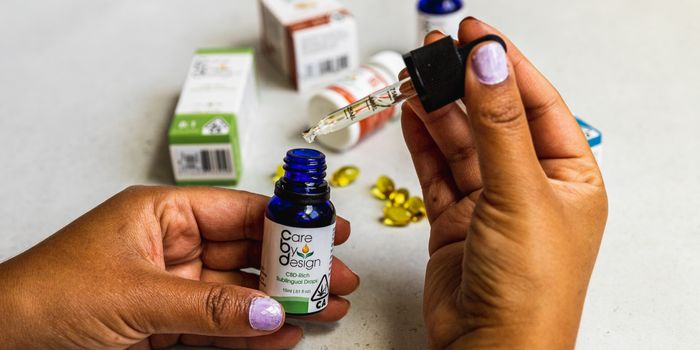
A detailed image showing hands using a dropper to handle CBD oil with packaging in the background.Photo: Elsa Olofsson / Pexels
Navigating the vast market of CBD products can be daunting, but making informed choices is crucial to experiencing the true benefits of what is CBD oil used for. The first and perhaps most critical tip is to prioritize product quality and transparency. Always opt for brands that provide third-party lab testing results (Certificate of Analysis or COA) for every product batch. These reports verify the CBD content, confirm the absence of THC (if applicable), and ensure the product is free from harmful contaminants like pesticides, heavy metals, solvents, and mold. Without a COA, you cannot be certain of what you're consuming. **Key Considerations When Choosing CBD Oil:** * **Type of CBD:** Decide between Full-Spectrum (contains all cannabinoids, including trace THC), Broad-Spectrum (multiple cannabinoids, no THC), or CBD Isolate (pure CBD). Full-spectrum is often preferred for the 'entourage effect'. * **Extraction Method:** CO2 extraction is generally considered the cleanest and safest method. * **Hemp Source:** Look for products made from organically grown hemp in the US, as these are typically subject to stricter agricultural regulations. * **Potency:** CBD oil comes in various concentrations. Start with a lower potency and gradually increase until you find what works for you. * **Ingredients:** Check for additional ingredients. Avoid products with artificial flavors, colors, or unnecessary additives. Carrier oils like MCT oil are common and generally safe. * **Reputation:** Research the brand. Read reviews and look for companies with a strong commitment to quality and customer service. Once you have a high-quality product, proper usage is key. CBD oil is typically taken sublingually (under the tongue) for faster absorption, but it can also be added to food or beverages. Dosage is highly individualized and depends on factors like body weight, metabolism, the condition being addressed, and the product's potency. There is no universally recommended dose, so the 'start low and go slow' approach is best. Begin with a small dose (e.g., 5-10mg) once or twice a day and slowly increase every few days until you achieve the desired effects. Keep a journal to track your dosage and symptoms to identify what works best for you. **Common Mistakes to Avoid:** * **Impatience:** CBD's effects are often subtle and may take time to build up in your system. Don't expect immediate dramatic results. * **Inconsistent Use:** For best results, incorporate CBD into a consistent daily routine. * **Ignoring Interactions:** CBD can interact with certain medications, particularly blood thinners and those with a 'grapefruit warning'. Always consult your doctor before starting CBD, especially if you are on other medications. * **Overdosing:** While CBD is generally well-tolerated, excessive doses can lead to mild side effects like drowsiness, dry mouth, or diarrhea. Stick to the 'start low, go slow' mantra. * **Purchasing from Unverified Sources:** Avoid buying CBD from gas stations or unverified online retailers. The risk of purchasing a mislabeled or contaminated product is high. Finally, remember that CBD is a supplement, not a cure-all. It should complement, not replace, professional medical advice and treatment. A holistic approach to health, including a balanced diet, regular exercise, and adequate sleep, will always yield the best results in conjunction with any natural remedies you choose to explore.

Comparison

FeatureFull-Spectrum CBD OilBroad-Spectrum CBD OilCBD Isolate
Cannabinoid ProfileAll cannabinoids (CBD, THC <0.3%, CBG, CBN, etc.)Multiple cannabinoids (CBD, CBG, CBN, etc.)Pure CBD
THC ContentTrace amounts (<0.3%)Non-detectable (0%)Non-detectable (0%)
Entourage Effect✓ (Strongest)✓ (Moderate)✗ (None)
Drug Test RiskPossible (low risk)Very low riskExtremely low risk
Use CasesMaximized benefits, general wellnessBenefits without THC, sensitive individualsHigh doses of pure CBD, THC-sensitive

What Our Readers Say

5 ★★★★★

"I started using CBD oil for chronic back pain, and it has been a game-changer. I can finally get through my day without constant discomfort, and my sleep has significantly improved too. It's amazing what is CBD oil used for, truly helpful."

5 ★★★★★

"My anxiety used to be debilitating, especially before presentations. Since incorporating CBD oil, I feel a noticeable sense of calm and clarity. It helps me focus and manage my stress much better."

5 ★★★★★

"After years of struggling with insomnia, CBD oil has given me my nights back. I fall asleep faster and wake up feeling refreshed. This has had a huge positive impact on my overall energy and mood."

4 ★★★★☆

"I use CBD oil for post-workout recovery and muscle soreness. While it doesn't eliminate all pain, it definitely reduces inflammation and helps me bounce back quicker. It's a great addition to my fitness routine, though sometimes I need a higher dose."

5 ★★★★★

"I was skeptical about what is CBD oil used for, but my dermatologist recommended a topical CBD cream for my eczema. The redness and itching have significantly decreased, and my skin feels much calmer. It's been incredibly effective for localized relief."

Frequently Asked Questions

What is the primary benefit of using CBD oil?
The primary benefit many users report is a general sense of balance and well-being, often stemming from its potential to alleviate symptoms like chronic pain, anxiety, and sleep disturbances. CBD interacts with the body's endocannabinoid system to help regulate various physiological functions, promoting homeostasis.
Is CBD oil legal in the US?
Yes, CBD oil derived from hemp (containing less than 0.3% THC) is federally legal in the US under the 2018 Farm Bill. However, state laws can vary, so it's always advisable to check local regulations before purchasing or using CBD products.
How should I take CBD oil for best results?
For best results, many users take CBD oil sublingually (under the tongue). Hold the oil there for 60-90 seconds before swallowing to allow for quicker absorption into the bloodstream. You can also mix it into food or drinks, though absorption may be slower.
How much does CBD oil cost, and is it worth the investment?
The cost of CBD oil varies widely based on brand, potency, and type, typically ranging from $30 to $150 per bottle. While it can be an investment, many users find it worthwhile for the relief and wellness support it provides, especially when compared to traditional remedies with more side effects.
How does CBD oil compare to THC for therapeutic effects?
While both CBD and THC are cannabinoids with therapeutic potential, CBD is non-intoxicating and primarily works by modulating the endocannabinoid system indirectly, offering benefits like anti-inflammation and anxiety reduction without the 'high.' THC is psychoactive and primarily binds to CB1 receptors, leading to its intoxicating effects and also offering pain relief and appetite stimulation.
Who should consider using CBD oil?
Individuals seeking natural support for issues like chronic pain, anxiety, stress, insomnia, or inflammatory conditions may consider using CBD oil. It's also popular for general wellness and maintaining balance. However, always consult with a healthcare professional before starting any new supplement, especially if you have existing health conditions or are taking medications.
Are there any side effects or safety concerns with CBD oil?
CBD is generally well-tolerated, but some users may experience mild side effects such as dry mouth, drowsiness, diarrhea, or changes in appetite. It can also interact with certain medications, particularly blood thinners. It's crucial to consult a doctor before use, especially if you are on other prescriptions, and to start with a low dose to assess tolerance.
What is the future outlook for CBD oil's uses?
The future outlook for CBD oil is promising, with ongoing research continuing to uncover new potential applications and refine understanding of its mechanisms. We can expect more FDA-approved CBD-based medications, clearer regulations, and a deeper exploration into its role in neurological health, dermatology, and general preventative care, leading to more targeted and effective products.

Unlock the potential of CBD oil for yourself. Explore trusted, third-party tested products and discover how this remarkable compound can support your journey towards greater well-being. Consult with your healthcare provider to see if CBD oil is the right choice for your individual needs.

Topics: what is CBD oil used forCBD oil benefitscannabidiol usesCBD for painCBD for anxiety