What Is CBD Oil Used For? Unlocking Its Potential Benefits

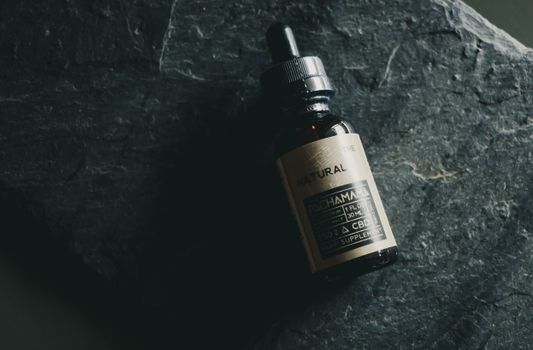
A CBD tincture bottle displayed on a textured dark stone background emphasizing natural wellness.Photo: Elsa Olofsson / Pexels

What Is CBD Oil Used For? Unlocking Its Potential Benefits

Explore the comprehensive applications of CBD oil and how it can potentially enhance your well-being.

Discover Your Wellness Path

Key Takeaways

  • ✓ CBD is non-intoxicating and derived from the cannabis plant.
  • ✓ It interacts with the body's endocannabinoid system (ECS).
  • ✓ Research suggests potential benefits for pain, anxiety, and sleep.
  • ✓ Legality varies by state, but federal law permits hemp-derived CBD.

How It Works

1
Introduction to the Endocannabinoid System (ECS)

The human body possesses a complex regulatory system called the ECS, which plays a crucial role in maintaining homeostasis. It influences various physiological processes, including mood, sleep, pain sensation, and immune response.

2
CBD's Interaction with the ECS

Unlike THC, CBD does not directly bind to the ECS's primary receptors (CB1 and CB2) in a strong way. Instead, it is believed to influence the ECS indirectly, by enhancing the body's natural endocannabinoids and interacting with other receptor systems.

3
Modulating Neurotransmitters and Other Receptors

CBD can modulate the activity of various non-cannabinoid receptors and ion channels, such as serotonin receptors, which are involved in mood and anxiety. It also affects receptors related to pain perception and inflammation, contributing to its diverse therapeutic profile.

4
Promoting Homeostasis and Balance

Through these varied interactions, CBD helps the body achieve and maintain a state of balance, or homeostasis. This systemic influence is why CBD is being investigated for such a wide array of potential health benefits, from neurological conditions to inflammatory responses.

Understanding Cannabidiol: What Exactly Is CBD Oil?
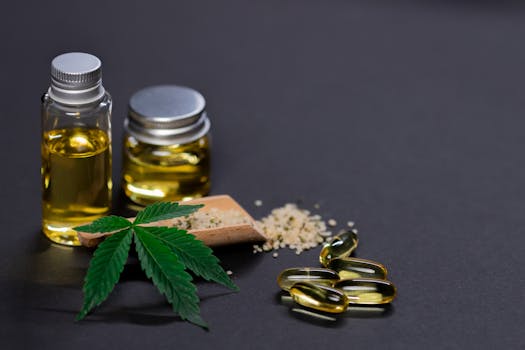
Assorted cannabis products including hemp seeds, oil, and capsules on dark background.Photo: Kindel Media / Pexels
To truly grasp what is CBD oil used for, it's essential to first understand what CBD oil actually is. CBD, short for cannabidiol, is one of over 100 naturally occurring compounds found in the cannabis plant. Unlike its more famous cousin, tetrahydrocannabinol (THC), CBD is non-intoxicating, meaning it won't produce the 'high' associated with marijuana. This distinction is crucial for many users who seek therapeutic benefits without altered mental states. CBD oil is typically extracted from industrial hemp, a variety of the cannabis sativa plant that contains very low levels of THC (less than 0.3% federally in the US). The extraction process involves separating CBD and other beneficial compounds, like terpenes and other cannabinoids, from the plant material. The resulting extract is then diluted with a carrier oil, such as coconut oil or hemp seed oil, to create the final CBD oil product. The legality of CBD has evolved significantly in recent years. The 2018 Farm Bill federally legalized hemp-derived CBD products in the United States, provided they contain less than 0.3% THC. However, state laws can vary, so it's always advisable to check local regulations. The interest in CBD has surged due to anecdotal reports and preliminary research suggesting a wide range of potential health benefits, prompting scientific communities worldwide to delve deeper into its mechanisms and applications. This growing body of evidence is helping to demystify cannabis and its compounds, shifting public perception from recreational use to medicinal potential. As consumers become more informed, the demand for high-quality, transparently sourced CBD products continues to grow, driving innovation in extraction techniques and product formulations. Understanding these fundamental aspects sets the stage for exploring the diverse applications and potential therapeutic uses of CBD oil, which are at the heart of many individuals' wellness journeys. It's not just a trend; it's a profound shift in how we approach natural health solutions, with CBD leading the charge in many respects. The non-psychoactive nature makes it an appealing option for those who are wary of the effects of THC but still wish to explore the potential therapeutic properties of cannabinoids. This fundamental understanding is key to appreciating the breadth of what is CBD oil used for across various health domains. The purity and potency of CBD oil can vary significantly between brands, making it important for consumers to research and choose reputable manufacturers who provide third-party lab testing results. These results verify the CBD content, confirm the absence of harmful contaminants, and ensure the THC levels are within legal limits. This due diligence is paramount for safety and efficacy, empowering users to make informed decisions about their health. Ultimately, the burgeoning interest in CBD is driven by its potential to offer a natural alternative or complement to conventional treatments, appealing to a broad demographic seeking holistic wellness solutions.

Primary Applications: What Is CBD Oil Used For in Wellness?

A man sitting indoors holding a cannabis joint, relaxed and thoughtful.Photo: RDNE Stock project / Pexels
The primary applications for what is CBD oil used for span a broad spectrum of wellness concerns, with scientific research and anecdotal evidence pointing to several key areas. One of the most widely discussed uses is for managing chronic pain and inflammation. CBD is believed to interact with receptors in the endocannabinoid system (ECS) and other pain-related pathways, potentially reducing pain perception and inflammatory responses. This makes it a popular choice for individuals suffering from conditions like arthritis, neuropathic pain, and muscle soreness. While more robust clinical trials are needed, many users report significant relief from their symptoms, often finding it a gentler alternative to traditional pain medications. Another significant application of CBD oil is in addressing anxiety and stress. In today's fast-paced world, mental well-being is a growing concern, and CBD has shown promise as a natural anxiolytic. Studies suggest that CBD may influence serotonin receptors in the brain, which play a crucial role in regulating mood and social behavior. Users often describe a calming effect, a reduction in anxious thoughts, and an improved ability to cope with stressful situations. This has led to its adoption by individuals looking to alleviate general anxiety, social anxiety disorder, and even post-traumatic stress disorder (PTSD), though it's important to consult with a healthcare professional for severe conditions. Sleep improvement is also a major reason why people turn to CBD oil. Many individuals struggle with insomnia or poor sleep quality, often exacerbated by pain or anxiety. By potentially reducing these underlying issues, CBD can indirectly promote better sleep. It may also help regulate sleep cycles by interacting with the body's natural sleep-wake rhythm. Users often report falling asleep faster, experiencing deeper sleep, and waking up feeling more refreshed. This holistic approach to sleep, by addressing contributing factors rather than just inducing sedation, distinguishes CBD from many conventional sleep aids. Furthermore, CBD oil is being explored for its neuroprotective properties. Preliminary research indicates that CBD may have antioxidant and anti-inflammatory effects that could benefit brain health, potentially protecting against neurodegenerative diseases like Alzheimer's and Parkinson's. While these applications are still in early research stages, they highlight the vast potential of CBD beyond its more immediate and widely recognized uses. The versatility of CBD in addressing such diverse health challenges underscores why it has garnered so much attention in the wellness community, offering a natural avenue for relief and improved quality of life for countless individuals seeking alternative or supplementary therapeutic options.

Emerging Research and Specialized Uses of CBD Oil
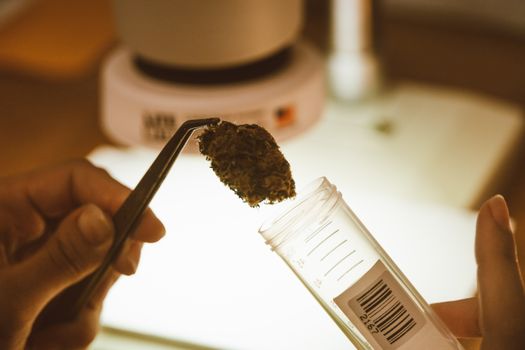
Detailed view of cannabis being prepared in a lab, focusing on analysis.Photo: Jess Loiterton / Pexels
Beyond the well-known applications, emerging research continues to uncover specialized and novel uses for what is CBD oil used for, pushing the boundaries of its therapeutic potential. One significant area of study is CBD's role in epilepsy and seizure disorders. Epidiolex, a pharmaceutical-grade CBD oral solution, has been approved by the FDA for treating certain rare and severe forms of epilepsy, such as Lennox-Gastaut syndrome and Dravet syndrome. This landmark approval provides concrete scientific validation for CBD's anticonvulsant properties, offering hope to patients for whom traditional treatments have been ineffective. This specific use case demonstrates CBD's profound impact on neurological conditions, paving the way for further investigation into other seizure disorders. Another promising avenue is CBD's potential in managing symptoms associated with cancer and cancer treatment. While CBD is not a cure for cancer, studies are exploring its ability to alleviate side effects like nausea, vomiting, and pain often experienced during chemotherapy. Some preclinical research also investigates CBD's potential to inhibit tumor growth and induce cancer cell death, although these findings are largely from laboratory settings and human trials are still needed to confirm these effects. Nevertheless, the possibility of improving the quality of life for cancer patients through natural means is a compelling reason for continued research and patient interest. Skin health and dermatological conditions also represent an exciting area for CBD application. Due to its anti-inflammatory and antioxidant properties, CBD oil is being incorporated into topical products for conditions like acne, eczema, and psoriasis. It is thought to help reduce inflammation, regulate sebum production, and soothe irritated skin, offering a natural solution for those seeking relief from chronic skin issues. The localized application allows for targeted relief without systemic effects, making it an appealing option for many. This expands the answer to what is CBD oil used for beyond internal consumption to external, topical wellness solutions. Furthermore, the role of CBD in gut health and digestive disorders is gaining attention. The ECS is present throughout the gastrointestinal tract, influencing motility, inflammation, and pain sensation. Early research suggests CBD may help alleviate symptoms of inflammatory bowel diseases (IBD) like Crohn's disease and ulcerative colitis by reducing inflammation and pain. While not a primary treatment, it could serve as a complementary therapy to improve digestive comfort and overall gut health. The comprehensive interaction of CBD with various bodily systems underscores its potential as a versatile therapeutic agent, continually expanding our understanding of its benefits. The ongoing research into cannabis and its compounds like CBD is rapidly transforming medical perspectives and offering new avenues for health and healing. These specialized applications highlight the intricate ways in which CBD interacts with human physiology, suggesting a future where it plays an even more significant role in mainstream medicine and personalized wellness plans.

Tips for Using CBD Oil Safely and Effectively
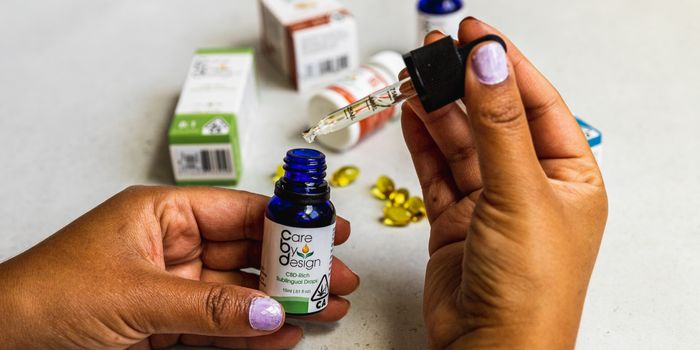
A detailed image showing hands using a dropper to handle CBD oil with packaging in the background.Photo: Elsa Olofsson / Pexels
When considering what is CBD oil used for, understanding how to use it safely and effectively is paramount. The market is saturated with CBD products, and navigating it can be challenging. Here are some essential tips to ensure you have a positive and beneficial experience: * **Start Low and Go Slow:** This is perhaps the most crucial advice for any new CBD user. Begin with a very low dose (e.g., 5-10 mg) and gradually increase it over several days or weeks until you find the optimal dosage that provides the desired effects. Everyone's body reacts differently, and what works for one person may not work for another. Patience is key to discovering your personalized effective dose. * **Choose Reputable Brands with Third-Party Lab Testing:** The CBD market is largely unregulated, making quality control a major concern. Always purchase CBD oil from brands that provide comprehensive third-party lab reports (Certificates of Analysis or COAs). These reports should confirm the CBD content, verify that THC levels are below 0.3%, and ensure the product is free from contaminants like pesticides, heavy metals, and mold. Transparency is a hallmark of a trustworthy brand. * **Understand Different CBD Types:** * **Full-Spectrum CBD:** Contains all cannabinoids, terpenes, and flavonoids found in the hemp plant, including trace amounts of THC (less than 0.3%). Many believe in the 'entourage effect,' where these compounds work synergistically to enhance therapeutic benefits. * **Broad-Spectrum CBD:** Contains multiple cannabinoids and terpenes, but with the THC completely removed. It offers the benefits of the entourage effect without any THC. * **CBD Isolate:** Pure CBD, with all other cannabinoids and plant compounds removed. It's flavorless and odorless, making it suitable for those who want to avoid THC entirely or are sensitive to other compounds. * **Consider the Method of Consumption:** The way you consume CBD oil impacts its onset and duration of effects: * **Tinctures/Oils (sublingual):** Placed under the tongue, absorbed into the bloodstream relatively quickly (15-45 minutes), effects last 4-6 hours. * **Edibles (gummies, capsules):** Slower onset (1-2 hours) as it must pass through the digestive system, but effects can last longer (6-8 hours). * **Topicals (creams, balms):** Applied directly to the skin for localized relief, minimal systemic absorption. * **Vaping:** Fastest onset (minutes) but effects are shorter-lived. Requires specific vape products designed for CBD oil and carries potential respiratory risks. * **Consult Your Healthcare Provider:** Before incorporating CBD oil into your routine, especially if you are taking other medications or have underlying health conditions, consult with a doctor. CBD can interact with certain medications, particularly blood thinners and those metabolized by the cytochrome P450 enzyme system. A medical professional can offer personalized advice and monitor for potential interactions. * **Monitor for Side Effects:** While generally well-tolerated, some individuals may experience mild side effects such as dry mouth, drowsiness, diarrhea, or changes in appetite. If side effects occur, reduce your dosage or discontinue use and consult a healthcare professional. By following these guidelines, you can maximize the potential benefits of CBD oil while minimizing risks, ensuring a responsible and effective approach to exploring what is CBD oil used for in your personal wellness journey.

Comparison

FeatureFull-Spectrum CBD OilBroad-Spectrum CBD OilCBD Isolate
THC ContentTrace (<0.3%)Non-detectable (0%)Non-detectable (0%)
Other CannabinoidsYes (CBG, CBN, etc.)Yes (CBG, CBN, etc.)No
Terpenes & FlavonoidsYesYesNo
Entourage EffectStrongestModerateNone
Drug Test RiskLow, but possibleExtremely LowNone
Taste/SmellEarthy/Hemp-likeMild Hemp-likeNeutral

What Our Readers Say

5 ★★★★★

"I started using CBD oil for chronic back pain, and it's been a game-changer. I can finally get through my day without constant discomfort, which was exactly what is CBD oil used for in my case."

5 ★★★★★

"My anxiety used to be debilitating, especially at night. A few drops of CBD oil before bed helps me relax and get restful sleep. It's amazing what is CBD oil used for to calm the mind."

5 ★★★★★

"After struggling with insomnia for years, I tried CBD oil on a friend's recommendation. Now I fall asleep faster and stay asleep longer, waking up refreshed. It delivered on its promise for better sleep."

4 ★★★★☆

"CBD oil helps with my post-workout muscle soreness, though it's not a complete miracle cure for everything. It definitely reduces inflammation and aids recovery, which is a key use for me."

5 ★★★★★

"My dog suffers from separation anxiety, and a small dose of pet-specific CBD oil has made a noticeable difference. She's much calmer when I leave now, proving what is CBD oil used for even for our furry friends."

Frequently Asked Questions

What is the most common reason people use CBD oil?
The most common reasons people report using CBD oil are for managing chronic pain, reducing anxiety and stress, and improving sleep quality. Many individuals seek a natural alternative or complement to traditional remedies for these pervasive health concerns. Its perceived versatility makes it appealing to a broad demographic.
Will CBD oil make me feel 'high'?
No, CBD oil derived from hemp (containing less than 0.3% THC) will not make you feel 'high.' THC is the cannabinoid responsible for the intoxicating effects of cannabis. CBD is non-psychoactive and is sought after for its therapeutic potential without altering mental states.
How do I determine the correct dosage of CBD oil?
Determining the correct dosage of CBD oil is highly individual. It's recommended to 'start low and go slow,' beginning with a small dose (e.g., 5-10 mg) once or twice daily. Gradually increase the dosage every few days until you achieve the desired effects while monitoring for any side effects. Consulting a healthcare professional for personalized guidance is always best.
Is CBD oil expensive, and is it worth the cost?
The cost of CBD oil varies widely depending on brand, potency, type (full-spectrum, broad-spectrum, isolate), and product form. While it can be an investment, many users find it worth the cost due to the potential relief it provides for various conditions, which can improve their quality of life. Consider it an investment in your well-being.
How does CBD oil compare to pharmaceutical medications for pain or anxiety?
CBD oil is often seen as a natural alternative or complementary therapy to pharmaceutical medications. Unlike some pharmaceuticals, CBD generally has a milder side effect profile and is non-addictive. However, it's crucial to consult a doctor before replacing or combining CBD with prescribed medications, as interactions can occur. CBD's efficacy can also vary greatly between individuals.
Who should avoid using CBD oil?
Pregnant or breastfeeding individuals, children (unless under strict medical supervision for specific conditions like epilepsy), and those taking certain medications (especially blood thinners) should generally avoid CBD oil or use it only under medical guidance. Always consult a healthcare professional before starting any new supplement.
Are there any significant risks or side effects associated with CBD oil?
While generally well-tolerated, potential side effects of CBD oil can include dry mouth, drowsiness, diarrhea, reduced appetite, and fatigue. More significantly, CBD can interact with certain medications. It's essential to discuss CBD use with a healthcare provider to assess potential risks and interactions, especially if you have underlying health conditions.
What is the future outlook for CBD oil's medical applications?
The future outlook for CBD oil's medical applications is highly promising, with ongoing research exploring its potential for neurodegenerative diseases, psychiatric disorders, autoimmune conditions, and more. As regulation evolves and more robust clinical trials are conducted, CBD is expected to gain further acceptance in mainstream medicine, leading to more targeted and evidence-based applications.

Understanding what is CBD oil used for can empower you to make informed decisions about your health. Explore high-quality, third-party tested CBD products today and embark on your journey toward enhanced well-being. Your path to natural balance could start here.

Topics: what is CBD oil used forCBD benefitscannabidiol usesCBD for anxietyCBD for pain