✓ CBD (cannabidiol) is a non-psychoactive compound derived from the cannabis plant.
✓ It interacts with the body's endocannabinoid system (ECS) to help maintain balance.
✓ Potential benefits include support for pain, anxiety, sleep, and inflammation.
✓ CBD is generally well-tolerated, but consulting a doctor is advised before use.
How It Works
1
The Endocannabinoid System (ECS)
CBD primarily works by interacting with your body's endocannabinoid system, a complex network of receptors and neurotransmitters. This system plays a crucial role in regulating various physiological processes, including mood, sleep, pain sensation, and immune response.
2
Modulating ECS Activity
Unlike THC, CBD doesn't bind directly to the primary cannabinoid receptors (CB1 and CB2) in the brain. Instead, it influences the ECS indirectly, often by enhancing the body's natural endocannabinoids or by interacting with other non-cannabinoid receptors.
3
Balancing the Body
By modulating ECS activity, CBD helps the body achieve a state of homeostasis or balance. This rebalancing effect is believed to be responsible for the wide array of therapeutic benefits attributed to CBD, supporting the body's natural healing processes.
4
Targeting Specific Pathways
CBD also interacts with other receptor systems, such as serotonin receptors (influencing mood and anxiety) and vanilloid receptors (affecting pain perception). This multi-target approach contributes to its diverse potential applications, making it a versatile compound for wellness.
Understanding CBD Oil: A Deep Dive into Cannabidiol
Photo: Elsa Olofsson / Pexels
In recent years, the conversation around health and wellness has increasingly turned to natural alternatives, and among them, CBD oil has emerged as a prominent topic. But what exactly is CBD oil, and more importantly, what is CBD oil good for? CBD, short for cannabidiol, is one of over 100 cannabinoids identified in the cannabis plant. Unlike its more famous cousin, tetrahydrocannabinol (THC), CBD is non-psychoactive, meaning it won't produce the 'high' associated with marijuana. This distinction is crucial and often misunderstood, leading to unnecessary apprehension. CBD oil is typically extracted from the hemp variety of the cannabis plant, which naturally contains very low levels of THC (by law, less than 0.3% in the US). The extraction process involves separating CBD and other beneficial compounds from the plant material, often using methods like CO2 extraction to ensure purity and potency. The resulting extract is then diluted with a carrier oil, such as hemp seed oil or MCT oil, to create the final CBD oil product.
The human body possesses a complex biological system known as the endocannabinoid system (ECS). This remarkable system, discovered in the early 1990s, plays a vital role in regulating a wide range of physiological processes, including mood, sleep, appetite, pain sensation, immune response, and memory. The ECS consists of endocannabinoids (cannabinoids produced by the body), cannabinoid receptors (CB1 and CB2, found throughout the brain and body), and enzymes that break down endocannabinoids. CBD interacts with the ECS, though not in the direct binding manner that THC does. Instead, CBD is believed to modulate the activity of the ECS, enhancing the body's own endocannabinoids and influencing other non-cannabinoid receptor systems. This indirect interaction is key to understanding what is CBD oil good for, as it allows CBD to exert its therapeutic effects without causing intoxication. For example, by preventing the breakdown of anandamide, a natural endocannabinoid often referred to as the 'bliss molecule,' CBD can help prolong its beneficial effects on mood and pain perception. Furthermore, CBD has been shown to interact with serotonin receptors, which are crucial for mood regulation, and vanilloid receptors, which are involved in pain processing. This multi-faceted interaction with various biological pathways contributes to the broad spectrum of potential benefits attributed to CBD oil, making it a subject of intense scientific research and growing public interest. The burgeoning interest in cannabis and its derivatives like CBD has led to a better understanding of its complex interaction with our biology. This fundamental understanding of how CBD interacts with our body's intricate systems is the bedrock upon which its diverse applications are built, offering a natural pathway to wellness for many.
Addressing Discomfort and Promoting Calm with CBD
Photo: RDNE Stock project / Pexels
One of the most widely discussed and researched areas concerning what is CBD oil good for revolves around its potential to alleviate discomfort and promote a sense of calm. Chronic pain, whether from inflammatory conditions like arthritis, neuropathic pain, or general aches, significantly impacts quality of life for millions. Many individuals are seeking alternatives to traditional pharmaceuticals, which often come with a host of side effects and the risk of dependence. CBD oil offers a promising natural avenue in this regard. Research suggests that CBD may help reduce pain by interacting with the body's pain-sensing receptors and by reducing inflammation. Inflammation is a common underlying factor in many painful conditions, and CBD's anti-inflammatory properties are thought to be a key mechanism behind its pain-relieving effects. Studies, both preclinical and some human trials, have shown CBD's potential in managing various types of pain, including chronic pain, neuropathic pain, and pain associated with multiple sclerosis and cancer treatments. While more large-scale human studies are needed, anecdotal evidence from a growing number of users supports these findings, reporting significant relief from daily discomforts.
Beyond physical discomfort, the modern world often brings with it an elevated level of stress and anxiety. For those grappling with generalized anxiety disorder, panic disorder, social anxiety disorder, or even everyday stress, finding effective and gentle relief is paramount. This is another area where the question 'what is CBD oil good for?' yields a positive response. CBD has shown significant promise in promoting a state of calm and reducing anxiety. It is believed to achieve this by influencing serotonin receptors in the brain. Serotonin is a neurotransmitter that plays a crucial role in mood and social behavior. By modulating serotonin signaling, CBD may help to regulate mood, reduce feelings of anxiousness, and promote relaxation. Several studies, including a notable one published in the Brazilian Journal of Psychiatry, have indicated that CBD can reduce anxiety in people with social anxiety disorder. Participants experienced significantly reduced anxiety levels during a simulated public speaking test after taking CBD. Moreover, many users report that CBD helps them manage daily stress, fostering a more balanced and tranquil state of mind without the sedative effects often associated with traditional anti-anxiety medications. This ability to temper both physical and mental distress positions CBD oil as a versatile natural compound for enhancing overall well-being, providing a gentle yet effective way to navigate the challenges of modern life and regain a sense of peace.
Enhancing Sleep Quality and Supporting Overall Wellness
Photo: Hanna Pad / Pexels
Sleep is a cornerstone of good health, yet millions struggle with sleep disturbances, ranging from difficulty falling asleep to frequent waking. The relentless pace of modern life, coupled with stress and screen time, often disrupts our natural sleep cycles. This leads many to ask, what is CBD oil good for when it comes to sleep? The answer lies in CBD's ability to address underlying issues that contribute to poor sleep, rather than acting as a direct sedative like many pharmaceutical sleep aids. For instance, if pain or anxiety is keeping you awake, CBD's potential to alleviate these conditions can indirectly but powerfully improve sleep quality. By reducing chronic pain and calming an overactive mind, CBD creates a more conducive environment for restful sleep. Research suggests that CBD interacts with the ECS and other brain receptors that govern the sleep-wake cycle, helping to regulate these processes and promote a more stable circadian rhythm. Some studies have shown that CBD can increase overall sleep time and reduce the frequency of waking throughout the night. Furthermore, CBD may help with specific sleep disorders. For example, a study published in The Permanente Journal found that CBD improved sleep scores in 66.7% of patients with anxiety and sleep issues. While it might not knock you out instantly, its ability to foster a state of calm and reduce discomfort can make a profound difference in achieving deeper, more restorative sleep, allowing the body and mind to properly recover.
Beyond pain, anxiety, and sleep, the broader question of what is CBD oil good for extends to overall wellness and the maintenance of bodily balance. The endocannabinoid system, which CBD interacts with, is a master regulator of homeostasis, influencing everything from immune function to metabolic processes. By supporting the optimal functioning of the ECS, CBD can contribute to a robust immune system. Early research indicates CBD's potential immunomodulatory effects, suggesting it might help regulate immune responses, which is crucial for fighting off illness and managing autoimmune conditions. Additionally, CBD's potent antioxidant properties are gaining attention. Antioxidants combat free radicals in the body, which are unstable molecules that can cause cellular damage and contribute to aging and disease. By neutralizing these free radicals, CBD may help protect cells and tissues, contributing to long-term health. Moreover, preliminary studies are exploring CBD's role in supporting cardiovascular health, brain health, and even skin health, thanks to its anti-inflammatory and antioxidant actions. For instance, topical CBD products are being used for conditions like acne, eczema, and psoriasis due to their ability to reduce inflammation and regulate oil production in the skin. The versatility of CBD, stemming from its widespread interaction with the body's fundamental regulatory systems, positions it not just as a remedy for specific ailments but as a powerful tool for promoting general health and resilience. As research continues to unfold, the full scope of CBD's benefits for holistic wellness will become even clearer, further solidifying its place as a valuable natural supplement. The ongoing exploration into cannabis derivatives continues to reveal promising applications for health and well-being.
Navigating CBD Oil: Important Considerations and Usage Tips
Photo: Elsa Olofsson / Pexels
While the potential benefits of CBD oil are compelling, understanding how to use it safely and effectively is crucial. The market is flooded with various CBD products, and not all are created equal. Here are some important considerations and usage tips to help you navigate the world of CBD oil:
* **Choose Reputable Brands:** Always opt for brands that provide third-party lab testing results (Certificates of Analysis or COAs). These reports verify the CBD content, confirm the absence of harmful contaminants like pesticides, heavy metals, and residual solvents, and ensure THC levels are within legal limits. Transparency is key.
* **Understand Product Types:** CBD comes in various forms: full-spectrum (contains all cannabinoids, terpenes, and flavonoids, including trace THC), broad-spectrum (contains most cannabinoids but no THC), and CBD isolate (pure CBD). Full-spectrum is often preferred for the 'entourage effect,' where compounds work synergistically. However, broad-spectrum or isolate might be better if you need to avoid THC entirely.
* **Start Low, Go Slow:** CBD affects individuals differently based on factors like body weight, metabolism, and the condition being addressed. Begin with a low dose (e.g., 5-10 mg) and gradually increase it over several days until you find the optimal dosage that provides the desired effects. Patience is essential.
* **Consider Delivery Method:** CBD oil tinctures, taken sublingually (under the tongue), offer relatively fast absorption. Edibles (gummies, capsules) have a slower onset but longer-lasting effects. Topicals are for localized relief. Choose the method that best suits your needs and lifestyle.
* **Consult Your Doctor:** Before incorporating CBD oil into your routine, especially if you are pregnant, nursing, or taking other medications, consult with a healthcare professional. CBD can interact with certain drugs, particularly those metabolized by cytochrome P450 enzymes.
* **Be Patient with Results:** CBD's effects are often subtle and may not be immediate. It can take days or even weeks of consistent use to notice significant benefits, especially for chronic conditions. Keep a journal to track your dosage and how you feel.
* **Storage Matters:** Store your CBD oil in a cool, dark place away from direct sunlight to preserve its potency and extend its shelf life. Proper storage ensures you get the most out of your product.
By keeping these tips in mind, you can make informed decisions about using CBD oil and maximize its potential benefits for your health and wellness journey. The question of what is CBD oil good for is best answered with careful consideration of quality, dosage, and personal needs.
Comparison
Feature
Full-Spectrum CBD
Broad-Spectrum CBD
CBD Isolate
Cannabinoid Profile
All cannabinoids (incl. <0.3% THC)
Multiple cannabinoids (no THC)
Pure CBD only
Entourage Effect
✓ (Strongest)
✓ (Moderate)
✗ (None)
THC Content
Trace amounts (<0.3%)
Non-detectable (0%)
Non-detectable (0%)
Benefits
Comprehensive wellness
Broad wellness support
Targeted CBD effects
Drug Test Risk
Low, but possible
Extremely low
Virtually none
What Readers Say
★★★★★
"I was skeptical about what is CBD oil good for, but after consistent use, my chronic knee pain has significantly decreased. I can now enjoy walks without constant discomfort, which is a huge relief."
Sarah J. · Austin, TX
★★★★★
"My anxiety used to be overwhelming, especially before big meetings. CBD oil has helped me feel much calmer and more focused, making a noticeable difference in my daily life."
Mark D. · Denver, CO
★★★★★
"Sleeping through the night was a struggle for years. Since starting CBD oil, I fall asleep faster and stay asleep longer. I wake up feeling refreshed, which is a complete game-changer."
Emily R. · Portland, OR
★★★★★
"While it didn't completely eliminate my back pain, CBD oil definitely takes the edge off and helps me relax. It's a great natural addition to my pain management routine, though I still need other therapies."
David L. · Miami, FL
★★★★★
"I use CBD oil topically for my sore muscles after workouts, and it's fantastic. The localized relief is almost immediate, and it helps with recovery. It's become an essential part of my fitness regimen."
Jessica M. · Seattle, WA
Frequently Asked Questions
What is the primary benefit of CBD oil?
The primary benefit of CBD oil is its potential to support the body's natural balance and well-being through its interaction with the endocannabinoid system. Many users report significant relief from various forms of discomfort, reduced anxiety, improved sleep quality, and a general sense of calm without any intoxicating effects.
Is CBD oil legal in the US?
Yes, CBD oil derived from hemp (containing less than 0.3% THC) is federally legal in the United States thanks to the 2018 Farm Bill. However, state laws can vary, so it's always wise to check your local regulations, especially when traveling.
How do I determine the correct dosage of CBD oil?
Determining the correct dosage of CBD oil is highly individual. It's recommended to 'start low and go slow.' Begin with a small dose (e.g., 5-10 mg) once or twice daily and gradually increase it every few days until you find the minimum effective dose that provides the desired benefits without unwanted side effects. Consulting a healthcare professional is always a good idea.
Is CBD oil expensive, and is it worth the cost?
The cost of CBD oil can vary widely depending on factors like potency, brand reputation, extraction methods, and product type. While some products can be an investment, many users find the benefits for pain relief, anxiety reduction, and sleep improvement make it a worthwhile expenditure for their quality of life. Look for reputable brands offering third-party lab testing for value and safety.
How does CBD oil compare to THC for therapeutic benefits?
While both CBD and THC are cannabinoids with therapeutic potential, they interact with the body differently. THC is psychoactive and primarily known for its intoxicating effects, along with pain relief and appetite stimulation. CBD is non-psychoactive and focuses more on modulating the ECS to reduce inflammation, pain, and anxiety without the 'high.' They can also work synergistically, known as the entourage effect.
Who should consider using CBD oil?
Individuals seeking natural support for managing chronic pain, reducing anxiety and stress, improving sleep quality, or generally promoting overall well-being might consider using CBD oil. It's particularly appealing to those looking for non-addictive alternatives or who wish to avoid the psychoactive effects of THC. However, pregnant women, nursing mothers, and those on medication should consult a doctor first.
Are there any side effects or safety concerns with CBD oil?
CBD is generally well-tolerated, but some individuals may experience mild side effects such as dry mouth, drowsiness, reduced appetite, or diarrhea. It can also interact with certain medications, particularly blood thinners. Always consult with a healthcare provider before starting CBD, especially if you have underlying health conditions or are taking other prescriptions, to ensure it's safe for you.
What does the future hold for CBD oil research and applications?
The future of CBD oil is incredibly promising, with ongoing research exploring its potential in areas like neurological disorders (e.g., epilepsy, Alzheimer's), mental health conditions, addiction recovery, and even cancer therapy. As regulations evolve and more clinical trials are conducted, we can expect a clearer understanding of its full therapeutic potential and more targeted applications, leading to a wider acceptance in mainstream medicine.
Unlock the potential of nature with CBD oil. Whether you're seeking relief from discomfort, a calmer mind, or more restful sleep, understanding what is CBD oil good for can guide you toward a more balanced and vibrant life. Explore high-quality, third-party tested CBD products today and experience the difference for yourself.

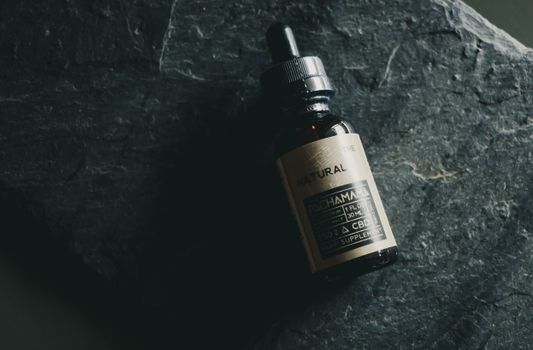 Photo: Elsa Olofsson / Pexels
 Photo: RDNE Stock project / Pexels
 Photo: Hanna Pad / Pexels