What Are Cannabis Terpenes? Unlocking Aroma & Effects
what are cannabis terpenes

What Are Cannabis Terpenes? Unlocking Aroma & Effects

Explore the secret world of terpenes, the powerful compounds that define cannabis's unique scent, flavor, and therapeutic potential.

Uncover the Secrets

Key Takeaways

  • ✓ Terpenes are aromatic compounds found in cannabis and many other plants.
  • ✓ They are responsible for the distinct smells and flavors of different cannabis strains.
  • ✓ Terpenes interact with cannabinoids (like THC and CBD) to modulate their effects, known as the 'entourage effect'.
  • ✓ Over 100 different terpenes have been identified in cannabis, each with unique properties.
  • ✓ Understanding terpenes can help consumers choose strains that align with their desired experience and wellness goals.

How It Works

1
Terpene Production

Cannabis plants, particularly in their resin glands (trichomes), naturally synthesize terpenes. This process is influenced by genetics, environment, and cultivation methods.

2
Aroma and Flavor

These volatile organic compounds evaporate easily, releasing the distinctive aromas and flavors we associate with cannabis. Each terpene contributes a unique note, from citrus to pine to earthy undertones.

3
Interaction with Cannabinoids

Once consumed, terpenes don't just provide sensory pleasure. They interact synergistically with cannabinoids like THC and CBD, enhancing or modifying their effects within the body's endocannabinoid system.

4
Therapeutic Potential

Beyond sensory appeal, many terpenes possess their own therapeutic properties. They can contribute to anti-inflammatory, anti-anxiety, or sedative effects, influencing the overall wellness experience.

The Science Behind Cannabis's Signature Scents and Flavors
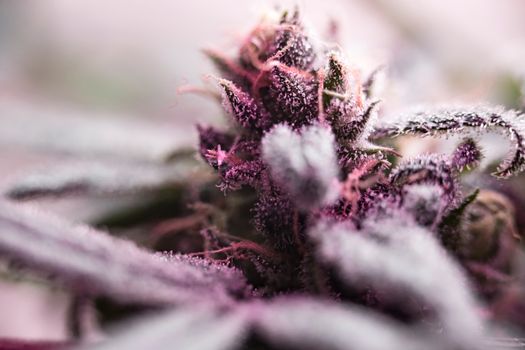
Detailed macro shot of a frosty cannabis bud with vibrant colors, captured in soft focus. Photo: Stephen Leonardi / Pexels
Delving into what are cannabis terpenes involves an exciting journey into phytochemistry, the study of compounds derived from plants. At their core, terpenes are a vast and diverse class of organic compounds, not exclusive to cannabis, but rather ubiquitous throughout the plant kingdom. They are the essential oils and aromatic resins that give plants their distinct fragrances – think of the refreshing scent of pine needles, the zesty aroma of a lemon peel, or the calming fragrance of lavender. In the context of cannabis, these compounds are primarily produced in the plant's trichomes, the tiny, mushroom-shaped glandular hairs that cover the flowers and some leaves. These trichomes are also where cannabinoids like THC and CBD are synthesized, highlighting the intimate relationship between these different classes of compounds. From an evolutionary perspective, terpenes serve crucial roles for the cannabis plant itself. They act as natural defense mechanisms, deterring pests and herbivores with their strong aromas and sometimes bitter tastes. Conversely, they can also attract beneficial insects, like pollinators, ensuring the plant's reproductive success. The sheer variety of terpenes – with over 100 different types identified in cannabis alone – accounts for the incredible diversity of aromas and flavors found across various cannabis strains. This explains why one strain might smell distinctly like blueberries, another like diesel fuel, and yet another like a freshly peeled orange. Each unique aroma profile is a complex symphony of multiple terpenes, with one or two often dominating the olfactory experience. Understanding these individual terpene contributions is key to appreciating the full spectrum of cannabis's sensory and therapeutic potential. Beyond their role as scent and flavor agents, the scientific community is increasingly recognizing terpenes for their pharmacological properties. Many terpenes have been studied for their potential anti-inflammatory, anxiolytic (anti-anxiety), analgesic (pain-relieving), and even anti-cancer effects. This growing body of research is shifting the conversation around cannabis from merely focusing on THC and CBD to a more holistic view that incorporates the synergistic action of terpenes. This synergy is famously known as the 'entourage effect,' a concept that suggests cannabinoids and terpenes work better together than in isolation. This understanding is revolutionizing how consumers and patients select cannabis products, moving towards a more informed choice based on a comprehensive understanding of the plant's chemical profile. The intricate dance between these compounds is what makes each cannabis experience truly unique and deeply personal. Learn more about the science of cannabis here.

The Entourage Effect: How Terpenes Modulate Cannabis's Impact

Cannabis leaf alongside Scrabble tiles spelling 'medicine', highlighting natural remedies. Photo: Alesia Kozik / Pexels
The concept of the 'entourage effect' is arguably one of the most pivotal discoveries in modern cannabis research, fundamentally changing our understanding of how cannabis interacts with the human body. This theory posits that the various compounds found in cannabis – including cannabinoids like THC and CBD, and critically, terpenes – work together synergistically to produce a more profound and nuanced effect than any single compound could achieve on its own. Rather than viewing THC as the sole driver of cannabis's psychoactive effects or CBD as the only source of its therapeutic benefits, the entourage effect highlights the intricate interplay between all these constituents, with terpenes playing a significant modulatory role. Imagine a symphony orchestra: while each instrument can produce sound independently, it's the combined harmony and interplay of all instruments that creates a truly rich and complex musical experience. Similarly, in cannabis, terpenes act as conductors and individual instruments, fine-tuning the overall 'performance' of the cannabinoids. For instance, some terpenes, like Myrcene, are believed to enhance the permeability of cell membranes, potentially allowing THC to cross the blood-brain barrier more efficiently, thus amplifying its effects. Other terpenes, such as Limonene, might counteract some of the less desirable effects of THC, like anxiety or paranoia, by promoting a more uplifting and mood-elevating experience. This means that two cannabis strains with identical THC percentages could produce vastly different experiences depending on their terpene profiles. This modulation extends beyond psychoactivity. Many terpenes possess their own therapeutic properties that can complement or enhance those of cannabinoids. For example, the terpene Caryophyllene is unique in that it can directly activate cannabinoid receptors (specifically CB2 receptors) in the body, offering anti-inflammatory and pain-relieving effects without causing psychoactivity. When combined with CBD, which also has anti-inflammatory properties, their combined effect could be more potent than either compound alone. This synergistic relationship is why a 'full-spectrum' cannabis product, which retains a wide array of cannabinoids and terpenes, is often considered more effective than an 'isolate' product containing only one compound. Understanding the entourage effect empowers consumers to move beyond simple THC percentages and delve into the more sophisticated world of terpene profiles to select products that truly align with their desired outcomes, whether for recreation, wellness, or specific therapeutic needs.

Key Terpenes in Cannabis and Their Distinctive Characteristics
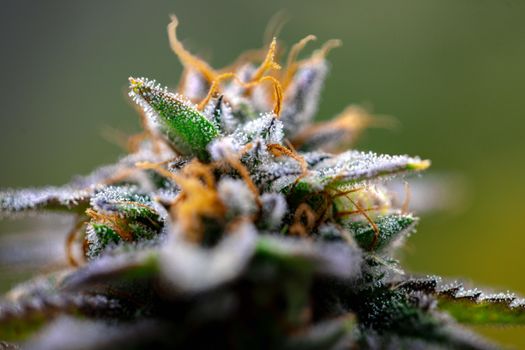
Close-up of cannabis bud showing frosty trichomes in a serene outdoor setting. Photo: Diego Barros / Pexels
While over a hundred terpenes exist in cannabis, a handful are particularly prevalent and contribute significantly to the plant's overall character and effects. Understanding these dominant terpenes is crucial for anyone looking to navigate the diverse world of cannabis strains and predict their potential impact. Let's explore some of the most common and influential terpenes: **Myrcene:** Often the most abundant terpene in cannabis, Myrcene is known for its earthy, musky aroma with hints of cloves and tropical fruit, particularly mango. It's also found in hops, thyme, and mangoes. Myrcene is often associated with the classic 'couch-lock' effect of indica strains, believed to contribute to sedative and relaxing properties. Research suggests it may also possess anti-inflammatory, analgesic, and muscle relaxant qualities, potentially enhancing the permeability of cell membranes for cannabinoids. Strains high in Myrcene are frequently sought after for relaxation and sleep. **Limonene:** As its name suggests, Limonene carries a strong citrusy aroma, reminiscent of lemons, oranges, and grapefruit. It's also found in fruit rinds, juniper, and rosemary. Limonene is commonly associated with uplifting, mood-elevating, and stress-relieving effects. It's thought to have anti-anxiety and antidepressant properties, and some studies indicate potential anti-fungal and antibacterial benefits. Consumers looking for an energetic and bright experience often gravitate towards Limonene-rich strains. **Caryophyllene:** This terpene is unique because it's the only one known to directly interact with the body's endocannabinoid system, specifically binding to CB2 receptors. Caryophyllene has a spicy, peppery, woody aroma, also found in black pepper, cloves, and cinnamon. Its ability to activate CB2 receptors means it can offer anti-inflammatory and pain-relieving effects without causing psychoactivity. It's often present in strains that provide physical relief and is being studied for its potential in treating anxiety and depression. Discover more about cannabis health benefits. **Linalool:** With its distinctive floral, lavender-like aroma, Linalool is also found in lavender, coriander, and birch bark. It's widely recognized for its sedative and relaxing properties, often used in aromatherapy for stress reduction and sleep. In cannabis, Linalool is believed to contribute to calming effects and may have anti-anxiety, antidepressant, and even anticonvulsant properties. Strains rich in Linalool are often chosen for evening use or for managing stress. **Pinene:** Available in two forms, alpha-Pinene and beta-Pinene, this terpene is responsible for the fresh, pungent scent of pine trees and is also found in rosemary and dill. Alpha-Pinene is the most common terpene in nature. Pinene is often associated with alertness, memory retention, and counteracting some of the short-term memory impairment associated with THC. It's also studied for its potential anti-inflammatory, bronchodilatory, and antiseptic properties, offering a refreshing and invigorating experience. **Humulene:** Exhibiting an earthy, woody, and spicy aroma, Humulene is also found in hops, coriander, and cloves. It's known for its potential anti-inflammatory, appetite-suppressant, and anti-tumor properties. While not as dominant as some other terpenes, it plays a vital role in contributing to the overall aroma and effects profile of many strains. This is just a glimpse into the rich world of cannabis terpenes. Each terpene contributes to a complex chemical tapestry, shaping not only the sensory experience but also the profound therapeutic potential of the cannabis plant.

Navigating Terpene Profiles: Tips for a Personalized Cannabis Experience

Understanding what are cannabis terpenes is more than just a scientific curiosity; it's a practical tool for curating a truly personalized cannabis experience. Gone are the days of simply choosing between 'Indica' for relaxation and 'Sativa' for energy, as these broad classifications often fail to account for the nuanced effects driven by terpene profiles. Here are some tips for using your knowledge of terpenes to make more informed choices: **1. Look Beyond THC/CBD Percentages:** While cannabinoid levels are important, they don't tell the whole story. Start paying attention to the terpene profiles listed on product labels or provided by dispensaries. Many reputable dispensaries now offer detailed lab reports that include terpene content. **2. Identify Your Desired Effects:** Before you choose, consider what you're hoping to achieve. Are you seeking relaxation and sleep? Energy and focus? Pain relief? Mood elevation? Different terpenes are associated with different outcomes. For example, if you want to relax, look for strains high in Myrcene or Linalool. If you need an energy boost, Limonene or Pinene might be more suitable. **3. Trust Your Nose (and Palate):** Your senses are powerful indicators. If a strain has an aroma that appeals to you and aligns with your desired effects (e.g., a citrusy scent for an uplifting experience), it's a good sign that its terpene profile might be right for you. Conversely, if a smell is off-putting, it might not be the best choice, regardless of its cannabinoid content. **4. Experiment and Document:** The best way to learn how terpenes affect *you* is through personal experimentation. Start with small doses of strains with known terpene profiles and note your reactions. Keep a journal of the strain name, its dominant terpenes, the aroma, the effects felt, and the duration. This will help you identify patterns and discover what works best for your unique physiology. **5. Consider the Entourage Effect:** Remember that terpenes don't act in isolation. It's their combined presence with cannabinoids that creates the full spectrum of effects. A strain with a rich and diverse terpene profile, even if some individual terpenes aren't dominant, might offer a more balanced and comprehensive experience than one with a very narrow profile. **6. Ask Your Budtender:** Don't hesitate to engage with knowledgeable dispensary staff. Many budtenders are well-versed in terpene science and can offer recommendations based on your preferences and desired outcomes. Provide them with details about past experiences and what you're looking for. By actively seeking out and understanding terpene information, you empower yourself to move beyond generic strain classifications and embark on a more precise and rewarding journey with cannabis, tailoring your experience to your exact needs and preferences.

Comparison

TerpenePrimary AromaCommon EffectsFound Also In
MyrceneEarthy, Musky, TropicalRelaxing, SedativeMango, Hops, Thyme
LimoneneCitrusy (Lemon, Orange)Uplifting, Stress ReliefLemon Rinds, Juniper
CaryophylleneSpicy, Peppery, WoodyAnti-inflammatory, Pain ReliefBlack Pepper, Cloves
LinaloolFloral, LavenderCalming, Anti-anxietyLavender, Coriander
PinenePine, Woody, ResinousAlertness, Memory SupportPine Needles, Rosemary
HumuleneEarthy, Woody, SpicyAnti-inflammatory, Appetite SuppressantHops, Coriander

What Readers Say

"Understanding what are cannabis terpenes completely changed how I choose my strains. I used to just pick by THC, but now I look for Myrcene for sleep and Limonene for daytime energy. It's made a huge difference in my daily routine."

Sarah J. · Denver, CO

"This article clarified so much about the 'entourage effect.' I always wondered why some high-THC strains felt different. Now I know it's the terpenes modulating the experience. Truly insightful!"

Mark D. · Portland, OR

"After reading this, I tried a strain high in Linalool for my anxiety, and it was incredibly effective. The calming effect was much more pronounced than other strains I'd tried, even those with similar cannabinoid profiles."

Jessica L. · Los Angeles, CA

"Great overview of what are cannabis terpenes, though I'd love to see even more detail on less common terpenes. Still, it's a fantastic starting point for anyone looking to go beyond just THC percentages and understand the full plant."

Kevin R. · Boston, MA

"As a medical cannabis patient, pinpointing specific terpenes for pain relief has been a game-changer. My doctor even recommended looking for Caryophyllene, and it's been consistently helpful for my inflammation."

Olivia P. · Seattle, WA

Frequently Asked Questions

What is the primary function of terpenes in cannabis?

The primary function of terpenes in cannabis is to produce the plant's distinctive aromas and flavors. Beyond sensory appeal, they also play a crucial role in the 'entourage effect,' interacting with cannabinoids to modulate and enhance the plant's overall therapeutic and psychoactive effects on the human body.

Are terpenes psychoactive like THC?

No, terpenes themselves are not psychoactive in the same way THC is. They do not directly cause the 'high' associated with cannabis. However, they can influence and modulate the psychoactive effects of THC and other cannabinoids, contributing to the overall experience, often enhancing or mellowing the effects.

How can I tell what terpenes are in my cannabis?

The best way to know the terpene profile of your cannabis is to check the product's lab report or certificate of analysis (COA), often provided by dispensaries. These reports detail the concentrations of various cannabinoids and terpenes. You can also infer some dominant terpenes from the aroma and flavor, but lab results provide precise data.

Do terpenes have any health benefits?

Yes, many terpenes have been studied for their potential health benefits. These include anti-inflammatory, analgesic (pain-relieving), anxiolytic (anti-anxiety), antidepressant, and even anti-cancer properties. Their therapeutic effects are often enhanced when combined with cannabinoids through the entourage effect.

How do terpenes differ from cannabinoids?

Terpenes and cannabinoids are both classes of compounds found in cannabis, but they are chemically distinct. Cannabinoids (like THC and CBD) are primarily known for their direct interaction with the body's endocannabinoid system, causing psychoactive or therapeutic effects. Terpenes are aromatic compounds that give cannabis its smell and flavor, and they influence cannabinoid effects through the 'entourage effect,' often having their own therapeutic properties as well.

Who should pay attention to cannabis terpenes?

Anyone looking to optimize their cannabis experience, whether for recreational enjoyment or therapeutic purposes, should pay attention to terpenes. This includes medical patients seeking specific relief, recreational users wanting tailored effects (e.g., uplifting vs. relaxing), and connoisseurs interested in flavor and aroma profiles. Understanding terpenes helps in making more informed and personalized choices.

Are there any risks associated with cannabis terpenes?

In their natural concentrations within cannabis, terpenes are generally considered safe. However, concentrated terpene products, if not used properly, can be irritating to the respiratory system due to their potency. Always ensure products are from reputable sources and follow usage guidelines. Allergic reactions, though rare, are also possible.

What is the future trend in understanding cannabis terpenes?

The future trend involves increasingly precise cultivation techniques to enhance specific terpene profiles, advanced extraction methods to preserve these delicate compounds, and more in-depth research into the individual and synergistic therapeutic effects of terpenes. We can expect more terpene-specific product labeling and personalized cannabis recommendations based on desired terpene combinations.

Ready to elevate your cannabis journey? Now that you understand what are cannabis terpenes, use this knowledge to explore new strains and products. Discover the perfect aroma, flavor, and effect profile tailored just for you.

Topics: what are cannabis terpenescannabis aroma compoundsterpenes effectsentourage effect cannabiscannabis smell
Leo List
Brampton weed
Adultwork EstrelaBet Vai de Bet R7 Bet Betão Galera Bet Rainbet Bet9ja Shop SportyBet BetKing Sisal Loto Foot Hollywoodbets YesPlay Odibets RushBet Jugabet BetWarrior BetCity MSport betPawa Fortebet