Sativa vs Indica Effects Comparison: Your Ultimate Guide

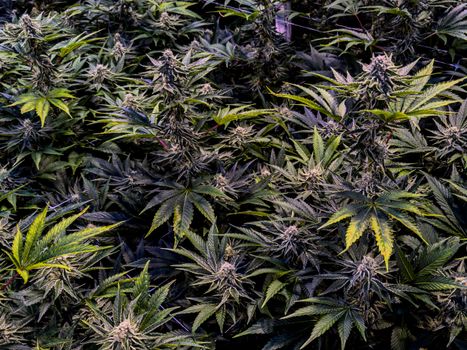
High-quality image of dense cannabis plants in full bloom with vibrant lush leaves.Photo: S.Taylor / Pexels

Sativa vs Indica Effects Comparison: Your Ultimate Guide

Navigate the complex world of cannabis strains and find your perfect match for relaxation, energy, or balance.

Discover Your Ideal Strain

Key Takeaways

  • ✓ Sativa strains are typically associated with uplifting, energizing effects, often called a 'head high'.
  • ✓ Indica strains are generally known for relaxing, sedative effects, commonly referred to as a 'body high'.
  • ✓ Hybrid strains blend characteristics of both sativa and indica, offering a wide spectrum of effects.
  • ✓ The 'entourage effect' suggests cannabinoids and terpenes work synergistically to produce unique experiences.

How It Works

1
Understand the Basics

Learn the traditional distinctions between sativa and indica, focusing on their historical origins and perceived effects. This foundational knowledge helps set the stage for deeper exploration into their chemical profiles.

2
Explore Cannabinoid & Terpene Profiles

Delve into the chemical compounds like THC, CBD, and various terpenes that truly dictate a strain's effects. Understanding these components moves beyond simple strain classifications to a more scientific approach.

3
Identify Your Desired Experience

Consider what you want to achieve with cannabis – be it relaxation, creativity, pain relief, or sleep. Matching your goals to the known effects of specific cannabinoid and terpene combinations is crucial.

4
Consult and Experiment Responsibly

Speak with dispensary staff or a cannabis professional to get personalized recommendations. Begin with small doses and observe your body's response to different strains to find what works best for you, always prioritizing safety and legality.

The Traditional Divide: Sativa vs. Indica Explained

High-quality image of dense cannabis plants in full bloom with vibrant lush leaves.Photo: S.Taylor / Pexels
For decades, the cannabis community has largely categorized strains into two primary types: Sativa and Indica. This traditional distinction, while a helpful starting point, has roots in the physical characteristics of the plants themselves rather than a purely scientific classification of their effects. Sativa plants, originating from equatorial regions, are typically tall, slender, with narrow leaves and longer flowering cycles. Historically, they were associated with an uplifting, energizing, and cerebral 'head high,' making them popular for daytime use, creative pursuits, and social activities. Users often report feelings of euphoria, increased focus, and a boost in mood. Think of a brisk walk in the park or a stimulating conversation – these are the types of experiences often linked to traditional Sativa effects. These strains are believed to stimulate the mind, making them potentially beneficial for those seeking relief from depression or fatigue, or simply looking to enhance their cognitive experience. The energizing properties are often attributed to specific terpene profiles, such as those high in limonene or pinene, which are known for their uplifting and focus-enhancing qualities. While the anecdotal evidence is strong, it's important to remember that individual responses can vary greatly based on personal biology and tolerance. In contrast, Indica plants, native to the harsh, mountainous regions of the Hindu Kush, are generally shorter, bushier, with broad leaves and shorter flowering times. These strains have long been linked to a relaxing, sedative, full-body 'couch-lock' effect, often referred to as a 'body high.' Indica is typically favored for evening use, relaxation, pain relief, and promoting sleep. Imagine settling down after a long day, wrapped in a warm blanket, feeling every muscle unwind – that's the classic Indica experience. Users often seek out Indica strains for their potential to alleviate chronic pain, muscle spasms, anxiety, and insomnia. The calming effects are frequently associated with terpenes like myrcene, which is known for its sedative properties, and linalool, which has anxiolytic effects. This traditional classification has served as a simple guide for consumers and cultivators alike, providing a basic framework for understanding potential outcomes. However, as scientific understanding of cannabis grows, we realize that the physical appearance of a plant doesn't always perfectly predict its psychoactive effects. The true determinants lie deeper, within the complex interplay of cannabinoids and terpenes. Understanding this traditional framework is the first step in navigating the nuanced world of cannabis, allowing you to appreciate the evolution of our knowledge. Explore more about cannabis history and cultivation.

Beyond Sativa and Indica: The Role of Cannabinoids and Terpenes

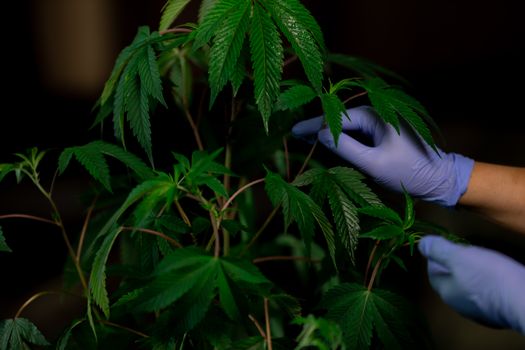
Detailed view of cannabis plant leaves highlighting their lush green texture.Photo: Keloke Grow / Pexels
While the Sativa-Indica dichotomy has been a cornerstone of cannabis culture, modern science is increasingly challenging its simplistic nature. Experts now emphasize that the true orchestrators of a strain's effects are its unique chemical profile, specifically the ratios of various cannabinoids and the presence of terpenes. Cannabinoids like Tetrahydrocannabinol (THC) and Cannabidiol (CBD) are the most well-known. THC is the primary psychoactive compound responsible for the euphoric 'high,' while CBD is non-intoxicating and is often sought for its therapeutic properties, such as reducing anxiety, inflammation, and seizures. However, the cannabis plant produces over a hundred other cannabinoids, including CBG, CBN, and CBC, each with its own potential effects and contributions to the overall experience. The interplay between THC and CBD is particularly significant. Strains with higher CBD content, even if traditionally classified as Sativa, might produce less anxiety and a more balanced effect due to CBD's ability to modulate THC's psychoactive impact. Beyond cannabinoids, terpenes play an equally crucial, if not more defining, role in shaping the specific effects of a cannabis strain. Terpenes are aromatic compounds found in many plants, responsible for the distinct smells and flavors of cannabis, from citrusy and piney to earthy and skunky. But their function extends far beyond aroma; they interact with cannabinoids and other compounds in what is known as the 'entourage effect.' This theory suggests that these compounds work synergistically, enhancing each other's therapeutic benefits and modulating the overall experience. For example, the terpene myrcene, commonly found in Indica-dominant strains, is associated with sedative and relaxing effects. Limonene, often prevalent in Sativa-dominant strains, is linked to mood elevation and stress relief. Pinene may aid alertness and memory, while caryophyllene, unique for its ability to interact with the endocannabinoid system, is known for its anti-inflammatory properties. Therefore, a strain's classification as Sativa or Indica might give you a general idea, but its specific cannabinoid and terpene profile will provide a much more accurate prediction of its effects. Two strains that are both labeled 'Sativa' could have vastly different effects if one is high in limonene and the other in terpinolene. This nuanced understanding empowers consumers to move beyond broad categories and focus on the chemical makeup that truly dictates their experience. When selecting a strain, inquiring about its cannabinoid percentages and dominant terpenes will give you a far more precise indication of what to expect than simply asking if it's a Sativa or Indica. This shift in perspective is vital for both recreational users seeking specific experiences and medical patients looking for targeted relief.

Hybrid Strains and Tailoring Your Cannabis Experience

The vast majority of cannabis available today are actually hybrid strains, meaning they contain genetics from both Sativa and Indica parents. These hybrids offer a spectrum of effects, blending the energizing qualities of Sativas with the relaxing properties of Indicas. This hybridization allows cultivators to breed for specific characteristics, creating strains that can be Sativa-dominant, Indica-dominant, or perfectly balanced. A Sativa-dominant hybrid, for instance, might offer an uplifting head high with a subtle body relaxation, preventing the jitteriness sometimes associated with pure Sativas. Conversely, an Indica-dominant hybrid could provide deep relaxation without the complete couch-lock, allowing for some mental clarity. This versatility makes hybrids incredibly popular, as they can be tailored to suit a wide range of preferences and desired outcomes. The beauty of hybrids lies in their ability to offer a more nuanced and customizable experience, moving beyond the binary choices of pure Sativa or pure Indica. Learn more about different cannabis product types and how they integrate into your lifestyle. Tailoring your cannabis experience goes beyond just choosing a Sativa, Indica, or hybrid. It involves a holistic approach that considers several factors. First, understanding your personal tolerance and sensitivity to cannabinoids is paramount. A strain that might be mildly uplifting for one person could be overwhelmingly stimulating for another. Starting with a low dose and gradually increasing it is always advisable, especially when trying a new strain or consumption method. Second, the method of consumption plays a significant role. Inhalation (smoking or vaping) typically leads to faster onset and shorter duration of effects, while edibles have a delayed onset but can produce more intense and longer-lasting effects. The method influences how quickly cannabinoids enter your bloodstream and interact with your endocannabinoid system, thereby altering the perceived experience. Third, your set and setting – your mindset and environment – can profoundly impact how you experience cannabis. If you're feeling anxious or stressed, even a traditionally 'relaxing' strain might amplify those feelings. Conversely, being in a comfortable, safe, and positive environment can enhance the positive effects of any strain. Lastly, hydration and nutrition can also subtly influence your experience. A well-hydrated body tends to process substances more efficiently. By considering these factors – strain profile, consumption method, personal tolerance, set and setting, and even your physiological state – you can consciously tailor your cannabis experience to achieve your desired outcome, whether it's creative inspiration, profound relaxation, pain relief, or simply a good night's sleep. This personalized approach moves beyond generic recommendations and empowers you to become an informed and responsible cannabis user.

Practical Tips for Choosing Your Ideal Strain and Avoiding Common Mistakes

Navigating the world of cannabis, especially with the evolving understanding of Sativa vs. Indica effects comparison, can be daunting. To help you make informed choices, here are some practical tips and common mistakes to avoid: **Tips for Choosing:** * **Prioritize Cannabinoid and Terpene Profiles:** Move beyond just 'Sativa' or 'Indica.' Ask your dispensary consultant about the THC/CBD ratios and the dominant terpenes (e.g., myrcene for relaxation, limonene for uplift, caryophyllene for anti-inflammatory effects). Many reputable dispensaries provide detailed lab reports for their products. * **Define Your Desired Outcome:** Before you even look at strains, clearly articulate what you want to achieve. Are you seeking pain relief, sleep, creativity, focus, or anxiety reduction? This clarity will guide your selection significantly. * **Start Low and Go Slow:** Especially if you're new to cannabis or trying a new strain, begin with a very small dose. Wait at least 15-30 minutes for inhaled products and 1-2 hours for edibles before considering more. This prevents overconsumption and allows you to gauge your sensitivity. * **Keep a Cannabis Journal:** Documenting your experiences with different strains can be incredibly helpful. Note the strain name, cannabinoid/terpene profile, dosage, consumption method, time of day, your mood, and the effects you felt. This personal data is invaluable for future choices. * **Consult with Experts:** Don't hesitate to ask budtenders or cannabis educators for recommendations. Share your desired effects and any previous experiences (good or bad) to get tailored advice. **Common Mistakes to Avoid:** * **Solely Relying on Sativa/Indica Labels:** As discussed, these labels are often oversimplified and may not accurately predict effects due to hybridization and the complex interplay of compounds. A 'Sativa' can be relaxing, and an 'Indica' can be stimulating, depending on its unique chemical makeup. * **Ignoring Dosage:** Taking too much, especially of high-THC strains or edibles, is a common error that can lead to anxiety, paranoia, or discomfort. Always be mindful of potency and dosage. * **Forgetting About Terpenes:** Many consumers overlook terpenes, but they are crucial for shaping the overall experience. A strain's aroma is a good indicator of its terpene profile, so don't underestimate your nose! * **Not Considering Your Environment (Set & Setting):** Consuming cannabis when you're already stressed or in an unfamiliar, uncomfortable environment can lead to a negative experience, regardless of the strain. Ensure you are in a safe and relaxed space. * **Impatience with Edibles:** Edibles have a delayed onset and can last much longer than inhaled products. A common mistake is taking more because you don't feel effects quickly, leading to an overwhelming experience later. Be patient and wait the recommended time. * **Ignoring Personal Biology:** Everyone's endocannabinoid system is unique. What works for a friend might not work for you, and vice versa. Personal experimentation and self-awareness are key. By following these tips and avoiding these common pitfalls, you can enhance your understanding of sativa vs indica effects comparison and cultivate a more positive and predictable cannabis experience.

Comparison

FeatureTraditional SativaTraditional IndicaModern Hybrids
Plant AppearanceTall, slender, narrow leavesShort, bushy, broad leavesVaried, blend of both
Typical Effects (Traditional)Energizing, uplifting, cerebralRelaxing, sedative, body highSpectrum of effects, balanced
Best For (Traditional)Daytime, creativity, focusNighttime, relaxation, pain reliefTailored to specific needs
Common TerpenesLimonene, Pinene, TerpinoleneMyrcene, Linalool, CaryophylleneDiverse combinations
Onset Time (Inhaled)5-15 minutes5-15 minutes5-15 minutes
Duration (Inhaled)1-3 hours1-3 hours1-3 hours
Risk of Anxiety (High THC)HigherModerateVaries by profile
Potential for Couch-lockLowHighVaries by profile

What Our Readers Say

5 ★★★★★

"Understanding the sativa vs indica effects comparison has been a game-changer for my anxiety. I used to just pick whatever, but now I know to look for specific terpene profiles in Indicas that truly calm me down without making me feel sluggish."

5 ★★★★★

"This guide helped me realize why some 'Sativas' made me sleepy and others made me anxious. It's all about the cannabinoids and terpenes! My creative output has improved immensely since I started choosing based on specific effects, not just the plant type."

5 ★★★★★

"I was always skeptical about the Sativa vs Indica effects comparison, but after reading this, I tried an Indica-dominant hybrid for my chronic pain before bed. The relief was incredible, and I slept through the night for the first time in months."

4 ★★★★☆

"While the traditional Sativa/Indica labels are a good starting point, this article really emphasized the importance of terpenes. It's a bit more complex to learn, but the payoff in finding the perfect strain for focus during my work day is worth it."

5 ★★★★★

"As a medical user, understanding the nuances of sativa vs indica effects comparison and the role of CBD has been crucial. I can now effectively manage my inflammation and daytime anxiety by selecting specific hybrid strains with balanced ratios."

Frequently Asked Questions

What is the primary difference in effects between Sativa and Indica?
Traditionally, Sativa strains are associated with uplifting, energizing, and cerebral effects, often called a 'head high,' making them suitable for daytime. Indica strains are known for relaxing, sedating, and full-body effects, or a 'body high,' typically favored for evening use. However, modern understanding emphasizes that the specific cannabinoid and terpene profile of a strain is a more accurate predictor of its effects than its Sativa or Indica classification alone.
Can a Sativa make me feel sleepy, or an Indica make me feel energized?
Yes, absolutely. While traditional classifications suggest otherwise, the actual effects are dictated by the strain's unique chemical composition (cannabinoids and terpenes). A Sativa rich in the sedative terpene myrcene could induce sleepiness, and an Indica high in stimulating terpenes like limonene could provide energy. Always refer to the specific lab profile if available.
How can I choose the right strain for my specific needs?
To choose the right strain, first identify your desired outcome (e.g., relaxation, pain relief, focus). Then, look for strains with specific cannabinoid ratios (e.g., high CBD for anxiety, balanced THC/CBD for mild effects) and terpene profiles (e.g., myrcene for sedation, limonene for mood lift). Consulting with a knowledgeable dispensary staff member and starting with low doses are also excellent strategies.
Is it more expensive to buy strains based on specific cannabinoid/terpene profiles?
Not necessarily. The price of cannabis is generally influenced by factors like cultivation costs, potency (especially THC content), rarity, and market demand, rather than the sophistication of its chemical analysis. Many dispensaries now provide detailed profiles as standard information for their products, allowing you to make informed decisions without an added cost for the data itself.
How do hybrid strains fit into the sativa vs indica effects comparison?
Hybrid strains blend the genetics of both Sativa and Indica, offering a wide spectrum of effects that can be Sativa-dominant, Indica-dominant, or balanced. They allow for more nuanced and tailored experiences, combining desirable traits from both parent strains. This means a hybrid can provide a more balanced effect, such as an uplifting sensation with a calming body buzz.
Who should use Sativa vs Indica effects comparison for their choices?
Anyone consuming cannabis, whether for recreational enjoyment or therapeutic relief, should leverage a deeper understanding of sativa vs indica effects comparison. It's particularly beneficial for individuals seeking specific outcomes, managing medical conditions, or those sensitive to certain cannabis effects, as it allows for a more predictable and personalized experience.
Are there any risks associated with choosing the 'wrong' strain?
Choosing a strain that doesn't align with your desired effects can lead to an undesirable experience, such as increased anxiety or paranoia from an overly stimulating strain when you wanted relaxation, or excessive sedation when you needed focus. Starting with a low dose and understanding the chemical profile helps mitigate these risks, ensuring a more pleasant and effective experience.
What future trends are expected in understanding cannabis effects?
Future trends in understanding cannabis effects will likely involve more personalized medicine approaches, leveraging genetic testing to predict individual responses to specific cannabinoid and terpene profiles. Advanced research into minor cannabinoids and their interactions, alongside AI-driven strain recommendations, will further refine our ability to tailor cannabis experiences to individual needs and preferences.

Armed with this comprehensive sativa vs indica effects comparison, you're now ready to confidently explore the world of cannabis. Make informed choices, personalize your experience, and discover the strains that best suit your unique needs and desires today.

Topics: sativa vs indica effects comparisoncannabis strain differencesindica effectssativa effectshybrid strains
Leo List
Brampton weed
Adultwork