Navigating US Cannabis Laws by State: Your Ultimate Guide
cannabis laws by state

Navigating US Cannabis Laws by State: Your Ultimate Guide

Unravel the intricate tapestry of cannabis regulations across the United States for informed decisions.

Explore State Laws Now

Key Takeaways

  • ✓ Cannabis remains federally illegal in the US, despite state-level legalization.
  • ✓ 38 states and DC have legalized medical cannabis programs.
  • ✓ 24 states and DC have legalized adult-use recreational cannabis.
  • ✓ CBD derived from hemp (less than 0.3% THC) is federally legal but state laws vary for products.

How It Works

1
Understand Federal vs. State Law

Cannabis is a Schedule I controlled substance under federal law, making its cultivation, possession, and distribution illegal. However, individual states have enacted their own laws, creating a complex legal landscape.

2
Identify Your State's Stance

Determine if your state has legalized medical cannabis, recreational cannabis, or both, or if it remains fully illegal. Each state's regulatory framework dictates possession limits, cultivation rights, and sales channels.

3
Review Specific Regulations

Once you know your state's general status, delve into the specifics. This includes age restrictions, licensing requirements for dispensaries, tax structures, and rules regarding public consumption and transportation.

4
Stay Informed on Changes

Cannabis laws are constantly evolving. Regularly check official state government websites or reputable legal resources to ensure you are up-to-date with any new legislation or amendments that could affect you.

The Complex Tapestry of US Marijuana Regulations
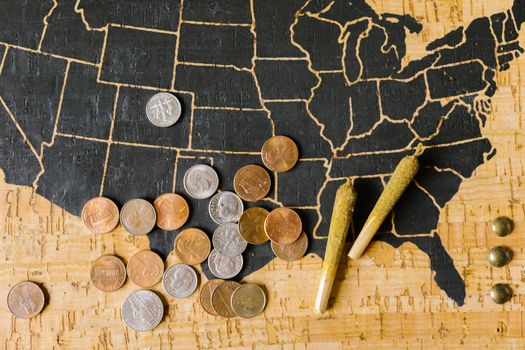
A USA map with cannabis joints and coins, symbolizing legal marijuana and its economic impact. Photo: RDNE Stock project / Pexels
The legal status of cannabis in the United States is a patchwork quilt of federal prohibition and varying state-level reforms, creating a unique and often confusing landscape for consumers, businesses, and law enforcement alike. While the federal government still classifies cannabis as a Schedule I controlled substance under the Controlled Substances Act, placing it in the same category as heroin and LSD, a growing number of states have moved to legalize it for medical or recreational purposes. This fundamental conflict between federal and state law is the cornerstone of understanding cannabis legality in the US. For businesses, this federal illegality presents significant challenges, including limited access to banking services, restrictions on interstate commerce, and inability to deduct typical business expenses for tax purposes. For individuals, crossing state lines with cannabis, even between two legal states, can lead to federal charges. The Cole Memorandum, issued by the Obama administration, historically provided some guidance, suggesting that the federal government would not interfere with state cannabis laws as long as states maintained robust regulatory systems. However, this memorandum was rescinded in 2018, leaving the enforcement landscape less clear, though in practice, federal intervention in state-legal cannabis operations has been rare. Understanding this duality is paramount. It means that while you might legally purchase and consume cannabis in California, transporting it even to neighboring Nevada, where it is also legal, could theoretically expose you to federal prosecution if you cross federal land or are stopped by federal agents. This legal limbo underscores the need for extreme caution and thorough research into the specific regulations of any state you plan to visit or reside in. The push for federal reform, including rescheduling or descheduling cannabis, continues to gain momentum, but until such changes occur, the state-by-state approach remains the reality. Exploring the nuances of these laws is crucial for anyone engaging with cannabis in any capacity across the US. This section aims to demystify the overarching federal position and how it interacts, or often conflicts, with the burgeoning state-level cannabis industry and consumer rights.

State-by-State Breakdown: Recreational Cannabis Laws
Close-up of cannabis packaging with a THC warning label on a purple background, highlighting safety and regulatory compliance. Photo: Sadi Hockmuller / Pexels
As of early 2024, a significant and increasing number of US states have legalized adult-use recreational cannabis, allowing individuals aged 21 and over to purchase and consume marijuana. This wave of legalization began with Colorado and Washington in 2012 and has since spread across the nation, driven by public support, potential tax revenues, and a desire to address historical injustices related to prohibition. Each state, however, has crafted its own unique framework, leading to considerable variation in regulations. For example, states like California, Colorado, and Oregon have well-established recreational markets with numerous dispensaries, a wide range of products, and relatively high possession limits. In these states, it's common to find regulations governing everything from cultivation and processing to testing, packaging, and advertising. Public consumption is generally prohibited, and driving under the influence of cannabis carries severe penalties, similar to alcohol. Conversely, newer recreational states like New York, New Jersey, and Virginia are still in various stages of rolling out their markets. While adult possession and home cultivation might be legal, the commercial retail infrastructure might still be developing, leading to fewer dispensaries or a more limited product selection in the initial phases. Some states, like Vermont, have legalized possession and home cultivation but have been slower to establish a commercial retail market, meaning that while you can legally possess it, legally purchasing it might be more challenging. Possession limits are another key differentiator. Some states measure limits by weight (e.g., ounces of flower), while others specify limits for concentrates or edibles in terms of THC content. Home cultivation rules also vary widely; some states permit a generous number of plants per household, while others restrict it or prohibit it entirely. Taxation is also a major component, with excise taxes, sales taxes, and local taxes often layered on top of the product price, contributing significantly to state coffers. It is imperative to consult each state's specific Department of Cannabis Control or equivalent agency for the most accurate and up-to-date information before engaging with recreational cannabis.

Medical Marijuana Programs: Access and Eligibility Across States

Close-up of cannabis packaging with a THC warning label on a purple background, highlighting safety and regulatory compliance. Photo: Sadi Hockmuller / Pexels
Medical marijuana programs represent the most widespread form of cannabis legalization across the United States, with 38 states and Washington D.C. having established some form of legal access for patients. These programs are designed to provide relief for individuals suffering from specific debilitating medical conditions, as certified by a licensed physician. However, the qualifying conditions, application processes, and accessible product forms vary significantly from one state to another, making a thorough understanding of local laws essential for prospective patients. Common qualifying conditions typically include cancer, glaucoma, HIV/AIDS, Crohn's disease, multiple sclerosis, severe and chronic pain, and epilepsy/seizure disorders. However, some states maintain much broader lists, while others are more restrictive. For instance, states like Florida and Oklahoma have relatively expansive lists of conditions, making patient access somewhat easier. In contrast, states like Pennsylvania or New York have more defined and often narrower lists. Patients usually need to obtain a recommendation from a state-licensed physician who has evaluated their condition and determined that cannabis could be a beneficial treatment. This recommendation is then submitted to the state's health department or designated regulatory body to obtain a medical marijuana card or patient identification. Once approved, patients are typically allowed to purchase cannabis products from licensed medical dispensaries. The types of products available can range from flower and edibles to tinctures, topicals, and concentrates. Possession limits for medical patients are often higher than for recreational users and are usually specified in terms of a 30-day or 60-day supply. Home cultivation for medical patients is also permitted in some states, offering an alternative for those who prefer to grow their own medicine, though strict limits on plant count usually apply. It's crucial for medical cannabis patients to understand that their patient card typically offers no protection when crossing state lines, even into another medical cannabis state. Federal law still applies. Furthermore, employment protections for medical cannabis users vary, with some states offering limited protections against discrimination, while others do not. The landscape of medical cannabis is constantly evolving, with new conditions being added and regulations being refined, emphasizing the need for continuous research into a specific state's medical marijuana program.

CBD and Hemp Laws: Navigating the Non-Intoxicating Side
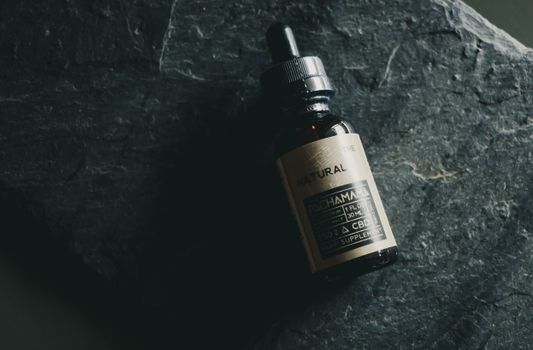
A CBD tincture bottle displayed on a textured dark stone background emphasizing natural wellness. Photo: Elsa Olofsson / Pexels
While THC-rich cannabis grabs most of the headlines, the legal landscape for cannabidiol (CBD) and hemp-derived products also presents its own set of complexities, despite federal legalization. The 2018 Farm Bill federally legalized industrial hemp, defined as cannabis with less than 0.3% Delta-9 THC on a dry weight basis. This landmark legislation removed hemp from the Controlled Substances Act, paving the way for a booming CBD market. However, 'federally legal' does not mean 'unregulated' or 'universally permitted' at the state level. Many states have implemented their own regulations concerning the cultivation, processing, testing, labeling, and sale of CBD products, leading to a fragmented market. Here are key considerations and common pitfalls: * **State-Specific Restrictions:** Some states have stricter definitions of hemp or have imposed outright bans on certain CBD products, particularly edibles or inhalable forms. For example, some states prohibit CBD in food and beverages, aligning with FDA's current stance, while others have created their own regulatory pathways for these products. Always check the specific laws of the state you are in or plan to ship to. * **Delta-8 THC and Other Cannabinoids:** The legality of minor cannabinoids like Delta-8 THC, Delta-10 THC, and HHC, which can be derived from hemp but have intoxicating effects, is a particularly contentious area. While technically hemp-derived, many states have moved to ban or heavily regulate these compounds, arguing they fall outside the spirit of the Farm Bill. The legal status of these cannabinoids can change rapidly. * **Labeling and Testing Requirements:** Many states now mandate specific labeling requirements for CBD products, including QR codes linking to third-party lab results (Certificates of Analysis or COAs) that verify THC content and check for contaminants. This helps ensure product safety and compliance. Consumers should always look for products with easily accessible COAs. * **Interstate Commerce:** While hemp-derived CBD is federally legal to transport across state lines, the nuances of state laws can still create issues. A product legal in one state might be illegal in another, leading to potential seizures or legal challenges for businesses and individuals. * **FDA's Role:** The Food and Drug Administration (FDA) currently prohibits the addition of CBD to food, beverages, or dietary supplements, citing insufficient research on safety. Despite this, a vast market of such products exists, operating in a grey area where state regulations often fill the void. The FDA is exploring potential regulatory pathways but has yet to issue clear guidelines. Navigating the CBD and hemp market requires vigilance. Consumers and businesses must stay informed about both federal guidelines and the rapidly evolving state-specific legislation to ensure compliance and avoid legal complications.

Comparison

FeatureRecreational LegalMedical Legal OnlyIllegal/Decriminalized
Age Requirement21+18+ (with card)Any age, prohibited
Possession LimitsVaries (e.g., 1-2 oz flower)Higher (e.g., 2-6 oz flower)Zero tolerance or small fines
Home CultivationOften permittedSometimes permittedProhibited, felony
Public ConsumptionProhibitedProhibitedProhibited
Dispensary AccessOpen to adultsCardholders onlyNo legal access
Tax RevenueSignificantModerateNone

What Readers Say

"This guide clarified so much about cannabis laws by state! I was worried about traveling with my medical card, and now I understand the federal vs. state differences perfectly. Extremely helpful for peace of mind."

Sarah J. · Denver, CO

"As a new resident to a recreational state, the breakdown of New York's specific cannabis laws was invaluable. I now know my rights regarding possession and public use, which wasn't clear before."

Mark D. · Albany, NY

"I often travel between legal states and this article helped me understand why I can't just drive across state lines with products, even if both states are legal. It saved me from a potential legal issue."

Emily R. · Los Angeles, CA

"While my state is still illegal for recreational use, the information on medical marijuana programs gave me hope for future access. The clear distinction between federal and state law was particularly enlightening, though I wish there was more movement on the federal front."

David L. · Dallas, TX

"The section on CBD and Delta-8 was a lifesaver! I was confused about what was truly legal and safe to buy. This detailed explanation helped me make informed choices about my health and wellness products."

Jessica M. · Miami, FL

Frequently Asked Questions

What is the primary difference between federal and state cannabis laws?

The primary difference is that cannabis remains illegal at the federal level as a Schedule I controlled substance, while many individual states have legalized it for medical or recreational use. This creates a legal conflict where state-legal activities can still technically be prosecuted under federal law, although federal enforcement has largely deferred to state regulations in recent years.

Can I travel with cannabis between two states where it's legal?

No, traveling with cannabis across state lines, even between two states where it is legal, is still prohibited by federal law. Crossing state borders brings you under federal jurisdiction, where cannabis remains illegal, regardless of state laws. This applies to both recreational and medical cannabis.

How do I get a medical marijuana card in my state?

To get a medical marijuana card, you typically need to consult with a state-licensed physician who can certify that you have a qualifying medical condition. After receiving a recommendation, you will usually submit an application and relevant documentation to your state's health department or medical cannabis program for approval and issuance of a patient identification card.

What are the tax implications of legal cannabis?

Legal cannabis is subject to various taxes, which often include state sales tax, excise taxes specific to cannabis products, and sometimes local taxes. These taxes can significantly increase the final price of cannabis products and are a major source of revenue for states that have legalized it. Federal tax deductions for cannabis businesses are also restricted due to federal illegality.

Is CBD legal everywhere in the US?

CBD derived from hemp (containing less than 0.3% Delta-9 THC) is federally legal under the 2018 Farm Bill. However, state laws vary. Some states have imposed their own restrictions on the sale of certain CBD products, particularly edibles or inhalables, and the FDA has not approved CBD for use in food or dietary supplements. Always check state-specific regulations.

Who should be most concerned about understanding cannabis laws by state?

Anyone who consumes, cultivates, sells, or transports cannabis or hemp-derived products should be deeply concerned with understanding cannabis laws by state. This includes medical patients, recreational users, cannabis business owners, and even individuals traveling through different states, as ignorance of the law is not a defense.

What are the risks of using cannabis in an illegal state?

In states where cannabis remains illegal, possession, cultivation, and distribution can lead to severe penalties, including hefty fines, jail time, and a criminal record. Even in states with decriminalization, you can still face fines and other non-criminal penalties. The risks vary significantly based on the specific state's laws.

What is the future outlook for federal cannabis legalization?

The future outlook for federal cannabis legalization is uncertain but trending towards reform. While full federal legalization may still be some time away, there is growing bipartisan support for measures like the SAFE Banking Act, which would allow cannabis businesses access to traditional financial services, and efforts to reschedule or deschedule cannabis from the Controlled Substances Act are ongoing. State-level legalization continues to expand, putting pressure on federal lawmakers.

Stay informed and compliant. Explore our comprehensive resources to fully understand the intricate cannabis laws by state and navigate the evolving legal landscape with confidence.

Topics: cannabis laws by statemarijuana laws USmedical marijuana lawsrecreational cannabis lawsCBD regulations
Leo List

DK Escorts LU Escorts AT Escorts SE Escorts FI Escorts CH Escorts DE Escorts HR Escorts IE Escorts GR Escorts CZ Escorts NO Escorts BE Escorts FR Escorts SI Escorts IL Escorts NL Escorts PL Escorts HU Escorts ES Escorts IT Escorts PT Escorts SK Escorts RO Escorts ZA Escorts UY Escorts US Escorts UK Escorts NZ Escorts AU Escorts
Brampton weed
Adultwork EstrelaBet Vai de Bet R7 Bet Betão Galera Bet Rainbet Bet9ja Shop SportyBet BetKing Sisal Loto Foot Hollywoodbets YesPlay Odibets RushBet Jugabet BetWarrior BetCity MSport betPawa Fortebet