Medical Marijuana Card Requirements California: Your Complete Guide

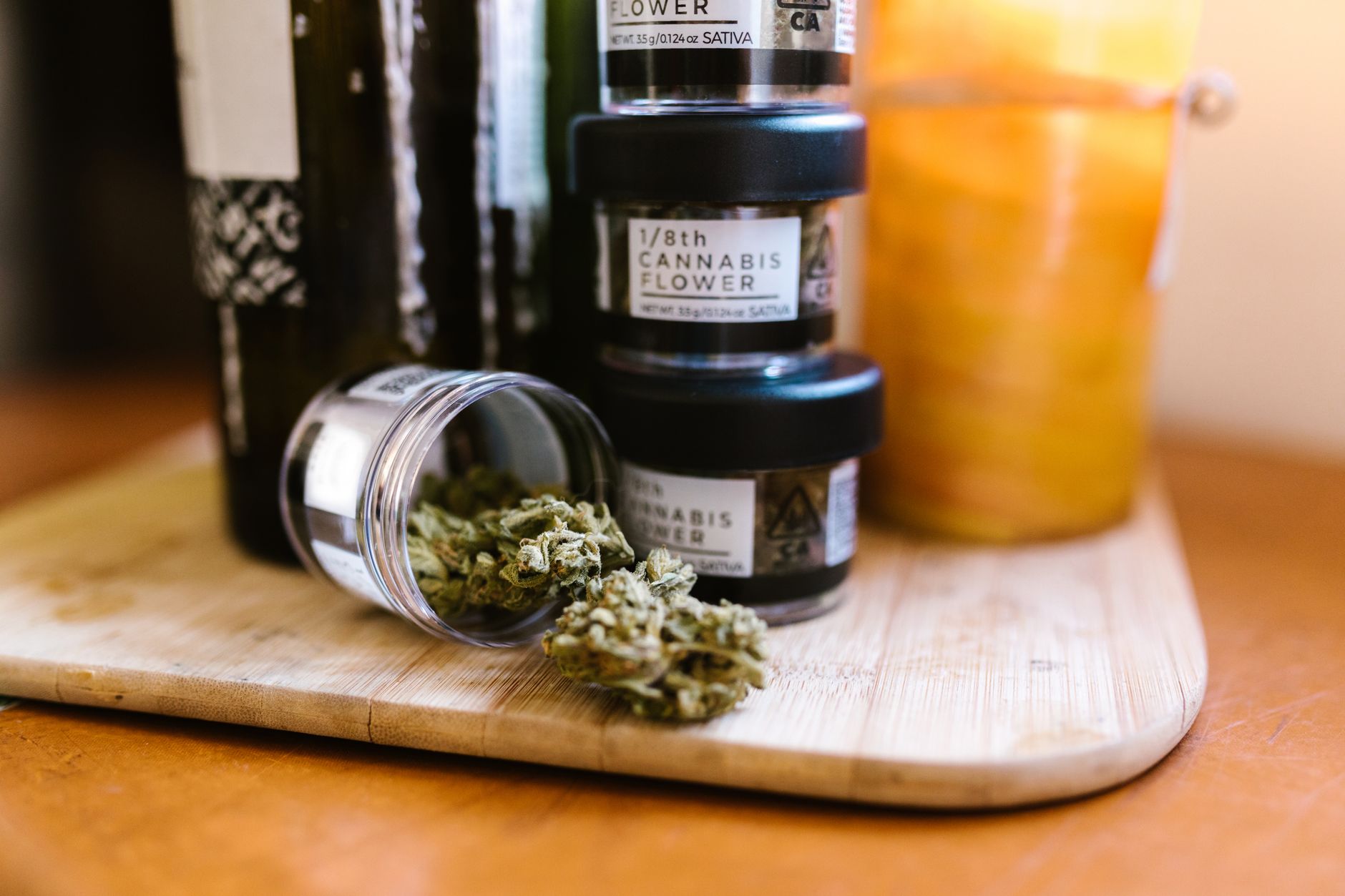
Cannabis buds in glass jars on a wooden board indoors with soft lighting.Photo: RDNE Stock project / Pexels

Medical Marijuana Card Requirements California: Your Complete Guide

Unlock access to medical cannabis in California by understanding every step, eligibility criteria, and benefit with this definitive resource.

Get Your Card Now

Key Takeaways

  • ✓ California's Medical Marijuana Identification Card (MMIC) program is voluntary but offers significant benefits.
  • ✓ Adults 18+ can qualify with a physician's recommendation for a qualifying medical condition.
  • ✓ Minors can qualify with parental consent and a physician's recommendation.
  • ✓ The MMIC provides state-level protection and sales tax exemptions on medical cannabis purchases.

How It Works

1
Consult a Qualified Physician

Schedule an appointment with a California-licensed doctor to discuss your medical condition. The physician will determine if cannabis is an appropriate treatment.

2
Obtain a Physician's Recommendation

If approved, your doctor will provide a written recommendation for medical cannabis. This document is crucial for the next steps.

3
Complete the MMIC Application

Gather required documents, including your physician's recommendation, proof of residency, and identification. Submit your application to your county's MMIC program.

4
Receive Your MMIC

Once approved, your county will issue your official Medical Marijuana Identification Card. This card grants you legal access and benefits.

Understanding California's Medical Marijuana Identification Card (MMIC) Program

A collage of American culture with cannabis buds, matchsticks, and Los Angeles imagery on a wooden surface.Photo: RDNE Stock project / Pexels
Navigating the landscape of medical cannabis in California can sometimes feel complex, especially with the co-existence of both recreational and medicinal markets. The California Medical Marijuana Identification Card (MMIC) program, established under the Medical Marijuana Program Act (MMPA), serves a distinct and vital purpose for qualified patients. While Proposition 64 (the Adult Use of Marijuana Act) legalized recreational cannabis for adults 21 and over, the MMIC program remains a crucial pathway for those seeking cannabis for genuine medical reasons, offering specific protections and benefits not available to recreational users. It's essential to understand that obtaining a medical cannabis recommendation from a licensed physician is the fundamental first step, but the MMIC itself is an optional, state-issued identification card that formalizes your status as a medical patient within the state's system. Many patients wonder why they should bother with an MMIC when recreational cannabis is readily available. The answer lies in the tangible advantages it provides. Foremost among these is the exemption from state sales and use tax on medical cannabis purchases. This can amount to significant savings over time, especially for patients who rely on cannabis regularly for chronic conditions. Beyond financial savings, the MMIC offers enhanced legal protections. While recreational users are subject to certain possession limits (typically 1 ounce of flower or 8 grams of concentrate), MMIC holders can possess larger quantities of cannabis, consistent with their physician's recommendation, provided it's for personal medical use. Furthermore, the MMIC can offer a degree of protection against arrest and prosecution under state law for cannabis-related activities that might otherwise be deemed illegal for non-patients. This is particularly relevant in situations where local ordinances might be stricter or where interactions with law enforcement occur. It's also worth noting that some licensed dispensaries and delivery services may offer preferential treatment, such as dedicated lines or special discounts, to MMIC holders, acknowledging their status as legitimate medical users. The program is administered at the county level, meaning you will apply through your local county health department. This localized approach ensures that the program is accessible across the state, though the specific application process and processing times can vary slightly from one county to another. Despite these variations, the core medical marijuana card requirements California remain consistent statewide. Understanding these nuances is crucial for any patient considering the MMIC. It’s not just about getting access to cannabis; it’s about securing your rights, minimizing costs, and ensuring a smoother, more protected experience within California’s cannabis framework. This voluntary program is designed to support patient access and provide a clear, verifiable identification for those who genuinely need cannabis for their health and well-being. This guide will delve deeper into each of these aspects, ensuring you have all the information needed to make an informed decision and successfully navigate the application process.

Eligibility Criteria: Who Qualifies for a California MMIC?

A doctor consults with a shirtless man in a clinical setting. Healthcare interaction.Photo: RDNE Stock project / Pexels
Before embarking on the application journey, it's crucial to understand the foundational eligibility criteria for obtaining a Medical Marijuana Identification Card (MMIC) in California. The state has established clear guidelines to ensure that the program serves its intended purpose: providing relief to individuals with legitimate medical needs. The primary requirement is that you must be a California resident. This means you need to provide proof of residency, typically through a California driver's license, state ID card, or other official documents like utility bills or rental agreements in your name. This ensures that the program is utilized by those who live within the state's jurisdiction and are subject to its laws. Age is another critical factor. Adults aged 18 and older can apply for an MMIC independently. Minors under the age of 18 can also qualify, but their application requires the consent of a parent or legal guardian. In such cases, the parent or legal guardian must act as the primary caregiver, be listed on the MMIC application, and be responsible for managing the minor's medical cannabis use. This adds an extra layer of parental involvement and oversight, ensuring the minor's best interests are protected. The most significant eligibility criterion, however, revolves around your medical condition. To qualify for an MMIC, you must have a qualifying medical condition and obtain a recommendation from a California-licensed physician. The physician must determine, in their professional medical judgment, that the medical use of cannabis is appropriate for your condition. California law broadly defines qualifying conditions, which include, but are not limited to: severe chronic pain, cancer, anorexia, AIDS, glaucoma, arthritis, migraine, spasticity, and any other chronic or persistent medical symptom that either substantially limits the ability of the person to conduct one or more major life activities as defined in the Americans with Disabilities Act of 1990, or, if not alleviated, may cause serious harm to the patient's safety or physical or mental health. This broad definition allows physicians considerable discretion in recommending cannabis for a wide range of debilitating conditions. The physician's recommendation is not just a casual note; it must be a formal document from a licensed doctor who has conducted a bona fide medical examination and determined that cannabis is medically appropriate. Many patients opt for specialized cannabis clinics or telehealth services that connect them with doctors experienced in medical cannabis recommendations, as not all primary care physicians are comfortable providing these. It's important to be honest and thorough with your doctor about your medical history and symptoms to ensure an accurate assessment. Furthermore, while a physician's recommendation is mandatory, having a primary caregiver is optional for adult patients. However, if you are unable to obtain or administer your own medical cannabis, you may designate a primary caregiver who is at least 18 years old and consistently responsible for your housing, health, or safety. This caregiver will also be issued an MMIC. Understanding these prerequisites is the first step toward a successful MMIC application, ensuring you meet all the necessary medical marijuana card requirements California before proceeding. By confirming your eligibility upfront, you can streamline the entire process and avoid potential delays or rejections.

The Application Process: Step-by-Step Guide to Getting Your MMIC
A close-up image of cannabis buds in a glass container on a desk, emphasizing a natural and relaxed setting.Photo: Yash Lucid / Pexels
Once you've confirmed your eligibility and secured a physician's recommendation, the next phase involves navigating the official application process for your Medical Marijuana Identification Card (MMIC) in California. This process is handled by your local county's health department, and while specific nuances might exist between counties, the general steps and required documentation are consistent statewide. The first critical step is to gather all necessary documents. This typically includes: your original physician's recommendation (a copy will not suffice); a valid government-issued identification, such as a California driver's license or state ID card, or other acceptable proof of identity; and proof of residency in the county where you are applying, which could be a utility bill, rental agreement, or vehicle registration showing your current address. For minors, additional documents like birth certificates and caregiver identification will be required. It’s imperative that all documents are current and accurately reflect your information. After collecting your documents, you'll need to complete the official MMIC application form. This form is usually available online through your county's public health department website or can be picked up in person. Fill out the form completely and accurately, ensuring all sections are addressed. Any omissions or inaccuracies can lead to delays or rejection of your application. Pay close attention to sections requiring physician information and details about your qualifying medical condition. The next step is to schedule an appointment with your county's MMIC program. Some counties allow walk-ins, but scheduling an appointment is generally recommended to minimize wait times and ensure staff availability. During this appointment, you will submit your completed application form and all supporting documents. A county official will review your application for completeness and accuracy. They will verify your physician's recommendation by contacting the recommending doctor directly, which is why having an original recommendation is vital. This verification process can sometimes take a few days or even weeks, so patience is key. You will also be required to pay an application fee. The fee amount is set by the state but can be reduced or waived for Medi-Cal beneficiaries. It's important to inquire about the current fee structure and acceptable payment methods (e.g., cash, check, money order) with your specific county health department beforehand. Typically, the fee is non-refundable, even if your application is denied. As part of the application, you will have your photo taken at the county office for your MMIC. This photo will appear on your card, similar to a driver's license. Once all steps are completed and your application is approved, your county will mail your MMIC to you. The processing time can vary significantly, from a few weeks to a couple of months, depending on the county's workload and the efficiency of the verification process. It's advisable to apply well in advance if you have an immediate need. Once you receive your MMIC, keep it safe and carry it with you when purchasing or possessing medical cannabis, as it serves as your official proof of medical patient status. Remember, the MMIC is valid for one year from the date of issue and must be renewed annually by repeating a similar application process, including obtaining a new physician's recommendation. Staying organized and proactive throughout this process will ensure a smooth experience in obtaining your medical marijuana card requirements California.

Common Mistakes to Avoid and Tips for a Smooth MMIC Application

Bearded senior man with glasses holding a clipboard in a green field on a sunny day.Photo: Gustavo Fring / Pexels
Applying for your Medical Marijuana Identification Card (MMIC) in California, while straightforward in principle, can have its pitfalls. Being aware of common mistakes and following expert tips can significantly streamline your application process and prevent unnecessary delays or rejections. One of the most frequent errors applicants make is submitting incomplete or incorrect documentation. This includes forgetting to bring the *original* physician's recommendation – a copy simply won't do. Ensure your proof of residency is current and clearly shows your name and address matching your identification. Any discrepancies can flag your application for further scrutiny. Another common mistake is failing to verify the physician's license. While rare, a recommendation from a doctor not in good standing with the California Medical Board will invalidate your application. Always check the physician's license status before your consultation. Additionally, some applicants mistakenly believe their physician's recommendation alone acts as an MMIC. While it's the foundational document, it doesn't offer the same legal protections or tax exemptions as the state-issued card. The MMIC is a distinct, voluntary program. Not understanding the fee structure or payment methods for your specific county can also cause issues. Some counties are cash-only, while others accept checks or money orders. Always confirm this beforehand to avoid being turned away. For Medi-Cal beneficiaries, remember to inquire about fee reductions or waivers and bring proof of your Medi-Cal enrollment. Finally, underestimating processing times is a common oversight. The MMIC is not an instant card. Verification of your physician's recommendation and administrative processing take time, sometimes weeks or even months. Plan accordingly and apply well in advance of when you anticipate needing the card. Here are some invaluable tips for a smooth application:
  • Double-Check Everything: Before heading to your county health department, lay out all your documents and verify that everything is present, legible, and accurate.
  • Call Ahead: Contact your county's MMIC program office to confirm their hours, required documents, current fees, and acceptable payment methods. Ask about appointment requirements.
  • Be Honest with Your Doctor: Provide a complete and truthful medical history to your recommending physician. This ensures a proper medical evaluation and a legitimate recommendation.
  • Keep Copies: While you'll submit originals, always make copies of all documents for your personal records.
  • Understand the Benefits: Clearly knowing why you want an MMIC (e.g., tax exemption, increased possession limits, legal protection) can help you articulate your needs if questions arise.
  • Plan for Renewal: MMICs are valid for one year. Mark your calendar and start the renewal process (including getting a new physician's recommendation) several weeks before your card expires to maintain uninterrupted access.
  • Carry Your MMIC: Once issued, always have your MMIC with you when acquiring, possessing, or transporting medical cannabis. It is your official proof of patient status.
By proactively addressing these points, you can significantly increase the likelihood of a swift and successful MMIC application, ensuring you meet all medical marijuana card requirements California with ease.

Comparison

FeatureMMIC HolderRecreational User (21+)Non-MMIC Patient (with Rec)
State Sales Tax Exemption
Possession LimitsHigher (as per rec)1 oz flower / 8g conc.1 oz flower / 8g conc.
Cultivation Limits (Personal)Higher (as per rec)6 plants (indoor)6 plants (indoor)
Purchase LimitsHigher (as per rec)1 oz flower / 8g conc.1 oz flower / 8g conc.
Legal ProtectionsStronger state-levelBasic state-levelLimited state-level
Access to DispensariesMedical & RecreationalRecreational OnlyMedical & Recreational
CostApplication fee + doctor feeProduct cost onlyDoctor fee + product cost

What Our Readers Say

5 ★★★★★

"Getting my medical marijuana card in California was surprisingly straightforward thanks to clear guidelines. The tax savings alone make it worth the annual renewal."

5 ★★★★★

"The process outlined for medical marijuana card requirements California was exactly what I needed. I got my card within a month and now feel much more secure with my cannabis use."

5 ★★★★★

"I was hesitant, but after following the steps for medical marijuana card requirements California, I received my MMIC. The increased possession limits are a huge relief for my chronic condition."

4 ★★★★☆

"The application process for the MMIC was a bit slow in my county, but ultimately I got my card. The benefits, especially the tax exemption, are definitely worth the wait."

5 ★★★★★

"As a caregiver for my elderly mother, understanding the medical marijuana card requirements California was essential. The process for designating a caregiver was clear, and now we both feel more protected."

Frequently Asked Questions

What are the most common medical marijuana card requirements California?
The most common requirements include being a California resident, having a qualifying medical condition, and obtaining a written recommendation from a California-licensed physician. You'll also need a valid ID and proof of residency for your county application.
Do I really need an MMIC if recreational cannabis is legal in California?
While recreational cannabis is legal, an MMIC offers significant benefits like exemption from state sales and use tax, increased possession and cultivation limits, and enhanced legal protections under state law. It formalizes your status as a medical patient.
How do I find a doctor who can recommend medical cannabis in California?
You can find licensed physicians specializing in medical cannabis recommendations through online services, dedicated cannabis clinics, or by asking for referrals. Ensure the doctor is licensed by the Medical Board of California.
What is the cost associated with obtaining a California MMIC?
Costs typically include a physician consultation fee (which varies) and a state application fee to your county health department (around $100, often reduced or waived for Medi-Cal beneficiaries). These fees are generally non-refundable.
What's the difference between a doctor's recommendation and the MMIC?
A doctor's recommendation is a written statement from a physician allowing you to use medical cannabis. The MMIC is a state-issued identification card that verifies your status as a medical patient, providing legal protections and tax benefits not available with just a recommendation.
Who should consider getting a medical marijuana card in California?
Anyone with a qualifying medical condition who uses cannabis for therapeutic purposes, especially those who consume regularly, seek tax savings, desire higher possession/cultivation limits, or wish for stronger legal protections under state medical cannabis laws should consider getting an MMIC.
Are there any risks or downsides to getting an MMIC in California?
The primary 'downside' is the annual cost and time commitment for renewal. While federal law still prohibits cannabis, having an MMIC provides state-level protection. Potential risks include federal employment implications or certain housing restrictions, though these are becoming less common.
Will the MMIC program be phased out as recreational cannabis becomes more widespread?
While the recreational market has grown, the MMIC program is likely to remain in place as long as the state recognizes distinct medical needs for cannabis. It provides specific patient protections and benefits that the recreational market does not, ensuring its continued relevance for qualified patients.

Ready to unlock the full benefits of medical cannabis in California? Understanding the medical marijuana card requirements California is your first step. Take control of your health and secure your legal access today by starting your MMIC application process.

Topics: medical marijuana card requirements CaliforniaCalifornia MMJ cardcannabis patient Californiamedical cannabis eligibilityhow to get medical marijuana card