Navigating Legal States for Recreational Cannabis
August 31, 2026 17 min read 3,471 words
Unravel the complexities of cannabis legality across the US and discover where you can legally partake.
Explore Legal States Now
The Evolving Landscape of Cannabis Legalization in the US
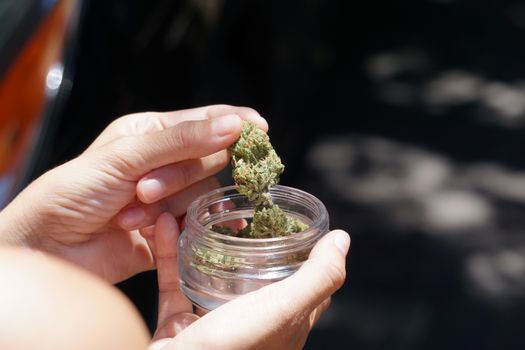 Photo: Elsa Olofsson / Pexels
The United States is experiencing a profound shift in its approach to cannabis, moving away from decades of prohibition towards widespread legalization. This transformation is not uniform, however, resulting in a patchwork of state-specific laws that can be confusing to navigate. Understanding the current status of legal states for recreational cannabis requires a look at both the federal stance and the individual legislative efforts across the nation. While the federal government still classifies cannabis as a Schedule I controlled substance – placing it in the same category as heroin and LSD – a growing number of states have defied this classification, opting to legalize its recreational use for adults 21 and over. This creates a fascinating legal tension, where state-legal cannabis businesses operate under the constant shadow of federal illegality, though federal enforcement against state-legal operations has largely been de-prioritized in recent years. The impetus for this shift is multifaceted, driven by changing public opinion, the desire for new tax revenues, and a growing recognition of the social justice implications of past drug policies. States like Colorado and Washington were pioneers in this movement, legalizing recreational cannabis in 2012 and paving the way for others. Their early successes in generating significant tax revenue and demonstrating a relatively smooth transition to a regulated market provided a blueprint for subsequent states. As more states have joined their ranks, the industry has matured, bringing with it rigorous testing standards, product labeling requirements, and strict seed-to-sale tracking systems designed to ensure consumer safety and prevent diversion. This complex interplay of federal and state law means that while you might be able to legally purchase and consume cannabis in one state, simply crossing a state line could put you in violation of federal law, or the laws of a neighboring state. This guide aims to demystify this landscape, providing a clear overview of where recreational cannabis is legal, what the general rules are, and what to look out for to ensure a compliant and enjoyable experience. The conversation around cannabis legalization continues to evolve, with ongoing efforts at the federal level to reform drug laws, including proposals for decriminalization or full descheduling. However, until such federal reforms are enacted, the state-by-state approach remains the primary framework for understanding legal access to
cannabis. This means staying informed about local regulations is paramount for anyone interested in recreational cannabis. Each new state that legalizes contributes to a larger national dialogue, pushing the boundaries of what was once considered taboo and reshaping public policy.
A Comprehensive List of Legal States for Recreational Cannabis and Their Key Regulations
As of early 2024, a significant portion of the United States has embraced recreational cannabis legalization, with more states actively considering similar measures. This section provides an in-depth look at the states where recreational cannabis is legal, outlining some of the key regulations you need to be aware of. It's crucial to remember that while the act of legalization is common, the specific rules and nuances can vary dramatically from one state to another. For instance, possession limits, home cultivation allowances, and even the types of products available can differ. Always consult the official state government websites for the most up-to-date and precise information.
**Key Legal States (and Territories) for Recreational Cannabis:**
* **Alaska:** Legalized in 2014. Adults 21+ can possess up to 1 ounce of flower and grow up to six plants (three mature, three immature) at home. Public consumption is illegal.
* **Arizona:** Legalized in 2020. Adults 21+ can possess up to 1 ounce of flower (with up to 5 grams of concentrate) and cultivate up to six plants at home (12 per household). Public consumption is prohibited.
* **California:** Legalized in 2016. Adults 21+ can possess up to 1 ounce of flower and 8 grams of concentrate. Home cultivation of up to six plants is permitted. Public consumption remains illegal.
* **Colorado:** Legalized in 2012. Adults 21+ can possess up to 1 ounce of flower. Home cultivation of up to six plants (three mature) is allowed per person, with a maximum of 12 plants per residence. Public consumption is largely prohibited.
* **Connecticut:** Legalized in 2021. Adults 21+ can possess up to 1.5 ounces on their person and up to 5 ounces in a locked container at home or in a vehicle. Home cultivation is permitted for medical patients and will be for recreational users starting July 1, 2023, up to three mature and three immature plants.
* **Delaware:** Legalized in 2023. Adults 21+ can possess up to 1 ounce of cannabis. Home cultivation is not permitted under current law.
* **Illinois:** Legalized in 2020. Residents 21+ can possess up to 30 grams of flower, 500mg of THC in edibles, and 5 grams of concentrate. Non-residents can possess half these amounts. Home cultivation is restricted to medical patients.
* **Maine:** Legalized in 2016. Adults 21+ can possess up to 2.5 ounces of flower and grow up to three mature plants, 12 immature plants, and unlimited seedlings. Public consumption is illegal.
* **Maryland:** Legalized in 2023. Adults 21+ can possess up to 1.5 ounces of cannabis flower, 12 grams of concentrated cannabis, or cannabis products containing up to 750 mg of THC. Home cultivation of up to two plants is allowed.
* **Massachusetts:** Legalized in 2016. Adults 21+ can possess up to 1 ounce on their person and up to 10 ounces at home. Home cultivation of up to six plants (12 per household) is permitted. Public consumption is prohibited.
* **Michigan:** Legalized in 2018. Adults 21+ can possess up to 2.5 ounces of flower on their person and up to 10 ounces at home. Home cultivation of up to 12 plants is allowed. Public consumption is generally illegal.
* **Minnesota:** Legalized in 2023. Adults 21+ can possess up to 2 ounces of cannabis flower, 8 grams of concentrate, and 800 milligrams of edibles. Home cultivation of up to 8 plants (4 mature) is permitted.
* **Missouri:** Legalized in 2022. Adults 21+ can possess up to 3 ounces of flower. Home cultivation of up to six flowering plants, six non-flowering plants, and six clones is allowed for those with a cultivation card.
* **Montana:** Legalized in 2020. Adults 21+ can possess up to 1 ounce of flower and grow up to two mature and two immature plants at home. Public consumption is illegal.
* **Nevada:** Legalized in 2016. Adults 21+ can possess up to 1 ounce of flower or 1/8 ounce of concentrate. Home cultivation of up to six plants (12 per household) is allowed only if there isn't a retail dispensary within 25 miles.
* **New Jersey:** Legalized in 2020. Adults 21+ can possess up to 6 ounces of cannabis flower or its equivalent. Home cultivation is currently not permitted.
* **New Mexico:** Legalized in 2021. Adults 21+ can possess up to 2 ounces of flower and cultivate up to six mature and six immature plants at home. Public consumption is generally prohibited.
* **New York:** Legalized in 2021. Adults 21+ can possess up to 3 ounces of flower and 24 grams of concentrate. Home cultivation will be permitted for up to three mature and three immature plants per person (up to six mature and six immature per household) once regulations are finalized.
* **Ohio:** Legalized in 2023. Adults 21+ can possess up to 2.5 ounces of cannabis and 15 grams of concentrate. Home cultivation of up to six plants per person (maximum 12 plants per household) is allowed.
* **Oregon:** Legalized in 2014. Adults 21+ can possess up to 1 ounce of flower on their person and 8 ounces at home. Home cultivation of up to four plants per residence is allowed. Public consumption is illegal.
* **Rhode Island:** Legalized in 2022. Adults 21+ can possess up to 1 ounce of cannabis on their person and 10 ounces at home. Home cultivation of up to three mature and three immature plants is permitted.
* **Vermont:** Legalized in 2018 (recreational sales began in 2022). Adults 21+ can possess up to 1 ounce of flower and cultivate up to two mature and four immature plants at home. Public consumption is illegal.
* **Virginia:** Legalized in 2021. Adults 21+ can possess up to 1 ounce of flower and cultivate up to four plants per household. Retail sales are not yet fully implemented.
* **Washington:** Legalized in 2012. Adults 21+ can possess up to 1 ounce of flower, 16 ounces of cannabis-infused solids, 72 ounces of cannabis-infused liquids, or 7 grams of concentrate. Home cultivation is currently illegal for recreational users.
* **Washington D.C.:** Legalized in 2014. Adults 21+ can possess up to 2 ounces of flower and cultivate up to six plants (three mature) at home. Retail sales are not permitted, but a 'gifting' economy exists.
* **Guam, Northern Mariana Islands, U.S. Virgin Islands:** These U.S. territories have also legalized recreational cannabis, with varying regulations regarding possession and sales.
This list highlights the diversity in legislative approaches even among states that have legalized. It underscores the importance of granular research for anyone planning to interact with the cannabis market, whether as a resident or a visitor. The trend towards legalization is strong, but the specifics are where the legal distinctions truly lie. Always prioritize compliance to ensure a safe and lawful experience.
Navigating the Nuances: What to Know Before You Go (or Grow)
While the growing number of legal states for recreational cannabis offers exciting opportunities for consumers, it also presents a complex landscape that demands careful navigation. Simply knowing a state has legalized isn't enough; understanding the nuances of its specific laws is crucial to avoid legal pitfalls. One of the most common misconceptions revolves around public consumption. In nearly all legal states, consuming cannabis in public places, including sidewalks, parks, and even in a car (even if parked), remains illegal. Think of it like alcohol: you can buy it and consume it responsibly in private, but you can't typically wander down the street with an open container. Violating public consumption laws can lead to fines, citations, or even arrest, so always prioritize private spaces for consumption.
Another critical area of variation is possession limits. These limits are not arbitrary; they are set by state legislatures based on various factors, and exceeding them can lead to serious consequences, including felony charges in some instances. These limits often differentiate between cannabis flower, concentrates (like wax or shatter), and edibles, so be sure to understand the specific weight or THC content limits for each type of product. For example, 1 ounce of flower might be legal, but that doesn't mean an equivalent weight in concentrates is also permitted.
Home cultivation is another aspect that varies widely. Some states enthusiastically embrace personal cultivation, allowing individuals to grow a certain number of plants for personal use, while others strictly prohibit it, reserving cultivation for licensed commercial operations only. If you're considering growing your own, thoroughly research your state's laws regarding plant limits, visibility from public spaces, and even restrictions on growing near schools or other sensitive areas. Failing to adhere to these rules can result in fines, confiscation of plants, and potential criminal charges.
Traveling with cannabis presents another significant challenge. Even if you're traveling between two states where recreational cannabis is legal, transporting cannabis across state lines is a federal offense. Federal law governs interstate commerce, and since cannabis is federally illegal, crossing a state border with it can lead to charges under federal statutes. This applies whether you're driving, flying, or using any other form of transportation. Similarly, bringing cannabis onto federal lands, such as national parks or forests, is illegal regardless of the state's laws, as federal jurisdiction applies.
Finally, the purchasing process itself has regulations. Most states require buyers to be 21 or older and present a valid government-issued ID. You can only purchase from state-licensed dispensaries, which are regulated to ensure product safety, quality, and accurate labeling. Purchasing from unlicensed sources, often referred to as the 'black market,' carries significant risks, including exposure to untested products, pesticides, and other contaminants, not to mention the legal risks associated with supporting illegal operations. Always look for official licensing information displayed prominently in dispensaries. The cannabis industry is still relatively new and rapidly evolving, so staying informed about changes in local laws and regulations is an ongoing responsibility for any consumer. Reliable sources include state government cannabis control boards or commissions, which typically publish comprehensive guides and FAQs. Understanding these nuances ensures that your engagement with legal
cannabis is both enjoyable and fully compliant with the law.
Common Mistakes and Smart Practices in Legal Cannabis States
Navigating the landscape of legal states for recreational cannabis can be straightforward if you adhere to some fundamental smart practices and avoid common pitfalls. Even in states where cannabis is legal, there are still numerous ways to inadvertently break the law or compromise your safety and enjoyment. Understanding these can significantly enhance your experience.
**Common Mistakes to Avoid:**
* **Consuming in Public:** As reiterated, public consumption is almost universally illegal. Don't assume that because a state has legalized cannabis, you can light up anywhere. This includes parks, sidewalks, public transportation, and even private balconies visible from public spaces. Always find a private, legal space.
* **Driving Under the Influence:** Just like alcohol, driving while impaired by cannabis is illegal and dangerous. DUI laws apply to cannabis, and penalties are severe. Always arrange for a designated driver or use rideshare services if you plan to consume.
* **Buying from Unlicensed Sources:** The allure of a cheaper price or convenience might lead some to purchase from the black market. This is a significant risk. Unlicensed products are not tested for pesticides, heavy metals, or accurate THC content, posing serious health risks. Moreover, it's illegal and undermines the regulated market.
* **Exceeding Possession Limits:** Be meticulous about understanding and adhering to the legal possession limits for flower, edibles, and concentrates. Law enforcement can and will enforce these limits, and exceeding them can lead to criminal charges.
* **Transporting Across State Lines:** This cannot be stressed enough: do not take cannabis across state borders, even if both states have legalized it. Federal law applies at state lines, and you risk severe federal penalties.
* **Ignoring Local Zoning Laws for Cultivation:** If home cultivation is legal in your state, don't assume you can grow anywhere. Many states have specific rules about where plants can be located (e.g., not visible from public view), security measures, and distance from schools or parks.
* **Misunderstanding Edible Dosing:** Edibles can be potent and have delayed effects. A common mistake is consuming too much too quickly. Always start with a low dose (e.g., 2.5-5mg THC) and wait at least an hour, preferably two, before consuming more.
**Smart Practices for a Responsible Experience:**
* **Do Your Research:** Before visiting a new state or consuming cannabis, thoroughly research its specific laws. Official state government websites (e.g., state cannabis control board) are the best sources.
* **Purchase from Licensed Dispensaries:** Always look for dispensaries with proper state licensing. These establishments are regulated, ensuring product safety, quality, and accurate labeling.
* **Carry Your ID:** You will be asked for a valid government-issued ID proving you are 21 or older at every dispensary.
* **Consume Responsibly:** Start low and go slow, especially with edibles. Understand your tolerance and never pressure others to consume more than they are comfortable with.
* **Store Safely:** Keep cannabis products in child-resistant packaging, out of reach of children and pets. Labeling should be clear and descriptive.
* **Be Discreet:** Even in legal states, discretion is appreciated. Avoid drawing undue attention to your cannabis use.
* **Understand Landlord/Employer Rules:** If you rent, check your lease agreement regarding cannabis use. Employers may also have drug-free workplace policies, even in legal states.
By following these guidelines, you can safely and legally enjoy recreational cannabis in the states where it's permitted, contributing to a responsible and respectful cannabis culture.