✓ Indica is generally associated with relaxing, full-body effects.
✓ Sativa is typically linked to uplifting, cerebral, and energizing effects.
✓ The 'entourage effect' suggests cannabinoids and terpenes work synergistically.
✓ Many modern strains are hybrids, blending indica and sativa characteristics.
✓ Personal body chemistry significantly influences how cannabis affects an individual.
How It Works
1
Understand the Basics
Familiarize yourself with the traditional classifications of Indica and Sativa. Learn their historical origins and the general expectations associated with each type.
2
Decipher Cannabinoids & Terpenes
Delve deeper than just 'Indica' or 'Sativa' by understanding the roles of compounds like THC, CBD, and various terpenes. These molecules are the true drivers of specific effects.
3
Consider Your Desired Outcome
Identify what you hope to achieve with cannabis, whether it's relaxation, pain relief, creativity, or energy. This clarity will guide your strain selection.
4
Experiment and Observe
Start with small doses of different strains and carefully note their effects on your body and mind. Keep a journal to track personal responses and refine your preferences.
Deconstructing the Indica vs. Sativa Dichotomy: Beyond the Basics
Photo: Elsa Olofsson / Pexels
For decades, the cannabis world has largely operated under a simplified dichotomy: Indica for relaxation and Sativa for invigoration. While this framework offers a convenient starting point, modern science and user experience reveal a much more complex reality. The traditional understanding stems from the physical characteristics of the plants themselves. Indica plants, originating from harsher, mountainous climates like the Hindu Kush region, are typically shorter, bushier, and have broader leaves. Sativa plants, native to equatorial regions, are taller, lankier, and possess narrower leaves. These morphological differences were once thought to directly correlate with their psychoactive effects. However, recent research suggests that the terms 'Indica' and 'Sativa' are better indicators of a plant's physical growth pattern rather than its chemical profile or the effects it will produce. The true drivers of cannabis effects are the complex interplay of cannabinoids, terpenes, and other compounds, often referred to as the 'entourage effect'.
Cannabinoids like THC (Tetrahydrocannabinol) and CBD (Cannabidiol) are the most well-known, but dozens of others, such as CBG, CBN, and THCV, also contribute to the overall experience. THC is primarily responsible for the psychoactive 'high,' while CBD is non-intoxicating and often associated with therapeutic benefits like anxiety reduction and pain relief. Terpenes, the aromatic compounds found in cannabis (and many other plants), play an equally crucial role. Limonene, for instance, is often found in uplifting Sativas and has a citrusy scent, while Myrcene, common in many Indicas, has earthy notes and is thought to contribute to sedative effects. Pinene smells like pine and can aid focus, while Caryophyllene, found in black pepper, interacts with the body's endocannabinoid system and may offer anti-inflammatory properties. The specific combination and ratios of these compounds, rather than the plant's classification as Indica or Sativa, are what truly dictate the nuanced effects. Therefore, when approaching the indica vs sativa effects comparison, it's essential to look beyond the labels and delve into the chemical makeup of individual strains. Understanding these underlying mechanisms allows for a more informed and personalized cannabis experience. Many dispensaries now provide detailed lab reports listing cannabinoid and terpene profiles, empowering consumers to make choices based on science rather than outdated generalizations. This shift in understanding is crucial for both recreational users seeking specific moods and medicinal patients looking for targeted relief. For more on the science behind cannabis, explore our guide on the endocannabinoid system.
The Traditional Indica Experience: Relaxation and Body-Focused Effects
Photo: Pavel Danilyuk / Pexels
Traditionally, Indica strains have been synonymous with deep relaxation, often described as a 'body high.' Users typically report feelings of sedation, muscle relaxation, and an overall sense of calm. This makes Indica a popular choice for evening use or for individuals seeking relief from physical discomfort. The common perception is that Indica helps unwind after a long day, promotes sleep, and can alleviate chronic pain, muscle spasms, and anxiety. The sedative qualities are often attributed to a higher concentration of the terpene Myrcene, which is prevalent in many Indica-dominant strains. Myrcene is known for its earthy, musky aroma and is believed to increase the permeability of the blood-brain barrier, potentially allowing cannabinoids like THC to be absorbed more efficiently and produce a more pronounced sedative effect.
Beyond Myrcene, other terpenes found in Indicas, such as Linalool (floral scent, also found in lavender) and Caryophyllene (spicy, peppery), may also contribute to their calming properties. Linalool is well-known for its anxiolytic and sedative effects, while Caryophyllene, uniquely, acts as a cannabinoid, binding to CB2 receptors in the endocannabinoid system, which are primarily located in the peripheral nervous system and immune cells. This interaction can contribute to anti-inflammatory and pain-relieving effects without causing a psychoactive high. When considering an indica vs sativa effects comparison for therapeutic purposes, Indica strains are frequently recommended for conditions that benefit from relaxation and pain management. These include insomnia, chronic pain, muscle spasticity, and stress-related disorders. While the 'couch-lock' stereotype is often associated with Indicas, it's important to remember that not all Indica-dominant strains will produce extreme sedation. The intensity of effects can vary widely based on the specific cannabinoid and terpene profile, as well as the individual's tolerance and metabolism. Starting with a low dose and gradually increasing it is always advisable to gauge personal response. Understanding the nuances of Indica effects allows users to tailor their choices for optimal comfort and relief, moving beyond simple labels to truly appreciate the plant's potential.
The Traditional Sativa Experience: Upliftment and Cerebral Stimulation
Photo: Terrance Barksdale / Pexels
Sativa strains are traditionally celebrated for their uplifting, energizing, and cerebral effects. Users often report a heightened sense of creativity, focus, and an overall mood boost. The 'head high' associated with Sativas can be invigorating, making them a preferred choice for daytime use, social gatherings, or activities that require mental engagement. The stimulating qualities are often linked to terpenes like Limonene, Pinene, and Terpinolene. Limonene, with its distinct citrus aroma, is believed to elevate mood, reduce stress, and may even possess anti-depressant properties. Pinene, known for its fresh pine scent, is thought to promote alertness, improve memory, and counteract some of the short-term memory impairment associated with THC. Terpinolene, which has a complex floral and woody aroma, is often found in strains that produce an uplifting and euphoric effect. These terpenes, in conjunction with cannabinoids, create a synergistic effect that defines the typical Sativa experience.
Unlike Indicas, which might lead to sedation, Sativas are generally associated with a more active and stimulating experience. This makes them popular among artists, writers, and those seeking to enhance their focus or alleviate symptoms of fatigue and depression. The energizing properties can be particularly beneficial for individuals dealing with conditions like ADHD or chronic fatigue syndrome, where a boost in concentration and energy is desired. However, it's important to note that for some individuals, the stimulating effects of certain Sativa strains can lead to anxiety or paranoia, especially at higher doses. This is often due to a higher THC content combined with specific terpene profiles that might overstimulate the mind. When conducting an indica vs sativa effects comparison, users seeking mental clarity, creativity, or a daytime energy boost will often gravitate towards Sativa-dominant varieties. However, as with Indicas, the actual effects are highly dependent on the strain's unique chemical composition and individual body chemistry. Always consult detailed strain information and start with a low dose to understand your personal reaction to a new Sativa strain. Exploring the world of cannabis, including its various forms and applications, can further enhance your understanding; for more insights, refer to our article on the benefits of medical cannabis.
Navigating the Hybrid Landscape and Choosing Your Ideal Strain
Photo: Terrance Barksdale / Pexels
The cannabis market today is dominated by hybrid strains, which blend the characteristics of both Indica and Sativa. These hybrids are cultivated to offer a more balanced experience, allowing for a nuanced control over effects that pure Indicas or Sativas might not provide. Hybrids can be Indica-dominant, Sativa-dominant, or perfectly balanced, offering a spectrum of effects that cater to a wider range of preferences and needs. For example, an Indica-dominant hybrid might offer profound body relaxation with a touch of mental uplift, while a Sativa-dominant hybrid could provide energy and focus without excessive anxiety. Balanced hybrids aim to deliver the best of both worlds – a calming body sensation paired with a clear-headed, mood-enhancing experience. This makes the indica vs sativa effects comparison less about a binary choice and more about understanding the specific profile of a hybrid.
When choosing your ideal strain, consider the following:
* **Desired Effects:** What mood or physical sensation are you aiming for? Relaxation, pain relief, energy, creativity, sleep, or social enhancement?
* **Time of Day:** Are you consuming during the day when you need to be productive, or in the evening for winding down?
* **Cannabinoid Profile:** Look beyond THC. What are the CBD, CBG, or CBN levels? High CBD can temper THC's psychoactive effects, making it smoother for some users.
* **Terpene Profile:** Pay attention to the dominant terpenes. Limonene for uplift, Myrcene for relaxation, Pinene for focus, Caryophyllene for anti-inflammatory effects. Many reputable dispensaries provide this information.
* **Personal Sensitivity:** Your body's unique endocannabinoid system will react differently. Start with a low dose and observe your reaction before increasing. Keep a journal to track what works best for you.
* **Method of Consumption:** Vaping, edibles, tinctures, and smoking all have different onset times and durations of effects, which can also influence your experience. For instance, edibles typically have a longer onset but more prolonged and intense effects.
By focusing on these factors, you can move beyond the simplistic Indica/Sativa labels and make truly informed decisions to find the cannabis strain that perfectly aligns with your personal goals and preferences.
Comparison
Feature
Indica (Traditional)
Sativa (Traditional)
Hybrids
Typical Effects
Relaxing, Sedative, 'Body High'
Energizing, Uplifting, 'Head High'
Balanced, Varies by Dominance
Best For
Evening use, Sleep, Pain Relief, Stress Reduction
Daytime use, Creativity, Focus, Mood Enhancement
Versatile, Tailored to Specific Needs
Common Terpenes
Myrcene, Linalool, Caryophyllene
Limonene, Pinene, Terpinolene
Mix of Indica/Sativa Terpenes
Plant Appearance
Short, Bushy, Broad Leaves
Tall, Lanky, Narrow Leaves
Variable
Potential Downsides
Sedation, 'Couch-lock'
Anxiety, Paranoia, Restlessness
Can lean too far one way for some
What Readers Say
★★★★★
"Understanding the indica vs sativa effects comparison transformed my cannabis use. I used to just pick randomly, but now I know exactly which strain will help me sleep soundly or give me energy for my creative projects. It's been a game-changer for my wellness routine."
Sarah J. · Denver, CO
★★★★★
"This guide was incredibly helpful. I always thought Indica was just for chilling, but learning about terpenes really opened my eyes. Now I can pinpoint exactly what I need for my chronic back pain versus when I want to feel more social and uplifted."
Mark D. · Portland, OR
★★★★★
"Before reading this, my anxiety sometimes spiked with Sativas. Now, thanks to understanding the terpene profiles and specific cannabinoid ratios in the indica vs sativa effects comparison, I choose hybrids with a balanced CBD/THC ratio and specific terpenes, resulting in a much smoother and more enjoyable experience every time."
Emily R. · Los Angeles, CA
★★★★★
"The article is comprehensive, though sometimes the nuanced differences between very similar strains can still be tricky to discern without direct experience. However, it's a fantastic foundation for anyone trying to navigate the complex world of cannabis effects."
David L. · Boston, MA
★★★★★
"As a medical patient, the indica vs sativa effects comparison is crucial. This guide helped me articulate my needs to my dispensary consultant, and together we found strains that effectively manage my nausea and improve my appetite without making me overly sedated during the day. Highly recommend this read!"
Jessica M. · Austin, TX
Frequently Asked Questions
What is the main difference in effects between Indica and Sativa?
Traditionally, Indica is associated with relaxing, sedative 'body highs' suitable for evening use and pain relief, while Sativa is linked to energizing, uplifting 'head highs' ideal for daytime use, creativity, and focus. However, modern understanding emphasizes that the specific cannabinoid and terpene profile of a strain dictates its effects more accurately than its Indica or Sativa classification alone.
Can Sativa make you anxious?
Yes, for some individuals, especially those sensitive to THC or prone to anxiety, high-THC Sativa strains can potentially induce feelings of anxiety, paranoia, or restlessness. This is often due to their stimulating cerebral effects. Opting for Sativa-dominant hybrids with balanced CBD levels or specific calming terpenes can help mitigate this.
How do I choose between Indica, Sativa, and Hybrid?
To choose, consider your desired outcome (relaxation, energy, pain relief), the time of day you'll be consuming, and your personal tolerance. Indicas are generally for winding down, Sativas for uplifting, and Hybrids offer a blend of effects. Always check the strain's specific cannabinoid and terpene profile, as these are the true indicators of its effects.
Is one type of cannabis more expensive than the other?
Generally, there isn't a significant price difference between Indica, Sativa, or Hybrid classifications based solely on their type. Price is more often determined by factors such as THC/CBD content, terpene richness, cultivation quality, brand reputation, rarity of the strain, and local market demand and regulations, rather than the genetic lineage alone.
Are 'Indica' and 'Sativa' scientifically accurate terms for effects?
While historically used, 'Indica' and 'Sativa' are increasingly considered less accurate for predicting effects. Scientific consensus is shifting towards focusing on the specific cannabinoid and terpene profiles (the 'chemotype') of individual strains, as these compounds are the true drivers of a strain's unique effects, rather than broad genetic classifications.
Who should primarily use Indica vs Sativa effects comparison?
Anyone looking to tailor their cannabis experience should use the indica vs sativa effects comparison, alongside understanding chemotypes. This includes recreational users seeking specific moods (e.g., relaxation for sleep, energy for socializing) and medical patients aiming for targeted relief from symptoms like pain, anxiety, or lack of appetite.
Are there any risks associated with choosing the wrong type?
Choosing a strain with effects opposite to your needs can lead to an undesirable experience. For example, using a highly stimulating Sativa before bed could cause insomnia, or using a very sedating Indica before an important task could impair focus. High doses of any strain, especially high-THC Sativas, can also trigger anxiety or paranoia in sensitive individuals.
What is the future of Indica vs Sativa classification?
The future of cannabis classification is moving beyond the simple Indica/Sativa labels towards a more scientific, chemotype-based system. Consumers will increasingly rely on detailed lab reports that outline specific cannabinoid and terpene profiles to understand and predict effects, allowing for highly personalized and informed choices about cannabis consumption.
Armed with this comprehensive indica vs sativa effects comparison, you're ready to explore the vast world of cannabis with confidence. Make informed choices, personalize your experience, and unlock the full potential of this remarkable plant for your well-being.
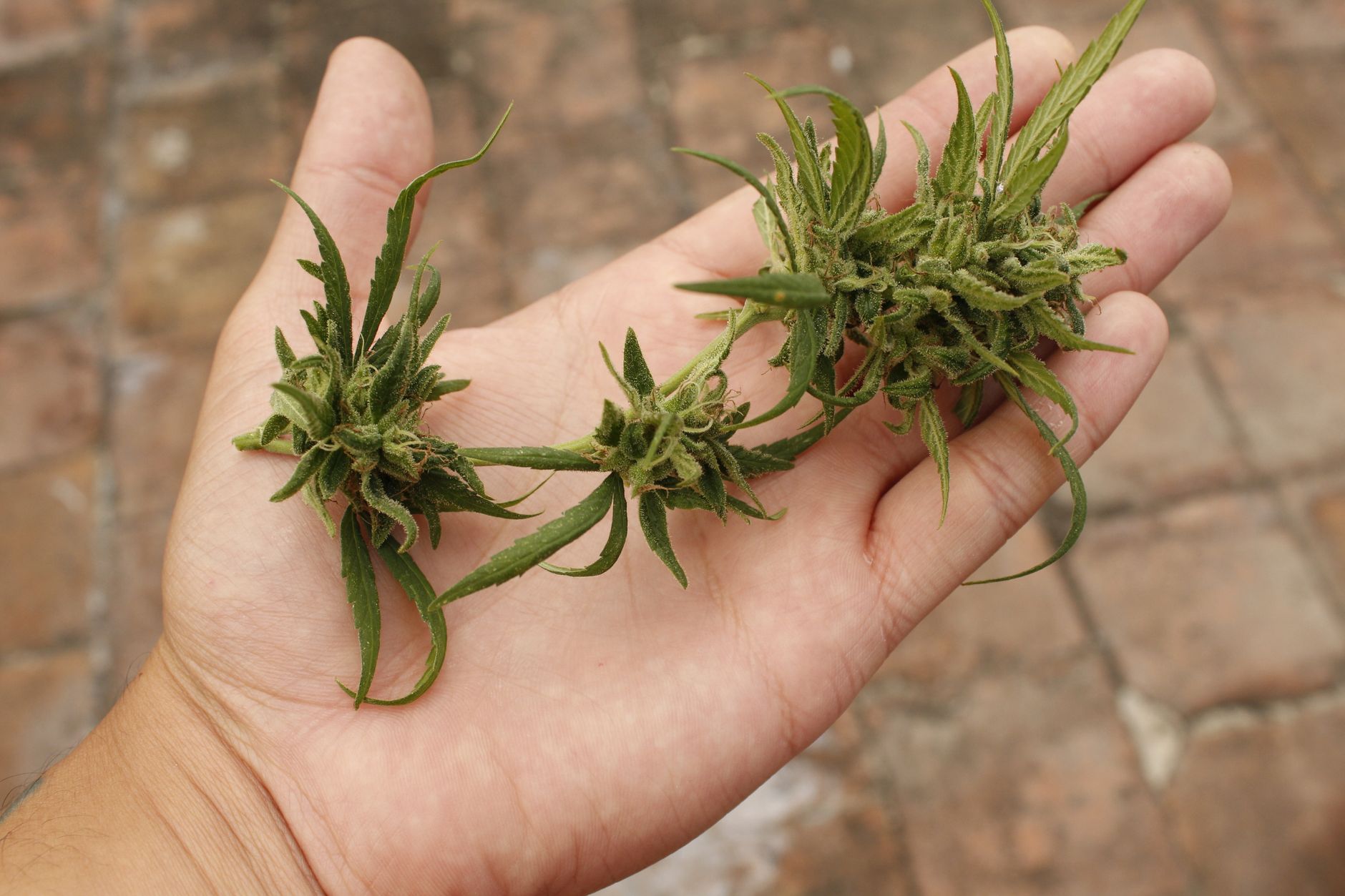
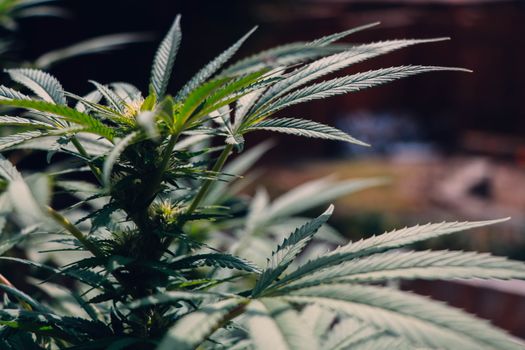 Photo: Elsa Olofsson / Pexels
 Photo: Pavel Danilyuk / Pexels
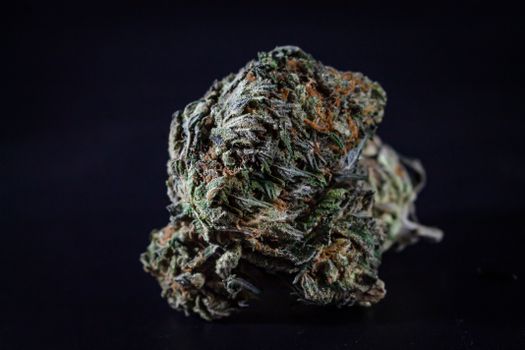 Photo: Terrance Barksdale / Pexels
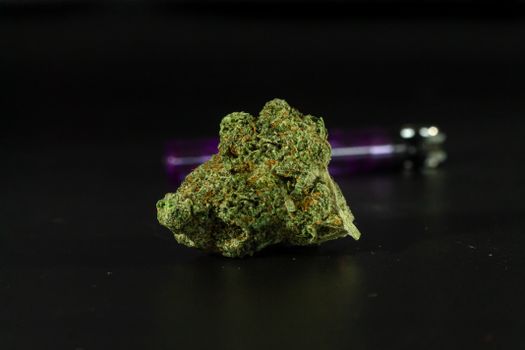 Photo: Terrance Barksdale / Pexels