
How to Get a Medical Marijuana Card: Your Complete Guide
Navigate the medical cannabis card application process with confidence and secure your path to legal relief.
Start Your Journey TodayKey Takeaways
- ✓ Medical marijuana is legal in most US states, but regulations vary significantly.
- ✓ A qualifying medical condition and a physician's recommendation are essential.
- ✓ The application process typically involves an online or in-person consultation, state registration, and a fee.
- ✓ Possessing an MMJ card offers legal protection and often access to higher-potency products and lower taxes.
How It Works
Before starting, research your specific state's medical marijuana program requirements, including qualifying conditions and reciprocity. This foundational step prevents wasted time and effort.
Schedule an appointment with a licensed doctor who is authorized to recommend medical cannabis. They will review your medical history and confirm if you have a qualifying condition.
Once you have a physician's recommendation, submit your application to your state's medical marijuana program, usually online. This involves providing documentation and paying a state fee.
After your application is approved, your medical marijuana card will be mailed to you or available digitally. You can then legally purchase cannabis from licensed dispensaries.
Understanding Medical Marijuana Laws Across the US
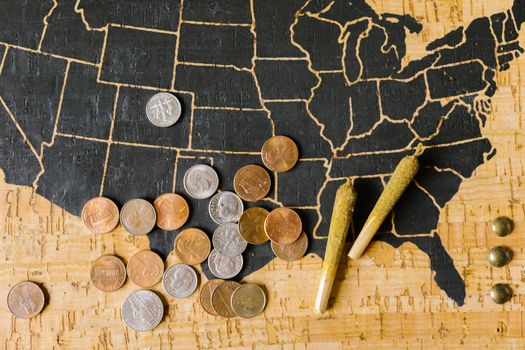 Photo: RDNE Stock project / Pexels
Each state's medical marijuana program is distinct, defining its own list of qualifying medical conditions, application procedures, patient registry systems, and even the types of cannabis products allowed. For example, some states may allow access to smokable flower, edibles, and concentrates, while others might restrict patients to only low-THC cannabis oil. The qualifying conditions also vary widely; common conditions like chronic pain, multiple sclerosis, cancer, epilepsy, and PTSD are widely accepted, but other conditions might only be recognized in a handful of states. Some states also include a catch-all provision, allowing physicians to recommend cannabis for any condition they believe it could alleviate.
Furthermore, states differ in their reciprocity policies. Reciprocity refers to whether a state recognizes medical marijuana cards issued by other states. A few states offer full reciprocity, allowing out-of-state patients to purchase cannabis from their dispensaries, while others offer limited reciprocity (e.g., only for a short period or for specific conditions), and many offer no reciprocity at all. This is a critical consideration for patients who travel frequently or reside near state borders.
Understanding these nuances is the first and most vital step in the process of how to get a medical marijuana card. It involves researching your state's official government website for its medical cannabis program, looking for details on patient eligibility, approved conditions, the application portal, and any current updates or changes to the law. Consulting with a local cannabis law expert or a reputable medical marijuana clinic can also provide invaluable guidance tailored to your specific situation. This initial research phase will arm you with the necessary knowledge to navigate the subsequent steps efficiently and legally, ensuring you avoid potential pitfalls and fully comply with state regulations. Explore state-specific cannabis laws here to get a clearer picture of your options.
Qualifying Medical Conditions and Physician Consultations
 Photo: RDNE Stock project / Pexels
The role of the physician in this process is paramount. Not just any doctor can recommend medical cannabis; states typically require the physician to be licensed within that state and, in many cases, to have registered with the state's medical marijuana program or completed specific training. The consultation process usually involves a thorough review of your medical history, current medications, and a physical examination. You will need to provide medical records that substantiate your qualifying condition, such as diagnostic reports, treatment histories, and previous physician's notes. This documentation is crucial as it provides the objective evidence required for the physician to confidently recommend cannabis as a treatment option.
During the consultation, the doctor will assess whether cannabis is an appropriate treatment for your condition, discussing potential benefits, risks, and different consumption methods. They are not prescribing cannabis in the traditional sense, but rather providing a written recommendation or certification that states you have a qualifying condition and could benefit from medical marijuana. This distinction is important due to federal prohibition. Many states now allow for telemedicine consultations, particularly since the COVID-19 pandemic, making it easier for patients in remote areas or those with mobility issues to access a qualified doctor. However, some states may still require an in-person visit for the initial consultation.
Choosing the right physician is also key. Look for doctors or clinics that specialize in cannabis recommendations, as they will be more knowledgeable about the plant's therapeutic uses and your state's specific requirements. They can also guide you through the complexities of the application process and help you gather the necessary medical documentation. Online platforms have emerged that connect patients with licensed physicians qualified to issue recommendations, streamlining the initial step of how to get a medical marijuana card. Ensuring you have a legitimate and well-documented medical history for your qualifying condition will make the physician consultation and subsequent state application much smoother and increase your chances of approval. This step is not merely a formality but a critical medical evaluation to ensure cannabis is a suitable and safe option for your health needs.
Navigating the State Application and Registration Process
Most states have transitioned to an online application portal, which streamlines the submission process. You will typically need to create an account, fill out an application form with your personal details (name, address, date of birth), and upload digital copies of required documents. These documents almost always include proof of residency (e.g., driver's license, state ID, utility bill), the physician's recommendation letter or certification, and sometimes a passport-style photo. Some states may also require additional forms, such as a caregiver application if you need someone to purchase or administer cannabis on your behalf.
The application fee is another common element of the registration process. These fees can range from a nominal amount to several hundred dollars, depending on the state. Some states offer reduced fees for veterans, individuals on government assistance programs, or those with financial hardship, so it's worth checking if you qualify for any waivers or discounts. Payment is usually accepted online via credit or debit card.
After submitting your application and all required documents, your application will undergo a review process by the state. The processing times can vary significantly, from a few days to several weeks or even months, depending on the state's administrative efficiency and current workload. During this period, the state may contact you for additional information or clarification if anything is missing or unclear in your submission. It's important to respond promptly to any such requests to avoid delays.
Upon approval, your medical marijuana card will be issued. In many states, this card is a physical ID card mailed to your address, similar to a driver's license. Some states also provide a temporary digital card or an immediate printable certificate that allows you to purchase cannabis while awaiting the physical card. The medical marijuana card typically has an expiration date, usually one year from issuance, requiring annual renewal. Renewals usually involve a new physician consultation and a resubmission of an application and fee, though the process is often simpler than the initial application. Learn more about the benefits of a medical cannabis card beyond legal access. This structured approach to the state application ensures you meet all legal requirements and receive your card efficiently, granting you legal access to medical cannabis dispensaries. Keep meticulous records of your application, including submission dates and confirmation numbers, for future reference.
Common Pitfalls and Pro Tips for a Smooth Application
**Common Pitfalls to Avoid:**
* **Incomplete Documentation:** One of the most frequent reasons for application delays or rejections is missing or insufficient medical records. Ensure you have all diagnostic reports, treatment histories, and physician notes proving your qualifying condition.
* **Incorrect State Residency Proof:** Using outdated or unaccepted forms of residency proof can halt your application. Always double-check your state's specific requirements for proof of residency.
* **Unqualified Physician:** Visiting a doctor not authorized or registered to recommend medical cannabis in your state will invalidate your recommendation. Confirm your physician's credentials beforehand.
* **Expired ID:** Ensure your state ID or driver's license is current and not expired, as this is a primary form of identification required.
* **Errors on Application Forms:** Simple typos or incorrect information can lead to processing delays. Review all forms meticulously before submission.
* **Ignoring Renewal Deadlines:** Medical marijuana cards have expiration dates. Failing to renew on time can result in a lapse in legal access.
**Pro Tips for a Smooth Application:**
* **Start Early:** Don't wait until the last minute. The process, especially the state review period, can take time.
* **Organize Your Documents:** Create a dedicated folder (digital and/or physical) for all your medical records, identification, and application forms. This makes uploading and referencing much easier.
* **Use Reputable Services:** If you opt for an online clinic to connect with a physician, choose one with strong reviews and a clear understanding of your state's laws.
* **Keep Copies of Everything:** Maintain copies of your physician's recommendation, your submitted application, payment receipts, and any correspondence with the state.
* **Follow Up (Politely):** If you haven't heard back within the stated processing time, a polite inquiry to your state's medical marijuana program can be helpful.
* **Understand Your Card's Limitations:** Be aware of possession limits, where you can legally consume, and any restrictions on cultivation or product types in your state.
* **Plan for Renewal:** Mark your calendar for your card's expiration date and start the renewal process several weeks in advance.
By being proactive and meticulous, you can significantly reduce the stress and potential setbacks in acquiring your medical marijuana card, ensuring a smooth and successful outcome.
Comparison
| Feature | Medical Marijuana Card | Recreational Cannabis (where legal) | Illicit Market |
|---|---|---|---|
| Legality | State-legal protection | State-legal, limited | Federally illegal, high risk |
| Qualifying Conditions | Required | Not required | Not required |
| Product Access | Broader range, higher potency | Limited potency/types | Unregulated |
| Taxation | Often lower sales tax | Higher sales tax | No tax (illegal) |
| Legal Protections | ✓ | ✓ (limited) | ✗ |
| Quality Control | Regulated, lab-tested | Regulated, lab-tested | ✗ |
| Possession Limits | Higher | Lower | Varies, high risk |
What Readers Say
"The guide on how to get a medical marijuana card was incredibly detailed and easy to follow. I had my card within three weeks, and the step-by-step instructions saved me so much hassle."
Sarah J. · Denver, CO"I was overwhelmed by the process, but this article broke down how to get a medical marijuana card into manageable steps. The tips for physician consultations were particularly helpful."
Mark D. · Phoenix, AZ"Thanks to this resource, I successfully obtained my MMJ card for chronic pain. The section on common pitfalls helped me avoid mistakes, and now I have legal access to the relief I need."
Emily R. · Miami, FL"While most of the information on how to get a medical marijuana card was spot on, I found the state-specific laws a bit tricky to navigate even with the guide. Still, it was an excellent starting point."
David L. · Boston, MA"As a caregiver, understanding how to get a medical marijuana card for my elderly mother was crucial. This guide explained the caregiver application process clearly, which was a huge relief."
Jessica M. · Los Angeles, CAFrequently Asked Questions
What are the most common qualifying conditions for a medical marijuana card?
While conditions vary by state, common qualifying conditions typically include chronic pain, cancer, epilepsy, multiple sclerosis, glaucoma, HIV/AIDS, Crohn's disease, and PTSD. Many states also include 'any other debilitating medical condition' as determined by a physician.
Is my medical information kept private when applying for an MMJ card?
Yes, your medical information related to your MMJ card application is protected under HIPAA (Health Insurance Portability and Accountability Act) and state privacy laws. This ensures your health data remains confidential and is not shared without your consent.
How do I find a doctor who can recommend medical marijuana?
You can find a qualified doctor through online medical marijuana clinics, state medical cannabis program websites, or by asking for referrals from trusted sources. Ensure the doctor is licensed in your state and registered to recommend cannabis.
What is the typical cost associated with getting a medical marijuana card?
The cost typically includes a physician consultation fee (ranging from $100-$300) and a state application fee (ranging from $50-$250). Some states offer reduced fees for qualifying individuals, so check your state's program for details.
How does a medical marijuana card differ from recreational cannabis access?
A medical marijuana card provides legal protection, often allows access to higher potency products, larger possession limits, and lower taxes than recreational cannabis. It also signifies a physician's recommendation for therapeutic use.
Who is eligible to apply for a medical marijuana card?
Eligibility generally requires you to be a resident of the state, be 18 years or older (minors can apply with parental consent in many states), and have a physician's certification for a state-approved qualifying medical condition.
Are there any risks or side effects associated with medical marijuana use?
Like any medication, medical marijuana can have side effects, including dizziness, dry mouth, increased heart rate, and impaired coordination. It's crucial to discuss potential risks and benefits with your recommending physician, especially concerning interactions with other medications.
Will medical marijuana be federally legal in the US soon?
While there's growing bipartisan support for federal cannabis reform, the exact timeline for federal legalization or descheduling remains uncertain. Many legislative efforts are underway, but predicting when they will pass is difficult.
Embarking on the journey of how to get a medical marijuana card can seem daunting, but with the right information and guidance, it's a straightforward process. Take control of your health and explore the therapeutic benefits of cannabis by securing your legal access today.