✓ Medical marijuana laws vary significantly by state.
✓ A qualifying medical condition is required in all legal states.
✓ Physician recommendation is a crucial step for card approval.
✓ Online consultations are increasingly common and convenient.
How It Works
1
Understand Your State's Laws
Before anything else, research the specific medical cannabis regulations in your state of residence. Each state has unique qualifying conditions, application procedures, and associated fees.
2
Consult a Qualified Physician
Schedule an appointment with a licensed doctor who is authorized to recommend medical cannabis. They will review your medical history and confirm if you meet the state's qualifying conditions.
3
Gather Necessary Documentation
Prepare your medical records, proof of residency, and a valid ID. Some states may require additional forms or photographs for your application submission.
4
Submit Your Application
Complete and submit your application to the state's medical marijuana program, often online. Pay any required state fees and await approval for your medical marijuana card.
Understanding Medical Marijuana Laws in Your State
Photo: RDNE Stock project / Pexels
Navigating the landscape of medical marijuana laws in the United States can feel like traversing a complex maze, as regulations vary dramatically from one state to another. There is no single, federal standard for cannabis use, even for medicinal purposes. This means that the first, and arguably most critical, step in learning how to get a medical marijuana card is to thoroughly understand the specific laws and requirements of your state of residence. Failing to do so can lead to delays, rejection of your application, or even legal complications.
Each state with a medical marijuana program has its own list of qualifying medical conditions. While some conditions, such as cancer, chronic pain, multiple sclerosis, and epilepsy, are commonly accepted across many states, others have more unique or expansive lists. For example, some states include conditions like anxiety, autism, or insomnia, while others do not. It is essential to check your state's official health department or medical cannabis program website to find the definitive list of approved conditions. Do not rely on general information or anecdotal evidence, as these can be outdated or inaccurate.
Beyond qualifying conditions, states also differ in their application processes, fees, patient possession limits, and whether caregivers are allowed. Some states require you to register with a state-run program, while others might issue a physical card directly. The validity period of the card, and the renewal process, also vary. Some states offer reciprocity, meaning they might recognize medical marijuana cards issued by other states, but this is not universal and often comes with specific restrictions, such as only applying to short-term visitors or specific product types. It is crucial to understand if your state offers reciprocity and under what circumstances.
Furthermore, the legal framework surrounding medical cannabis can be dynamic, with laws and regulations frequently updated or amended. Staying informed about the latest legislative changes in your state is vital. Many states provide online portals or dedicated helplines for their medical marijuana programs, which are excellent resources for accurate and up-to-date information. Joining patient advocacy groups or subscribing to local cannabis news outlets can also help you stay abreast of changes. This initial research phase is paramount and sets the foundation for a smooth and successful application process, ensuring you meet all prerequisites before investing time and money into doctor consultations and application fees. The more informed you are about your specific state's medical marijuana program, the better equipped you will be to navigate the journey of obtaining your medical marijuana card.
Consulting a Qualified Physician for Recommendation
Photo: RDNE Stock project / Pexels
Once you have a clear understanding of your state's medical marijuana laws and believe you meet the qualifying conditions, the next crucial step in how to get a medical marijuana card is to secure a recommendation from a qualified physician. This isn't just any doctor; in most states, the physician must be licensed within that state and, in many cases, registered with the state's medical marijuana program or specifically authorized to provide such recommendations. Some states even require doctors to undergo specific training or education on cannabis before they can recommend it.
The consultation process typically involves a thorough review of your medical history. You'll need to provide documentation that supports your qualifying condition, such as medical records, diagnostic test results, treatment history, and any other relevant health information. It's highly recommended to gather these documents before your appointment to ensure a smooth and efficient consultation. The physician will assess your condition, discuss potential risks and benefits of medical cannabis, and determine if it's an appropriate treatment option for you. They may also inquire about previous treatments you've tried and their effectiveness, as medical cannabis is often considered when conventional treatments have failed or produced intolerable side effects.
Finding a qualified physician can sometimes be a challenge. While some primary care doctors are open to discussing medical cannabis, many are not due to lack of training, personal reservations, or institutional policies. Fortunately, there are specialized clinics and online platforms dedicated to connecting patients with cannabis-recommending physicians. These services often streamline the process, providing lists of approved doctors or facilitating virtual consultations. Online consultations have become increasingly popular, especially in states where telemedicine is permitted for medical cannabis evaluations. This offers convenience and accessibility, particularly for individuals with mobility issues or those living in rural areas.
During the consultation, be prepared to discuss your symptoms openly and honestly. The physician needs a complete picture of your health to make an informed decision. They may also explain the different forms of medical cannabis available (e.g., flower, edibles, oils, topicals) and how they might be used to manage your specific condition. If the physician determines that medical cannabis is a suitable treatment, they will issue a written recommendation or certification. This document is not the medical marijuana card itself but is a critical piece of your application to the state's program. Without a valid physician's recommendation, your application will not proceed, highlighting the indispensable role of this step in the overall process.
Assembling Your Application and Submitting to the State
Photo: Sadi Hockmuller / Pexels
Once you have your physician's recommendation in hand, the next phase in how to get a medical marijuana card involves diligently assembling your application and submitting it to the appropriate state authority. This stage requires careful attention to detail, as any missing information or incorrect documentation can lead to delays or rejection. The specific governmental agency responsible for overseeing medical marijuana programs varies by state, but it is typically the state's Department of Health or a dedicated cannabis control board. Their official website will be your primary resource for application forms, detailed instructions, and submission guidelines.
The documentation required for your application generally includes several key components. First and foremost, you will need the physician's recommendation or certification. This document formally states that your doctor believes medical cannabis is an appropriate treatment for your qualifying condition. Next, proof of residency is universally required. This can be demonstrated through a valid state-issued ID (driver's license or state ID card), utility bills, or other official documents that clearly show your current address within the state. A valid government-issued identification, such as a driver's license or passport, is also necessary to confirm your identity.
Many states also require a recent photograph, often meeting specific passport-style photo requirements. Some applications may ask for medical records directly from your physician or require you to attest that you have a qualifying condition. It's crucial to follow the instructions precisely regarding how to submit these documents – whether they need to be uploaded digitally, mailed as physical copies, or brought in person. Some states have entirely online application portals, making the process more streamlined, while others still rely on paper forms.
Along with your documentation, you will need to pay a state application fee. These fees vary significantly, ranging from a nominal amount to several hundred dollars, and are typically non-refundable. It's important to be aware of the fee structure and payment methods accepted by your state's program. Some states offer reduced fees for individuals on specific assistance programs or veterans, so it's worth checking if you qualify for any discounts. After submitting your complete application and fee, the state agency will review your submission. This review period can range from a few days to several weeks, depending on the state and the volume of applications. During this time, the agency may contact you for additional information or clarification. Once approved, you will typically receive your medical marijuana card by mail or digitally, granting you legal access to medical cannabis dispensaries. This card is your official proof of patient status and must be presented when purchasing cannabis products from licensed facilities.
Common Pitfalls and Pro Tips for a Smooth Application
Obtaining a medical marijuana card, while increasingly straightforward, can still present challenges if not approached strategically. Being aware of common pitfalls and employing some pro tips can significantly smooth your application journey. One of the most frequent mistakes applicants make is not thoroughly researching their state's specific requirements. As detailed earlier, each state has unique qualifying conditions, documentation needs, and submission processes. Assuming that what applies in one state will apply in another is a recipe for delay. Always consult your state's official medical marijuana program website for the most accurate and up-to-date information.
Another common pitfall is insufficient medical documentation. Many applicants arrive at their physician consultation without adequate medical records to prove their qualifying condition. This often results in the doctor being unable to issue a recommendation, requiring patients to reschedule after gathering the necessary paperwork. Pro tip: Before your appointment, contact your primary care physician or specialists to request all relevant medical records, including diagnoses, treatment histories, and test results, ensuring they are current and comprehensive.
**Key Tips for a Successful Application:**
* **Verify Physician Credentials:** Ensure the doctor you consult is licensed in your state and authorized to recommend medical cannabis. Many states maintain public registries of such physicians.
* **Prepare All Documents in Advance:** Gather your state ID, proof of residency, and all medical records before starting the application. Organize them neatly, whether for an in-person meeting or digital upload.
* **Double-Check Application Forms:** Carefully review every section of the application form before submission. Missing signatures, unchecked boxes, or incorrect personal information are common reasons for rejection.
* **Understand State Fees:** Be aware of the exact application fee and acceptable payment methods. Some states require money orders, while others accept credit cards online. Factor this into your budget.
* **Be Honest and Thorough:** During your physician consultation, provide accurate and complete information about your medical history and symptoms. This allows the doctor to make the best recommendation.
* **Keep Copies of Everything:** Make copies of all submitted documents, including your application, medical records, and physician's recommendation, for your personal records.
* **Follow Up if Necessary:** If you haven't heard back within the stated processing time, don't hesitate to politely follow up with the state's medical marijuana program office.
* **Understand Renewal Processes:** Look ahead to understand your card's expiration date and the renewal process. Many states require annual renewals, often involving another physician consultation.
* **Be Aware of Possession Limits:** Once you receive your card, know the legal possession limits for medical cannabis in your state to avoid legal issues.
By proactively addressing these areas, you can significantly reduce the stress and time involved in obtaining your medical marijuana card, ensuring a smoother transition to legal medical cannabis access.
Comparison
Feature
Online Clinic (e.g., Veriheal)
Traditional Doctor's Office
State-Run Program Portal
Convenience
High (telemedicine, quick scheduling)
Medium (in-person, scheduling challenges)
Medium (online forms, but self-guided)
Cost of Consultation
Varies, often flat fee ($100-$250)
Varies (insurance may or may not cover)
N/A (only state application fee)
Speed of Recommendation
Fast (often same-day if qualified)
Varies (depends on doctor's schedule)
N/A (recommendation from doctor, not portal)
Guidance & Support
✓ (often includes application assistance)
✗ (doctor typically only recommends)
✗ (provides forms, but not personalized help)
What Readers Say
★★★★★
"I was so intimidated by the process of how to get a medical marijuana card, but this guide broke it down perfectly. I followed the steps, found a great doctor online, and had my recommendation within a week. Highly recommend for anyone feeling overwhelmed!"
Sarah J. · Denver, CO
★★★★★
"After years of chronic pain, I decided to explore medical cannabis. This article was incredibly helpful in outlining the state-specific requirements and what to expect during the doctor's visit. My card arrived last month, and it's been life-changing."
Mark D. · Boston, MA
★★★★★
"The tips on gathering medical records beforehand saved me so much time. I showed up to my virtual appointment prepared, and the doctor was able to issue my certification on the spot. Getting my medical marijuana card was much smoother than I anticipated thanks to this information."
Jessica L. · Phoenix, AZ
★★★★★
"The guide covered most of what I needed, especially the state-specific law advice. While the online clinic was convenient, I wish there was a bit more detail on what exactly to say to the doctor. Still, a very solid resource for getting started."
Robert K. · Detroit, MI
★★★★★
"As a caregiver for my elderly mother, understanding how to get a medical marijuana card for her was crucial. This article clearly explained the process, including the caregiver application, which made it far less daunting. We successfully got her card, and her quality of life has significantly improved."
Emily R. · Portland, OR
Frequently Asked Questions
What are the most common qualifying conditions for a medical marijuana card?
While conditions vary by state, commonly accepted qualifying conditions include chronic pain, cancer, multiple sclerosis, epilepsy, glaucoma, HIV/AIDS, PTSD, and Crohn's disease. Always check your specific state's health department website for their official list, as it can be quite extensive and unique.
Is my medical information kept private during the application process?
Yes, generally your medical information is protected by HIPAA laws. The state medical marijuana programs are typically designed to maintain patient confidentiality. While your physician will have access to your medical history, and the state program will verify your qualifying condition, this information is not publicly disclosed.
How do I find a doctor who can recommend medical marijuana?
You can find a qualified doctor through several avenues. Many states list registered physicians on their medical marijuana program websites. Alternatively, specialized online clinics and telemedicine platforms connect patients with cannabis-recommending doctors. You can also ask for recommendations from patient advocacy groups.
What is the typical cost associated with obtaining a medical marijuana card?
The cost can vary significantly. It generally includes a physician consultation fee (ranging from $100-$300) and a state application fee (ranging from $50-$250). Some states offer reduced fees for veterans or low-income individuals. These costs are usually out-of-pocket as insurance typically does not cover medical cannabis expenses.
How does a medical marijuana card compare to recreational cannabis access?
A medical marijuana card often provides several advantages over recreational access, even in states where both are legal. These can include lower purchase taxes, higher possession limits, access to a wider range of products (especially high-potency or specific medical formulations), and legal protections for employment or housing that recreational users may not have.
Who specifically benefits most from getting a medical marijuana card?
Individuals suffering from chronic or debilitating medical conditions that have not responded well to conventional treatments often benefit most. This includes patients with severe pain, neurological disorders, inflammatory diseases, or those undergoing chemotherapy, who seek alternative or complementary therapies for symptom management and improved quality of life.
Are there any risks or side effects associated with medical marijuana use?
Like any medication, cannabis can have side effects, including dry mouth, red eyes, altered perception, drowsiness, and in some individuals, anxiety or paranoia. It's crucial to discuss potential risks and interactions with your recommending physician, especially if you are taking other medications or have underlying health conditions.
Will medical marijuana laws become more standardized across the US in the future?
There is a growing trend towards federal discussions and potential reforms regarding cannabis, which could lead to more standardization. However, the exact timeline and nature of such changes are uncertain. For now, state-specific laws remain paramount, but continued legislative efforts suggest a future with potentially more uniform regulations.
Embark on your path to wellness and legal cannabis access today. By following this comprehensive guide on how to get a medical marijuana card, you can confidently navigate the process and secure the relief you deserve. Don't let confusion stand between you and your health goals.
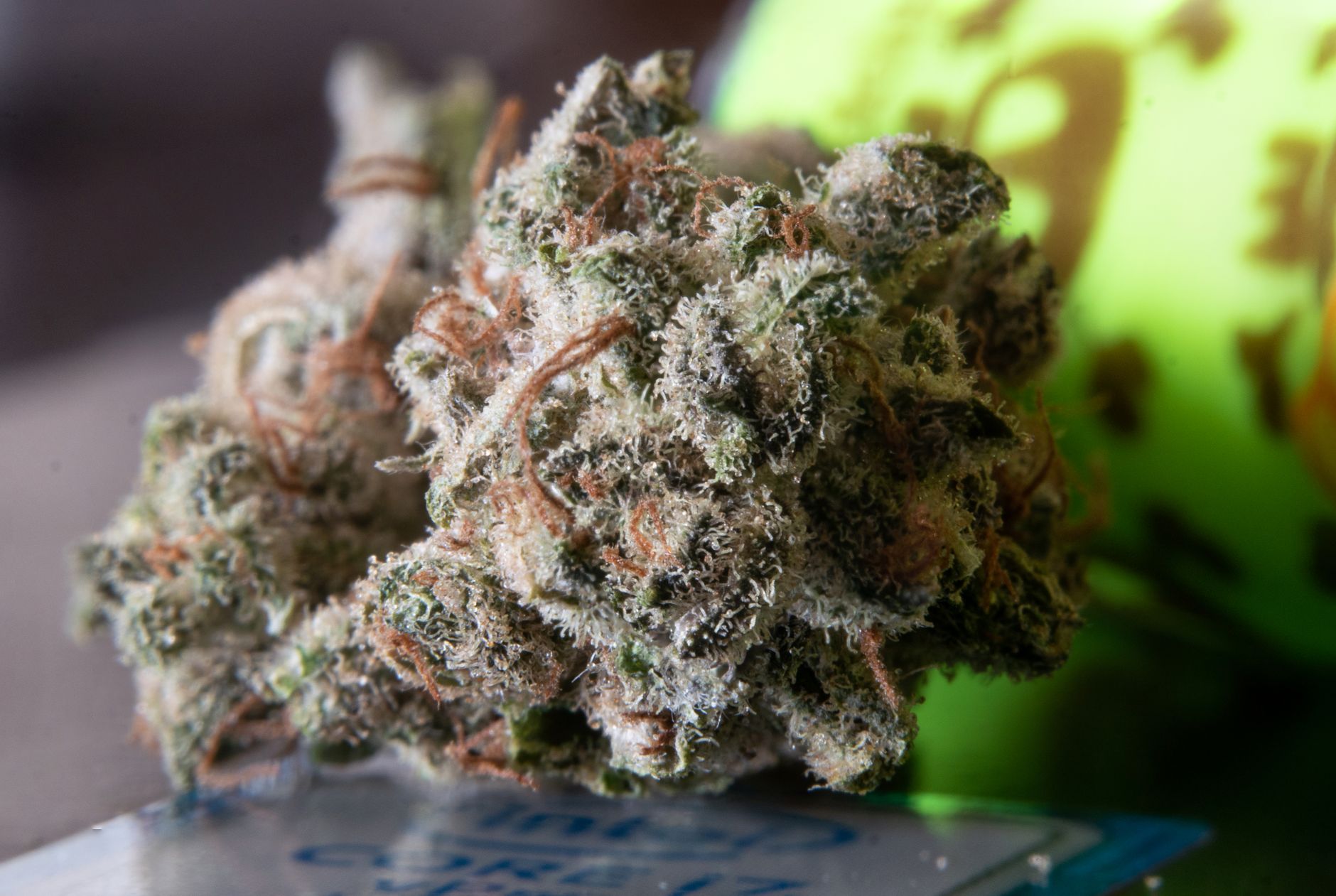
 Photo: RDNE Stock project / Pexels
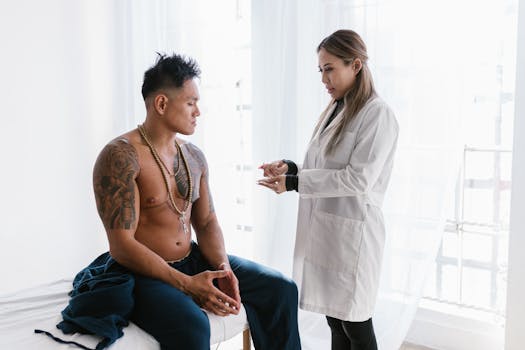 Photo: RDNE Stock project / Pexels
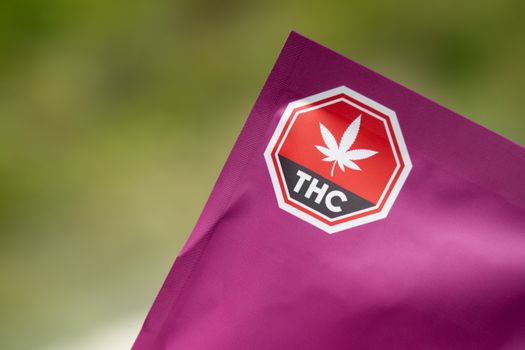 Photo: Sadi Hockmuller / Pexels