Unraveling the Mystery: How Long Does Cannabis Stay in Your System?
August 27, 2026 15 min read 2,993 words
Get clear, science-backed answers to how long cannabis is detectable in your body and what factors influence it.
Get the Facts Now
Understanding THC Metabolism and Detection Windows
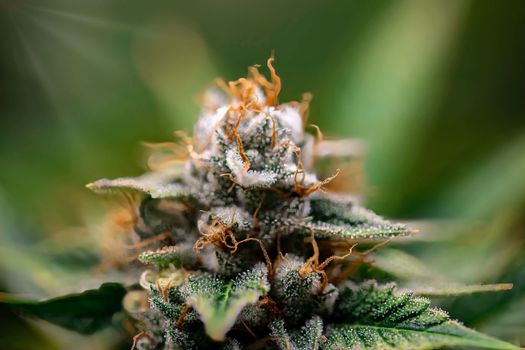 Photo: Diego Barros / Pexels
The question of 'how long does cannabis stay in your system' is not as straightforward as it might seem. The answer is a complex interplay of individual physiology, frequency of use, potency of the cannabis, and the specific drug testing method employed. At the heart of this discussion is delta-9-tetrahydrocannabinol (THC), the primary psychoactive compound in cannabis. When you consume cannabis, THC enters your bloodstream and is rapidly metabolized by the liver into various compounds, the most significant of which is 11-nor-9-carboxy-THC, commonly known as THC-COOH. It's this metabolite, rather than active THC, that most drug tests are designed to detect because it remains in the body for a much longer duration. THC-COOH is lipophilic, meaning it's fat-soluble. This characteristic allows it to be stored in the body's fat cells. Over time, these fat cells slowly release the stored metabolites back into the bloodstream, where they are eventually filtered by the kidneys and excreted through urine and feces. This process explains why cannabis can be detected days, weeks, or even months after last use, depending on the circumstances.
The detection window for cannabis varies significantly across different testing methods. For instance, a urine test, the most common type, typically detects cannabis for a few days in infrequent users, but up to several weeks or even a month in chronic users. Blood tests have a much shorter detection window, usually only a few days, as they primarily look for active THC. Saliva tests also offer a relatively short detection window, often just a few hours to a couple of days. Hair follicle tests, on the other hand, boast the longest detection window, capable of identifying cannabis use for up to 90 days, as THC metabolites become incorporated into the hair shaft as it grows. Understanding these nuances is crucial for anyone facing a drug test or simply curious about the pharmacokinetics of cannabis. The half-life of THC, which is the time it takes for half of the substance to be eliminated from the body, also varies widely, ranging from a few hours to several days depending on the individual and usage pattern. This variability underscores why a one-size-fits-all answer to the question of 'how long does cannabis stay in your system' is impossible. For a deeper dive into the science behind cannabis, explore our article on
the science of cannabis.
Key Factors Influencing Cannabis Detection Times
 Photo: Towfiqu barbhuiya / Pexels
Beyond the type of drug test, numerous individual and usage-related factors play a critical role in determining how long cannabis metabolites remain detectable. These variables can dramatically shorten or extend the detection window, making personalized estimations challenging.
**Frequency and Amount of Use:** This is arguably the most significant factor. An individual who uses cannabis once or very infrequently will clear it from their system much faster than someone who uses it daily or multiple times a day. Chronic, heavy users accumulate THC metabolites in their fat cells, leading to a much slower release and longer detection times. For a single-use individual, THC might be undetectable in urine after a few days, while a chronic user could test positive for several weeks, or even over a month.
**Metabolism Rate:** An individual's metabolic rate directly influences how quickly their body processes and eliminates substances. People with faster metabolisms tend to excrete THC metabolites more rapidly than those with slower metabolisms. Factors like age, activity level, and overall health contribute to metabolic rate.
**Body Fat Percentage:** Since THC metabolites are stored in fat cells, individuals with a higher body fat percentage may retain these metabolites for longer periods. Fat cells act as a reservoir, slowly releasing THC-COOH back into the bloodstream. Conversely, individuals with lower body fat may clear cannabis from their system more quickly.
**Potency of Cannabis:** The concentration of THC in the cannabis consumed also matters. Higher potency products introduce more THC into the body, potentially leading to greater accumulation of metabolites and, consequently, longer detection times. This is especially relevant with the rise of high-THC concentrates and edibles.
**Hydration and Diet:** While not a magic bullet, hydration can play a minor role. Drinking plenty of water can help dilute urine, potentially lowering the concentration of metabolites. However, excessive water intake can also trigger suspicion in drug tests due to overly diluted samples. A healthy diet and active lifestyle that supports a robust metabolism may indirectly aid in faster clearance. However, extreme measures like 'detox' drinks often lack scientific backing and can be dangerous.
**Exercise:** Exercise can temporarily increase the release of THC from fat cells into the bloodstream as fat is burned. While this might seem counterintuitive for someone trying to clear their system, consistent exercise over time, coupled with a healthy diet, can contribute to a faster overall metabolism and lower body fat, ultimately aiding in the long-term elimination of metabolites.
**Liver and Kidney Function:** The liver is responsible for metabolizing THC, and the kidneys are crucial for its excretion. Any impairment in these organs' functions can slow down the elimination process, potentially extending detection windows. Understanding these variables provides a more comprehensive picture of why individual experiences with cannabis detection can vary so dramatically.
Different Drug Test Methods and Their Detection Capabilities
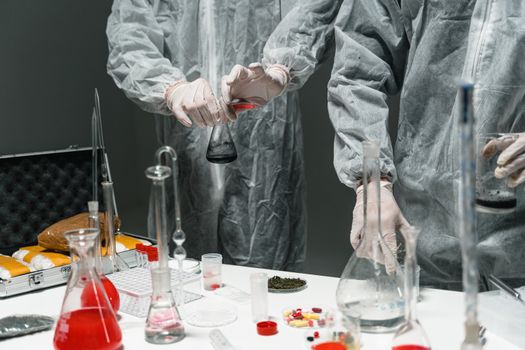 Photo: MART PRODUCTION / Pexels
When discussing 'how long does cannabis stay in your system,' it's crucial to understand that different drug testing methods have varying sensitivities and detection windows. Each method targets specific compounds and offers a unique snapshot of recent or past cannabis use. Being aware of these differences can help individuals better anticipate potential outcomes.
**Urine Tests (Urinalysis):** This is by far the most common drug screening method due to its relative ease of administration, cost-effectiveness, and non-invasiveness. Urine tests primarily detect THC-COOH, the inactive metabolite of THC. The detection window varies significantly: for a single use, cannabis might be detectable for 1-3 days; for moderate use (4 times a week), 5-7 days; for chronic daily use, 10-15 days; and for heavy chronic use, up to 30 days or even longer in some extreme cases. Factors like hydration levels can influence the concentration of metabolites in the urine, but excessive dilution can lead to a 'diluted' or 'invalid' result, often requiring retesting. Most urine tests have a cut-off level (e.g., 50 ng/mL for THC-COOH), below which a sample is considered negative.
**Blood Tests:** Blood tests detect the presence of active THC (delta-9-THC) in the bloodstream, not just its inactive metabolites. This means they are generally used to determine recent use or impairment rather than long-term history. The detection window for blood tests is much shorter, typically only 2-3 days after last use, though in heavy chronic users, it might extend slightly longer. Due to their invasive nature and shorter detection window, blood tests are less common for routine drug screening but are often used in accident investigations or DUI cases.
**Saliva Tests (Oral Fluid Tests):** Saliva tests are gaining popularity due to their non-invasive nature and ease of collection. They detect both active THC and some metabolites. The detection window for saliva tests is relatively short, usually ranging from a few hours up to 24-72 hours after last use. This makes them suitable for detecting very recent cannabis consumption, often used for roadside testing or immediate workplace screenings. The presence of THC in saliva is often linked to smoking or oral ingestion, as residual THC can cling to the oral cavity.
**Hair Follicle Tests:** These tests offer the longest detection window, making them a popular choice for employers seeking a comprehensive history of substance use. Hair follicle tests can detect cannabis use for up to 90 days. When THC metabolites circulate in the bloodstream, they become incorporated into the hair shaft as it grows. A standard hair test requires a small sample of hair (typically 1.5 inches long) taken from the scalp, which represents approximately 90 days of growth. It's important to note that hair tests generally cannot detect very recent use (within the last 7-10 days) because it takes time for the hair containing metabolites to grow out of the scalp. For more information on different drug testing scenarios, consult resources on
types of drug tests.
**Sweat Tests (Patch Tests):** Less common than other methods, sweat patch tests involve wearing a patch on the skin for several days or weeks. The patch collects sweat, which can then be analyzed for the presence of drugs and their metabolites. The detection window for sweat tests can vary depending on how long the patch is worn, typically detecting use over several days to a week or more. These are often used in probation or parole settings. Each of these testing methods has its own advantages and limitations, and the choice of test often depends on the specific context and the information being sought regarding cannabis use.
Strategies and Misconceptions for Clearing Cannabis from Your System
 Photo: Nadine Ginzel / Pexels
Given the potential implications of a positive drug test, many individuals seek ways to accelerate the elimination of cannabis from their system. However, it's crucial to distinguish between scientifically supported methods and common misconceptions or ineffective 'detox' strategies. Understanding what truly works and what doesn't can save time, money, and unnecessary stress.
**What Doesn't Work (or is Highly Dubious):**
* **'Detox' Drinks and Pills:** The market is flooded with products claiming to rapidly cleanse your system of cannabis. Most of these products are not scientifically proven to work and often contain diuretics, vitamins, and herbs. While they might temporarily dilute your urine, making metabolite concentrations fall below detectable levels, they don't actually speed up the metabolic process of eliminating THC-COOH from your fat cells. Furthermore, excessively diluted urine can lead to a 'negative dilute' result, which may require retesting or raise suspicion. Some ingredients can also be harmful in large doses.
* **Excessive Water Intake:** While staying hydrated is important for overall health and can slightly dilute urine, drinking gallons of water right before a test is unlikely to fundamentally alter the detection window. As with detox drinks, it primarily aims for dilution rather than true detoxification and can lead to a dilute sample.
* **Cranberry Juice, Niacin, Vinegar:** These are popular home remedies often cited for detoxification, but there is no scientific evidence to support their effectiveness in accelerating cannabis elimination. Niacin, in particular, can be dangerous in high doses, causing liver damage and other severe side effects.
* **Bleach or Other Adulterants:** Attempting to add adulterants to your urine sample is a highly risky endeavor. Laboratories have sophisticated tests to detect such tampering, and getting caught can lead to severe penalties, including automatic failure of the drug test and legal repercussions.
**What Might Help (Indirectly and Over Time):**
* **Time and Abstinence:** This is the most reliable and foolproof method. The longer you abstain from cannabis, the more time your body has to naturally metabolize and excrete THC-COOH. There's no shortcut for this biological process.
* **Regular Exercise:** Engaging in consistent physical activity can help burn fat cells, which are where THC metabolites are stored. As fat is metabolized, these metabolites are released and eventually excreted. However, avoid intense exercise immediately before a urine test, as it can temporarily increase metabolite levels in the urine due to fat burning.
* **Healthy Diet:** A balanced diet rich in fiber, lean proteins, and healthy fats supports overall metabolic function and liver health, which are crucial for detoxification. Avoiding processed foods and sugary drinks can aid in general well-being and potentially support a more efficient metabolism.
* **Hydration (Moderate):** Staying adequately hydrated helps your kidneys function optimally, facilitating the natural excretion of waste products, including THC metabolites. However, this is about supporting natural processes, not forcing them.
* **Saunas/Sweating:** While sweating can release some toxins, the amount of THC metabolites excreted through sweat is generally negligible compared to what is eliminated through urine and feces. Relying on saunas for rapid detoxification is not an effective strategy.
Ultimately, the most effective strategy for clearing cannabis from your system is abstinence combined with a healthy lifestyle over a sufficient period. There are no magic pills or quick fixes that can override the body's natural metabolic processes. Always be wary of products promising instant results, as they are often ineffective and can even be harmful.
