Understanding the Effects of Smoking Too Much Weed
effects of smoking too much weed

Understanding the Effects of Smoking Too Much Weed

Navigate the nuances of cannabis overconsumption to ensure a safe and enjoyable experience every time.

Learn More

Key Takeaways

  • ✓ Acute cannabis overconsumption symptoms are typically temporary and not life-threatening.
  • ✓ Individual tolerance, strain potency, and consumption method significantly influence effects.
  • ✓ Long-term heavy use can lead to respiratory issues, mental health concerns, and dependence.
  • ✓ Hydration, rest, and a safe environment are key to managing acute discomfort.

How It Works

1
Understand Your Baseline

Before consuming, know your personal tolerance levels and the typical effects of different strains. This helps in predicting your reaction.

2
Start Low, Go Slow

Begin with a small dose, especially with new products or high-potency strains. Wait at least 15-30 minutes for inhaled cannabis before considering more.

3
Recognize the Signs

Be aware of early indicators of overconsumption, such as increased heart rate, anxiety, or dizziness. This allows for proactive intervention.

4
Implement Coping Strategies

If you feel you've consumed too much, focus on hydration, deep breathing, finding a calm space, and distracting yourself with positive activities.

Immediate Repercussions: Understanding Cannabis Overconsumption

A woman sits pensively by a window, expressing feelings of solitude and contemplation. Photo: MART PRODUCTION / Pexels
The immediate effects of smoking too much weed can range from mildly uncomfortable to intensely overwhelming, depending on a variety of factors including individual tolerance, the potency of the cannabis, and the method of consumption. While often referred to colloquially as a 'green out,' it's important to understand that cannabis overconsumption, unlike an opioid overdose, is not typically fatal. However, the experience can be highly unpleasant and provoke significant anxiety. Common short-term symptoms include intense paranoia, heightened anxiety, panic attacks, rapid heart rate (tachycardia), dizziness, nausea, vomiting, confusion, and even temporary hallucinations or dissociative feelings. These symptoms arise primarily from an overstimulation of the endocannabinoid system, particularly the CB1 receptors in the brain, by an excess of THC. When you consume too much THC, your body's delicate balance is disrupted, leading to an exaggerated response in areas that regulate mood, memory, appetite, and pain perception. For instance, the feeling of paranoia is often attributed to THC's impact on the amygdala, the brain region responsible for processing fear and emotions. Similarly, an accelerated heart rate is a common physiological response to THC, especially in higher doses, and can be alarming for those unaccustomed to it. The onset and duration of these effects are also heavily influenced by how cannabis is consumed. Smoking or vaping leads to quicker onset, usually within minutes, with effects peaking within 30 minutes to an hour and lasting a few hours. Edibles, conversely, have a delayed onset, often taking 30 minutes to 2 hours to kick in, but their effects can be much more intense and prolonged, lasting upwards of 6-8 hours or even longer. This delay often leads people to consume more, thinking the initial dose wasn't enough, only to be hit with an overwhelming wave of effects later. Understanding these immediate repercussions is crucial for safe cannabis use, helping individuals to gauge their limits and prevent future uncomfortable experiences. It underscores the importance of a 'start low, go slow' approach, especially for those new to cannabis or trying new strains/products. Recognizing these signs early allows for proactive steps to mitigate discomfort, such as finding a quiet space, hydrating, or engaging in calming activities. For more information on responsible consumption, consider exploring safe cannabis practices.

Long-Term Health Implications of Chronic Heavy Cannabis Use

Close-up shot of a bearded man with glasses smoking a cigarette, featuring swirling smoke. Photo: Stefan de Vries / Pexels
While the immediate effects of smoking too much weed are largely acute and temporary, chronic and heavy cannabis use, particularly at high doses, can lead to a range of more persistent health concerns. It's crucial to distinguish between occasional, moderate use and consistent, high-frequency consumption when discussing long-term impacts. One of the most frequently discussed long-term effects pertains to respiratory health. Regular smoking of cannabis, much like tobacco, exposes the lungs to carcinogens and irritants. While studies haven't definitively linked cannabis smoking to lung cancer in the same way as tobacco, heavy users often experience chronic bronchitis symptoms, such as persistent cough, phlegm production, and wheezing. The act of inhaling hot smoke, often held deeply, contributes to inflammation and irritation of the airways. Beyond respiratory issues, there are significant concerns regarding mental health. For individuals predisposed to certain mental health conditions, particularly psychosis or schizophrenia, heavy cannabis use, especially with high-THC strains, can potentially trigger or exacerbate these conditions. Research suggests a dose-dependent relationship, meaning the risk increases with higher potency and more frequent use. Furthermore, chronic heavy use can lead to cannabis use disorder (CUD), characterized by a compulsive pattern of use despite negative consequences. CUD involves symptoms of dependence, including tolerance and withdrawal, which manifest as irritability, anxiety, sleep disturbances, and decreased appetite when attempting to quit or reduce use. Cognitive function is another area of concern. While the evidence is mixed and often debated, some studies suggest that heavy, chronic cannabis use, particularly starting in adolescence, may be associated with subtle impairments in memory, attention, and learning. These effects may persist even after abstinence, though the degree of reversibility is still under investigation. The developing brain is particularly vulnerable, which is why experts strongly advise against cannabis use by adolescents. Lastly, the impact on the cardiovascular system is also being explored. While immediate effects include increased heart rate, the long-term effects of chronic use on cardiovascular health, such as increased risk of heart attack or stroke, are still under active research, with some studies suggesting potential risks, especially in vulnerable populations. It's clear that while cannabis has therapeutic potential, its long-term, heavy use is not without its health considerations, necessitating a balanced and informed approach to consumption.

Understanding Cannabis Tolerance and Dependence
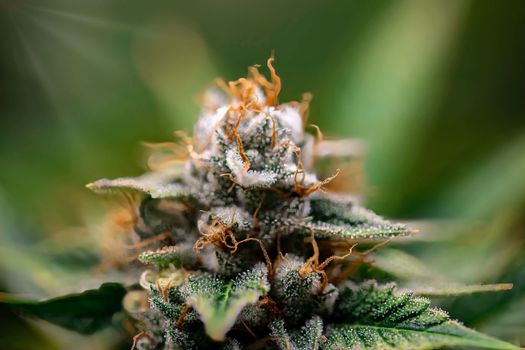
Close-up macro shot of a frosty cannabis bud with detailed trichomes. Photo: Diego Barros / Pexels
A significant aspect of the effects of smoking too much weed over time is the development of tolerance and, subsequently, dependence. Cannabis tolerance refers to the phenomenon where a person needs to consume increasingly larger doses of cannabis to achieve the same effects they once experienced with smaller amounts. This occurs because the body's endocannabinoid system adapts to the constant presence of external cannabinoids, primarily THC. Specifically, chronic exposure to THC leads to a down-regulation of CB1 receptors in the brain. These receptors become less sensitive and fewer in number, requiring more THC to bind to them to produce the desired psychoactive effects. This mechanism explains why a frequent user might need to smoke several joints to feel the same 'high' that a novice experiences from just a few puffs. The development of tolerance is a natural physiological response to sustained drug exposure and is not unique to cannabis; it's a common feature of many substances that affect the central nervous system. When tolerance develops, it can inadvertently lead to increased consumption, as individuals chase the initial effects, thereby exacerbating potential negative consequences. Beyond tolerance, chronic and heavy cannabis use can also lead to physical and psychological dependence. Dependence is characterized by the presence of withdrawal symptoms when cannabis use is stopped or significantly reduced. These symptoms are a clear indicator that the body has adapted to the presence of cannabis and struggles to function normally without it. Cannabis withdrawal symptoms can include irritability, anxiety, depression, sleep disturbances (insomnia, vivid dreams), decreased appetite, stomach pain, tremors, sweating, and headaches. While generally not life-threatening, these symptoms can be quite uncomfortable and can make it challenging for individuals to reduce or cease their cannabis use, contributing to a cycle of continued heavy consumption. The severity and duration of withdrawal symptoms often correlate with the intensity and duration of previous cannabis use. Understanding tolerance and dependence is crucial for anyone using cannabis, particularly those who use it frequently. It highlights the importance of moderation and taking 'tolerance breaks' (periods of abstinence) to allow the endocannabinoid system to reset. This can help to reduce dependence, lower tolerance, and ultimately make cannabis use more effective and less problematic. For those struggling with dependence, resources and support for managing cannabis withdrawal are readily available.

Mitigating Negative Experiences and Practicing Safer Consumption

A man sitting indoors holding a cannabis joint, relaxed and thoughtful. Photo: RDNE Stock project / Pexels
Experiencing the uncomfortable effects of smoking too much weed can be a distressing ordeal, but there are several practical strategies to mitigate these negative experiences and promote safer consumption habits. Prevention is always the best approach. Here are key tips: * **Know Your Product:** Understand the THC and CBD content of your cannabis. High-THC strains are more likely to induce anxiety or paranoia, especially for those with lower tolerance. CBD can actually counteract some of THC's psychoactive effects, so strains with a balanced THC:CBD ratio might be more forgiving. * **Start Low, Go Slow:** This mantra cannot be overstated, particularly for edibles. Begin with a very small dose (e.g., 2.5-5 mg THC for edibles, one small puff for smoked cannabis) and wait for the full effects to manifest before considering consuming more. For edibles, this can take 1-2 hours. * **Choose a Safe Environment:** Consume cannabis in a comfortable, familiar, and safe setting with people you trust. A chaotic or unfamiliar environment can amplify feelings of paranoia or anxiety. * **Stay Hydrated and Fed:** Dehydration and low blood sugar can exacerbate feelings of dizziness or nausea. Keep water and snacks readily available. * **Have a 'Sober Buddy':** If trying a new product or dose, have a trusted friend present who is sober or consuming less, to offer support if needed. If you find yourself feeling overwhelmed after consuming too much, these steps can help: * **Don't Panic:** Remind yourself that the feeling is temporary and will pass. No one has ever fatally overdosed on cannabis alone. * **Hydrate:** Drink water, juice, or non-caffeinated beverages. Avoid alcohol, which can intensify effects. * **Eat Something:** A light snack can sometimes help ground you and reduce nausea. * **Change Your Environment:** Move to a quiet, dimly lit room. Go for a short, gentle walk if you feel up to it, or simply lie down. * **Distract Yourself:** Engage in calming activities. Listen to soothing music, watch a lighthearted show, talk to a friend, or practice deep breathing exercises. Focus on your breath to regulate your heart rate and anxiety. * **Consider CBD:** If you have access to a CBD-dominant product, consuming some CBD can help to modulate the intensity of THC's effects. * **Sleep It Off:** If possible, try to rest or sleep. This can be the quickest way to alleviate intense discomfort. By implementing these strategies, individuals can significantly reduce the likelihood and severity of negative experiences, fostering a more positive and controlled relationship with cannabis.

Comparison

AspectModerate Cannabis UseSmoking Too Much Weed (Acute)Chronic Heavy Use
Psychoactive EffectsEuphoria, relaxation, enhanced sensesParanoia, anxiety, panic, confusionReduced euphoria, tolerance, dependence
Physical SymptomsIncreased appetite, dry mouth, red eyesRapid heart rate, dizziness, nausea, vomitingRespiratory issues, lethargy, sleep disruption
Mental StateCalm, focused (for some), creativeOverwhelmed, disoriented, fearfulIrritability, difficulty concentrating, depression
Long-term RiskMinimal for most adultsTemporary distress, no fatal overdoseCUD, potential mental health exacerbation

What Readers Say

"I once tried a new edible and definitely overdid it. The anxiety was intense, but remembering to hydrate and distracting myself with a podcast really helped me ride it out. Lesson learned about dosage!"

Sarah J. · Austin, TX

"I used to smoke heavily every day. I developed a chronic cough and felt constantly foggy. Taking a tolerance break and cutting back significantly improved my breathing and mental clarity."

Mark D. · Denver, CO

"After a bad experience with a high-THC strain, I now only consume in a calm setting with a trusted friend. It makes a huge difference in managing any potential discomfort and ensures a pleasant experience."

Jessica L. · Portland, OR

"I appreciate the insights on tolerance. I've noticed I need more to feel effects, and this article clarified why. Planning a tolerance break soon to reset things."

Kevin P. · Los Angeles, CA

"This article was incredibly helpful for understanding both the immediate and long-term effects. It's empowering to know how to prevent and manage overconsumption, leading to safer use."

Emily R. · Seattle, WA

Frequently Asked Questions

What are the immediate dangers of smoking too much weed?

While not typically fatal, smoking too much weed can lead to acute symptoms such as severe anxiety, paranoia, rapid heart rate, nausea, dizziness, and even temporary hallucinations. These effects are usually temporary and subside within a few hours, but can be highly distressing.

Can you fatally overdose on cannabis?

There are no documented cases of fatal overdose from cannabis alone. Unlike opioids or alcohol, cannabis does not depress the respiratory system to a dangerous degree. The primary risks are related to acute discomfort, impaired judgment, and potential accidents.

How can I reduce the effects if I've consumed too much?

If you've consumed too much, try to stay calm, hydrate with water, eat a light snack, and find a quiet, comfortable space. Distract yourself with music or a movie, and remind yourself that the feeling will pass. Some people find that consuming CBD can help temper THC's effects.

Does cannabis use lead to addiction?

Yes, chronic and heavy cannabis use can lead to cannabis use disorder (CUD), which includes symptoms of dependence and withdrawal. While not everyone who uses cannabis will develop CUD, the risk increases with frequency and potency of use, especially when starting at a young age.

How does smoking weed compare to edibles in terms of overconsumption?

Smoking weed typically has a faster onset (minutes) and shorter duration (2-4 hours), making it easier to gauge dosage. Edibles have a delayed onset (30 minutes to 2 hours) but much more intense and prolonged effects (6-8+ hours), leading to a higher risk of accidental overconsumption due to impatience.

Who is most at risk for negative effects from too much weed?

Individuals with pre-existing anxiety disorders, those predisposed to psychosis, adolescents whose brains are still developing, and individuals with low tolerance or sensitivity to THC are most at risk for experiencing significant negative effects from cannabis overconsumption.

Are there long-term physical health risks from heavy cannabis smoking?

Yes, chronic heavy cannabis smoking can lead to respiratory issues such as chronic bronchitis, persistent cough, and phlegm production. While the link to lung cancer is not as clear as with tobacco, the inhalation of smoke and irritants poses definite risks to lung health.

What is a 'tolerance break' and why is it recommended?

A tolerance break (T-break) is a period of abstinence from cannabis, typically lasting a few days to a few weeks. It's recommended to reset the endocannabinoid system, reduce tolerance, and diminish symptoms of dependence, making future cannabis use more effective and enjoyable at lower doses.

Understanding the effects of smoking too much weed is crucial for responsible consumption. By educating yourself on dosages, recognizing your body's signals, and knowing how to mitigate negative experiences, you can ensure a safer and more positive relationship with cannabis. Prioritize your well-being and consume mindfully.

Topics: effects of smoking too much weedcannabis overdose symptomsweed side effectsmarijuana overconsumptioncannabis tolerance
Leo List

DK Escorts LU Escorts AT Escorts SE Escorts FI Escorts CH Escorts DE Escorts HR Escorts IE Escorts GR Escorts CZ Escorts NO Escorts BE Escorts FR Escorts SI Escorts IL Escorts NL Escorts PL Escorts HU Escorts ES Escorts IT Escorts PT Escorts SK Escorts RO Escorts ZA Escorts UY Escorts US Escorts UK Escorts NZ Escorts AU Escorts
Brampton weed
Adultwork EstrelaBet Vai de Bet R7 Bet Betão Galera Bet Rainbet Bet9ja Shop SportyBet BetKing Sisal Loto Foot Hollywoodbets YesPlay Odibets RushBet Jugabet BetWarrior BetCity MSport betPawa Fortebet