Unlocking Wellness: The Surprising Effects of Microdosing Cannabis
effects of microdosing cannabis

Unlocking Wellness: The Surprising Effects of Microdosing Cannabis

Experience enhanced well-being and targeted relief with precise, low-dose cannabis consumption.

Start Your Microdosing Journey

Key Takeaways

  • ✓ Microdosing involves consuming sub-perceptual doses of cannabis.
  • ✓ The goal is therapeutic benefit without intoxication.
  • ✓ Common effects include improved mood, focus, and pain management.
  • ✓ Finding the 'sweet spot' dose is crucial for individual success.

How It Works

1
Understand Your Goals

Before starting, identify what you hope to achieve with microdosing, whether it's pain relief, anxiety reduction, or improved creativity. This clarity will guide your strain and dosage choices.

2
Start Low, Go Slow

Begin with a very small dose, typically 1-2.5mg of THC, and wait at least 90 minutes to observe its effects. Gradually increase your dose by small increments over several days until you find your optimal level.

3
Track Your Experience

Keep a journal detailing the strain, dosage, time of consumption, and the effects you experience. This record is invaluable for identifying patterns and refining your microdosing regimen.

4
Consistency and Observation

Once you find your 'sweet spot,' maintain consistency in your dosing schedule and continue to observe its long-term effects. Adjust as needed based on your body's response and changing needs.

The Science Behind the Effects of Microdosing Cannabis

Scientists in protective gear conducting experiments in a modern laboratory setting. Photo: MART PRODUCTION / Pexels
The concept of microdosing, while popularized by psychedelics, has found a compelling application in the world of cannabis. Unlike recreational use, which seeks the intoxicating effects of THC, microdosing aims for therapeutic benefits without the high. The scientific rationale behind the effects of microdosing cannabis lies primarily in its interaction with the body's endocannabinoid system (ECS). The ECS is a complex network of receptors, endocannabinoids, and enzymes found throughout the central and peripheral nervous systems, as well as in immune cells. It plays a crucial role in regulating a wide array of physiological and cognitive processes, including mood, pain sensation, appetite, memory, and sleep. At low doses, cannabinoids like THC and CBD interact with CB1 and CB2 receptors in a more nuanced way than at high doses. High doses of THC can overstimulate CB1 receptors, leading to the familiar psychoactive effects, anxiety, or even paranoia in some individuals. However, at sub-perceptual levels, THC can modulate the ECS without overwhelming it. This modulation is believed to be responsible for the subtle yet profound benefits reported by microdosers. For instance, low doses of THC have been shown to increase the body's natural production of anandamide, an endocannabinoid often referred to as the 'bliss molecule,' which can contribute to improved mood and reduced anxiety. Furthermore, the entourage effect is particularly relevant in microdosing. This theory suggests that cannabinoids, terpenes, and other compounds in the cannabis plant work synergistically to enhance each other's therapeutic effects while mitigating potential side effects. When microdosing, the full spectrum of these compounds, even in small amounts, can contribute to a more balanced and effective outcome compared to isolated cannabinoids. This is why many microdosers prefer full-spectrum or broad-spectrum cannabis products over pure THC isolates. The precise mechanisms are still being researched, but the current understanding points to a delicate balance within the ECS that is optimized at lower cannabinoid concentrations. Understanding the pharmacology of cannabis is key to appreciating why less can indeed be more in this context. The biphasic effect of cannabis is another critical aspect. This means that at low doses, cannabis can produce certain effects (e.g., anxiety reduction), while at high doses, it can produce the opposite effects (e.g., increased anxiety). This dose-dependent response underscores the importance of finding the optimal low dose for therapeutic benefit. Researchers are actively exploring these intricate interactions, and early findings are very promising for the future of cannabis as a precise therapeutic tool. The subtlety of microdosing allows for a more integrated approach to wellness, where cannabis acts as a gentle modulator rather than a strong psychoactive agent. This approach is gaining traction among individuals seeking to harness the plant's benefits without impairment, making it a viable option for daily use.

Navigating the Therapeutic Landscape: Key Effects of Microdosing Cannabis

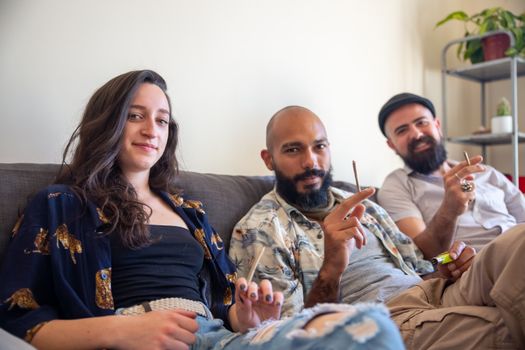
A detailed view of hands preparing and holding a cannabis joint indoors, highlighting cannabis culture. Photo: Kindel Media / Pexels
The reported effects of microdosing cannabis are diverse, ranging from cognitive enhancements to physical relief, all achieved without the characteristic 'high.' One of the most frequently cited benefits is improved mood. Users often report a subtle uplift in their emotional state, a reduction in irritability, and a general sense of well-being. This is thought to be linked to the gentle stimulation of the endocannabinoid system, which helps regulate neurotransmitters associated with mood, such as serotonin and dopamine. For individuals grappling with mild depression or chronic stress, microdosing can offer a gentle, non-intoxicating pathway to emotional balance. Enhanced focus and creativity are another significant appeal. Many professionals and creatives turn to microdosing to sharpen their concentration, overcome mental blocks, and foster innovative thinking. Unlike higher doses which can impair cognitive function, a microdose can act as a subtle stimulant, helping to quiet distracting thoughts and allow for a more sustained and productive engagement with tasks. This effect is often attributed to the modulated activity of THC on prefrontal cortex functions, leading to improved executive function without the cognitive fog. Pain management is a crucial area where microdosing cannabis shines. For those dealing with chronic pain conditions, inflammatory discomfort, or neuropathic pain, microdoses can provide significant relief without the sedation or psychoactive side effects associated with higher doses of cannabis or traditional pain medications. The anti-inflammatory properties of cannabinoids, combined with their ability to modulate pain perception pathways, contribute to this analgesic effect. Users often find they can manage their pain throughout the day while maintaining full functionality and mental clarity. Anxiety reduction is perhaps one of the most sought-after effects. While high doses of THC can sometimes trigger anxiety or paranoia, low doses tend to have an anxiolytic effect. By gently interacting with the ECS, microdosing can help calm an overactive nervous system, reducing feelings of nervousness, social anxiety, and generalized worry. This allows individuals to navigate stressful situations with greater ease and composure. The key is finding the right dose, as exceeding it can tip the balance towards increased anxiety. Improved sleep quality is another beneficial outcome for many microdosers. While some use slightly higher doses before bed, a microdose earlier in the day can help regulate the sleep-wake cycle, contributing to more restful nights. It can help reduce the mental chatter that often prevents sleep, allowing for a more natural transition into slumber. The cumulative effects of consistent, low-dose cannabis can significantly enhance overall well-being, providing a sustained sense of balance and calm that integrates seamlessly into daily life. It’s about leveraging the plant’s sophisticated chemistry to fine-tune the body’s natural systems, leading to a more harmonious existence.

Practical Guide to Finding Your 'Sweet Spot' with Low-Dose Cannabis

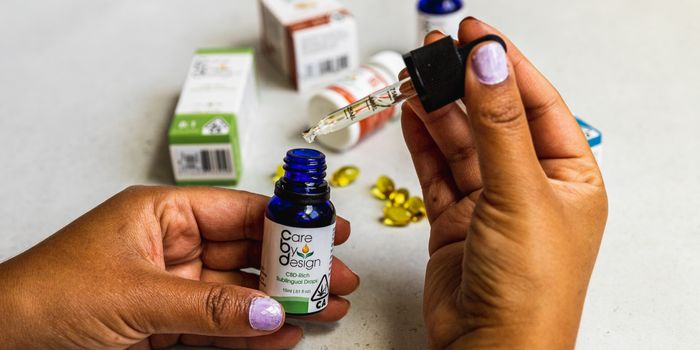
Embarking on a microdosing journey requires patience, self-awareness, and a methodical approach to find what works best for your unique physiology. The concept of a 'sweet spot' is paramount – this is the optimal dose where you experience the desired therapeutic effects without any unwanted psychoactivity. For most individuals, this sweet spot for THC typically ranges from 1 to 5 milligrams, though some may find benefits with even lower or slightly higher doses, particularly if they have developed a tolerance over time. CBD microdosing can involve higher doses, often starting at 5-10mg and increasing as needed, as CBD is non-intoxicating. Starting incredibly low is the golden rule. Begin with the smallest possible dose, often 1-2.5mg of THC, or a low-dose CBD product. The method of consumption also plays a crucial role. Edibles or tinctures offer a precise and consistent dosage, making them ideal for microdosing. Vaping or smoking, while faster-acting, can be harder to dose accurately for sub-perceptual effects. If using edibles, ensure they are precisely dosed and cut into small, consistent pieces. Tinctures allow for even finer control, as you can measure drops. After consuming your initial microdose, wait a minimum of 90 minutes, or even up to two hours, before considering another dose. The goal is to observe the subtle changes in your mood, focus, pain levels, and overall well-being without expecting an immediate, dramatic shift. Keeping a detailed journal is arguably the most critical component of successful microdosing. Record the date, time, specific strain or product used, exact dosage (in milligrams), method of consumption, and most importantly, the effects you experience. Note both positive changes (e.g., reduced anxiety, improved focus) and any undesirable effects (e.g., slight drowsiness, mild paranoia). This log will help you identify patterns and gradually adjust your dosage. If you don't feel any effects after your initial low dose, wait until the next day to increase your dose by a small increment (e.g., an additional 0.5-1mg of THC). Continue this gradual increase over several days or even weeks until you notice the desired therapeutic benefits without feeling 'high.' If you accidentally feel any psychoactive effects, you've likely gone past your sweet spot, and you should reduce your next dose. Consistency in your approach and careful observation of your body's response are key to unlocking the full potential of cannabis benefits through microdosing. Remember, microdosing is a personal journey of discovery, and what works for one person may not work for another. Patience and self-experimentation are your best tools.

Common Mistakes and Best Practices for Microdosing Cannabis

While the effects of microdosing cannabis can be profoundly beneficial, several common pitfalls can hinder your success. Avoiding these mistakes and adhering to best practices will ensure a more effective and rewarding experience. **Common Mistakes:** * **Starting Too High:** The most frequent error is beginning with a dose that's too large, leading to unwanted psychoactive effects and potentially deterring you from continuing. Remember, the goal is sub-perceptual. * **Impatience:** Expecting immediate or dramatic results can lead to increasing the dose too quickly. Cannabis effects, especially at microdoses, are often subtle and build over time. Give each dose sufficient time to manifest. * **Inconsistent Dosing:** Irregular dosing schedules or varying the product without adjusting can make it difficult to identify what's working and what's not. * **Ignoring Strain Differences:** Not all cannabis is created equal. Different strains have varying cannabinoid and terpene profiles, which can significantly alter the effects. Assuming all cannabis will produce the same microdosing results is a mistake. * **Lack of Documentation:** Without tracking your doses and their effects, it's nearly impossible to find your optimal sweet spot and make informed adjustments. **Best Practices:** * **Choose the Right Product:** Opt for products with precise and verifiable cannabinoid content. Tinctures, precisely dosed edibles, or measured vape pens are excellent choices. Look for products that clearly state the THC and CBD content per serving. * **Start with a Low THC-to-CBD Ratio:** Especially for beginners, starting with a product that has a higher CBD-to-THC ratio (e.g., 1:1, 2:1, or even 5:1) can help mitigate potential psychoactivity while still offering therapeutic benefits. CBD can also help modulate the effects of THC. * **Implement a Consistent Schedule:** Decide on a dosing frequency that aligns with your goals. Some microdose once a day, others two or three times. Consistency helps your body adapt and allows you to better assess the long-term effects. * **Listen to Your Body:** Pay close attention to subtle shifts in your mood, energy levels, pain perception, and cognitive function. These small changes are the indicators that your microdose is working. If you feel any noticeable psychoactive effects, you've gone too high. * **Take Tolerance Breaks (Optional):** Some users find occasional tolerance breaks (a few days to a week without microdosing) can help reset their system and maintain the efficacy of their chosen dose. This isn't always necessary but can be a useful tool. * **Consult a Professional:** If you have underlying health conditions or are taking other medications, always consult with a healthcare professional knowledgeable in cannabis before starting a microdosing regimen. They can offer personalized advice and help you navigate potential interactions. By adhering to these best practices, you can effectively harness the nuanced effects of microdosing cannabis to enhance your well-being and achieve your therapeutic goals.

Comparison

FeatureMicrodosing CannabisRecreational Cannabis UseTraditional Medication (e.g., for anxiety)
Psychoactive EffectsMinimal to none (sub-perceptual)Moderate to strong 'high'Often none, but can include sedation
GoalTherapeutic benefit, enhanced functionIntoxication, relaxation, altered perceptionSymptom management, disease treatment
DosageVery low (1-5mg THC)Moderate to high (10mg+ THC)Prescribed, specific to condition
Daily FunctionalityMaintained or improvedPotentially impairedVariable, can be impaired by side effects
Side EffectsMinimal (if dose is correct)Anxiety, paranoia, impaired cognitionWide range, specific to medication
Onset of EffectsSubtle, can take time to noticeOften immediate (smoking/vaping) or delayed (edibles)Variable, from immediate to weeks

What Readers Say

"I started microdosing cannabis for chronic anxiety, and the effects have been life-changing. I feel calmer and more focused throughout my day without any of the mental fogginess I feared. It's like a gentle hum of well-being."

Sarah J. · Boulder, CO

"As a software developer, I was looking for something to help with focus and creativity. Microdosing a 1:1 THC/CBD tincture has been incredible. My problem-solving skills feel sharper, and I can sustain concentration for longer periods."

Mark D. · Portland, OR

"After years of dealing with mild back pain, microdosing cannabis has been a revelation. I take a small dose in the morning, and it significantly reduces my discomfort, allowing me to be more active. No 'high,' just relief."

Emily R. · Los Angeles, CA

"It took some experimenting to find my ideal microdose, but it's worth it. I don't feel dramatically different, but I've noticed a consistent improvement in my mood and a reduction in generalized stress. It's subtle but effective."

David C. · Chicago, IL

"I use microdosing for better sleep regulation. A tiny dose an hour before bed helps quiet my mind without making me groggy the next day. I wake up feeling more refreshed and less anxious."

Jessica L. · Miami, FL

Frequently Asked Questions

What are the primary effects of microdosing cannabis?

The primary effects include enhanced mood, improved focus and creativity, reduction in anxiety and stress, and effective pain management, all without inducing a noticeable psychoactive 'high.' Users typically report a subtle uplift in well-being and functionality.

Will microdosing cannabis make me feel high?

No, the core principle of microdosing is to consume a sub-perceptual dose that provides therapeutic benefits without inducing any intoxicating effects. If you feel high, your dose is too large and needs to be reduced.

How do I find my optimal microdose?

Start with a very low dose (1-2.5mg THC), wait at least 90 minutes to observe effects, and gradually increase by small increments over several days. Keep a detailed journal to track your experiences until you find your 'sweet spot' – the dose that provides benefits without intoxication.

Is microdosing cannabis expensive?

Compared to recreational use, microdosing can be more cost-effective in the long run because you are using much smaller quantities of product. The initial investment in a precise delivery method (like tinctures or dosed edibles) might be higher, but the product lasts much longer.

How does microdosing cannabis compare to microdosing psychedelics?

Both aim for sub-perceptual benefits, but cannabis microdosing typically focuses on mood, pain, and focus, while psychedelic microdosing often targets creativity, emotional openness, and cognitive flexibility. The physiological mechanisms and specific effects differ, though both seek to enhance well-being without intoxication.

Who should consider microdosing cannabis?

Individuals seeking natural relief for anxiety, chronic pain, stress, or looking to improve focus, mood, and creativity without the psychoactive effects of traditional cannabis use are ideal candidates. It's also suitable for those sensitive to higher doses of THC.

Are there any risks or side effects associated with microdosing cannabis?

When done correctly, risks are minimal. The main risk is taking too high a dose and experiencing mild psychoactivity. Some sensitive individuals might experience slight drowsiness or dry mouth even at low doses. Always consult a doctor if you have health concerns or are on other medications.

What is the future outlook for microdosing cannabis?

The future is bright, with increasing research into its therapeutic potential and growing acceptance among the medical community and general public. As cannabis legalization expands and scientific understanding deepens, microdosing is poised to become a mainstream approach to personalized wellness and symptom management.

Embrace a new approach to wellness by exploring the subtle yet profound effects of microdosing cannabis. Discover how precise, low-dose consumption can enhance your daily life, offering relief and improved well-being without impairment. Start your informed journey today.

Topics: effects of microdosing cannabiscannabis microdosing benefitslow-dose cannabismicrodosing THCtherapeutic cannabis use
Leo List
Brampton weed
Adultwork