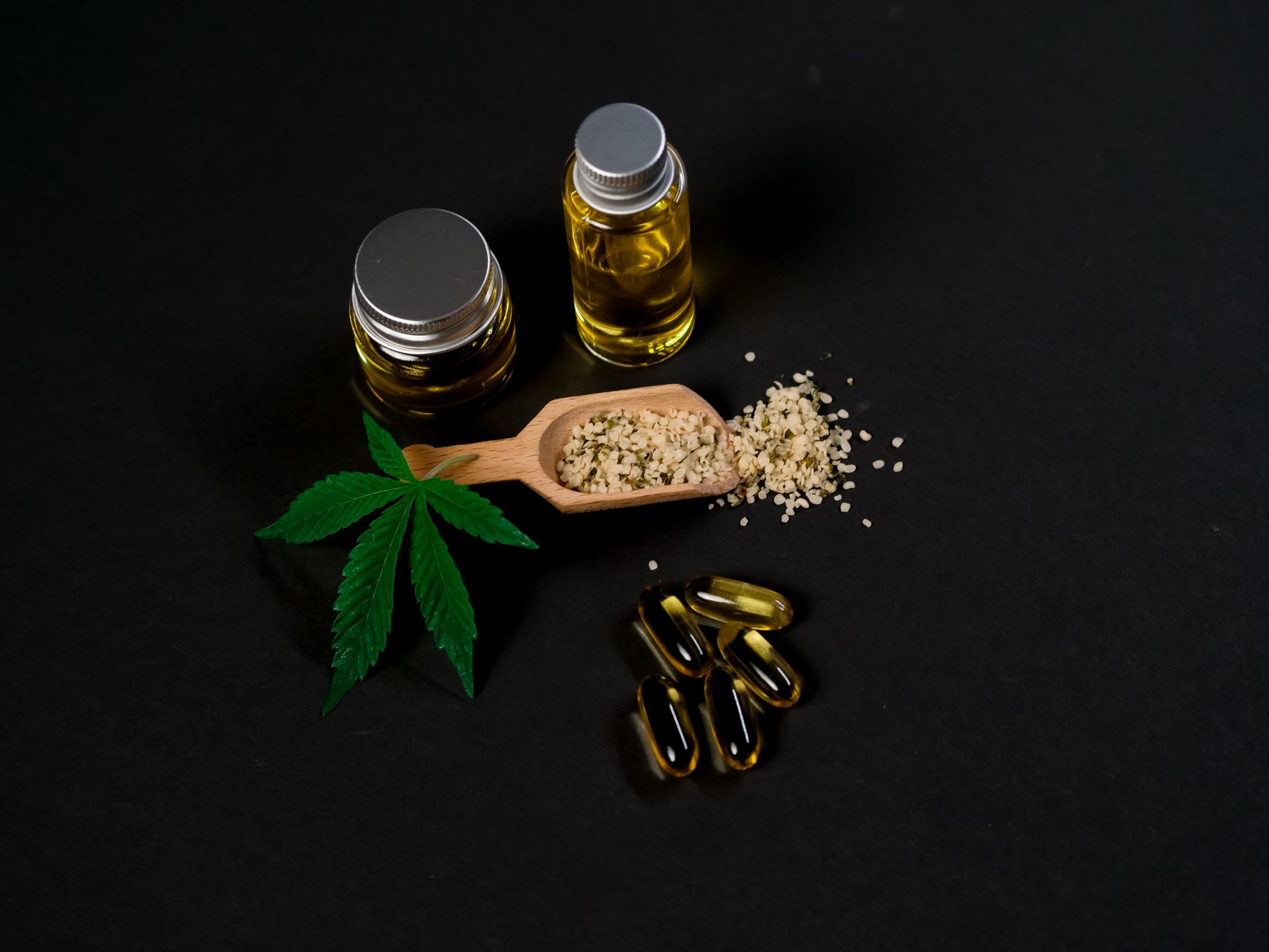
Top Cannabis Strains for Pain Management
cannabis strains for pain management

Top Cannabis Strains for Pain Management

Explore potent cannabis varieties specifically chosen to alleviate chronic and acute pain, enhancing your comfort naturally.

Find Your Relief

Key Takeaways

  • ✓ Cannabis offers a natural alternative for managing various types of pain, from chronic to acute.
  • ✓ The effectiveness of a cannabis strain for pain relief depends on its unique cannabinoid and terpene profile.
  • ✓ Both THC and CBD play crucial roles in pain modulation, often working synergistically.
  • ✓ Indica strains are commonly associated with body relaxation and pain relief, while Sativas can offer pain relief with less sedation.

How It Works

1
Understand Cannabinoids

Familiarize yourself with THC (tetrahydrocannabinol) and CBD (cannabidiol). THC provides psychoactive effects and pain relief, while CBD offers non-intoxicating pain and anti-inflammatory benefits.

2
Explore Terpenes

Learn about terpenes like Myrcene, Caryophyllene, and Limonene, which contribute to the strain's aroma, flavor, and therapeutic effects, including pain relief and anti-inflammatory properties.

3
Identify Pain Type

Determine if your pain is neuropathic, inflammatory, or muscular. Different strains and cannabinoid ratios may be more effective for specific types of pain.

4
Consult a Professional

Seek advice from a qualified medical cannabis doctor or dispensary consultant. They can help you select appropriate cannabis strains for pain management based on your individual needs and medical history.

The Science Behind Cannabis for Pain Relief

Scientists in protective gear conducting experiments in a modern laboratory setting. Photo: MART PRODUCTION / Pexels
For centuries, humans have sought effective remedies for pain. In modern times, the spotlight has increasingly turned to cannabis, a plant with a rich history of medicinal use. The scientific community is now unraveling the complex mechanisms by which cannabis interacts with the human body to provide pain relief. At the heart of this interaction is the endocannabinoid system (ECS), a vast network of receptors and neurotransmitters found throughout the brain, central nervous system, and peripheral organs. The ECS plays a vital role in regulating a wide array of physiological processes, including pain sensation, mood, appetite, and sleep. When cannabis is consumed, its active compounds, primarily cannabinoids like THC and CBD, interact with the ECS. THC (tetrahydrocannabinol) is well-known for its psychoactive properties, but it also binds to CB1 receptors in the brain and central nervous system, which can reduce pain signaling. This interaction can alter the perception of pain, making it feel less intense or bothersome. Furthermore, THC has anti-inflammatory properties, which can be particularly beneficial for inflammatory pain conditions. CBD (cannabidiol), on the other hand, does not produce a 'high' but offers a wealth of therapeutic benefits. It interacts with the ECS in a more indirect way, influencing other receptor systems and enzymes that regulate pain and inflammation. CBD is recognized for its potent anti-inflammatory, analgesic, and anxiolytic (anxiety-reducing) effects, making it a valuable cannabinoid for pain management without the intoxicating side effects. The synergy between THC and CBD, often referred to as the 'entourage effect,' suggests that these compounds, along with other minor cannabinoids and terpenes, work better together than in isolation. This means a full-spectrum cannabis product, containing a range of these compounds, might offer more comprehensive pain relief than isolated cannabinoids. Understanding these fundamental interactions is the first step in appreciating why specific cannabis strains are more effective than others for different types of pain. The unique cannabinoid and terpene profiles of various strains dictate their therapeutic potential, making strain selection a critical aspect of successful pain management. As research continues to evolve, our understanding of these intricate processes will only deepen, paving the way for more targeted and effective cannabis-based pain therapies. This growing body of evidence supports cannabis as a legitimate and powerful tool in the arsenal against chronic and acute pain, offering a natural alternative to traditional pharmaceuticals for many individuals.

Navigating Cannabinoid and Terpene Profiles for Optimal Relief
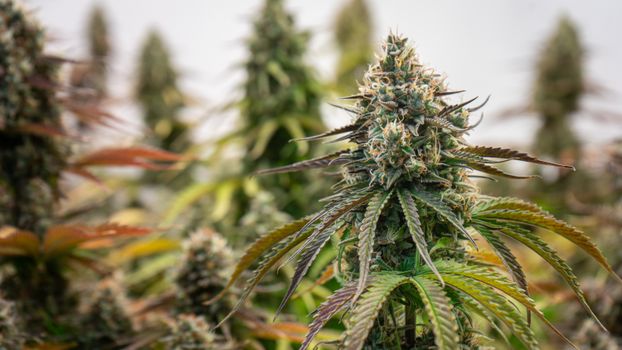
Detailed view of a cannabis plant in a greenhouse, highlighting its lush buds. Photo: GB The Green Brand / Pexels
Choosing the right cannabis strain for pain management is not a one-size-fits-all endeavor. The key lies in understanding the unique chemical fingerprint of each strain, specifically its cannabinoid and terpene profile. While THC and CBD are the most prominent cannabinoids, others like CBG (cannabigerol), CBN (cannabinol), and THCV (tetrahydrocannabivarin) also contribute to the therapeutic effects, albeit in smaller concentrations. CBG, often dubbed the 'mother of all cannabinoids,' is gaining attention for its potential anti-inflammatory and pain-relieving properties, particularly for conditions like irritable bowel disease and glaucoma. CBN, a byproduct of THC degradation, is known for its sedative effects and may be beneficial for pain accompanied by insomnia. Terpenes, the aromatic compounds found in cannabis (and many other plants), play an equally crucial role. They are not merely responsible for the distinct scents and flavors of different strains; they also interact with cannabinoids to enhance or modulate their effects, contributing to the entourage effect. For pain relief, several terpenes stand out: Myrcene, commonly found in Indica strains, is known for its sedative and muscle-relaxant properties, making it excellent for chronic pain and inflammation. Strains high in Myrcene often provide a 'couch-lock' effect. Caryophyllene, a unique terpene that can also act as a cannabinoid, directly binds to CB2 receptors, offering anti-inflammatory and analgesic effects without psychoactivity. It's often found in peppery strains. Limonene, with its citrusy aroma, is associated with mood elevation and stress relief, which can indirectly help manage pain by reducing associated anxiety and improving overall well-being. Pinene, found in pine-scented strains, is known for its anti-inflammatory and bronchodilator properties, potentially aiding in pain caused by inflammation. Linalool, with its floral scent, offers sedative and anxiolytic effects, which can be beneficial for pain sufferers who also experience anxiety or difficulty sleeping. When selecting a strain, consider not only the THC:CBD ratio but also the dominant terpenes. For chronic neuropathic pain, a strain with a balanced THC:CBD ratio and high levels of Caryophyllene might be ideal. For acute inflammatory pain, a high-CBD strain with Myrcene and Limonene could offer significant relief. Conversely, for pain that disrupts sleep, an Indica-dominant strain rich in Myrcene and CBN could be more effective. Consulting with a knowledgeable dispensary staff or a medical cannabis professional can help you decipher these complex profiles and guide you toward strains best suited for your specific pain needs and desired effects. Experimentation, starting with low doses, is often necessary to find your personalized optimal relief.

Top Cannabis Strains for Diverse Pain Conditions
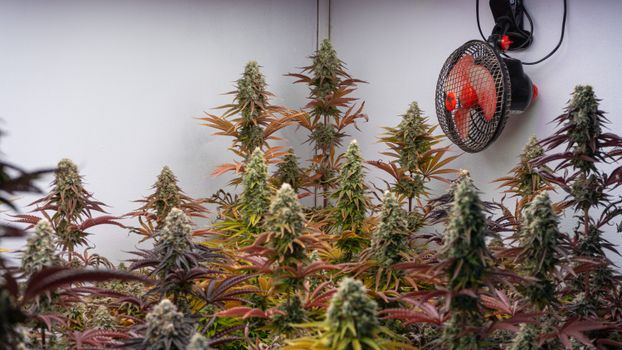
Indoor cannabis plants growing with a fan for air circulation in Silla, Spain. Photo: GB The Green Brand / Pexels
When seeking effective cannabis strains for pain management, variety is key, as different strains offer distinct profiles tailored to various pain conditions. Here, we highlight some of the most lauded strains, categorized by their general effects and suitability for specific types of pain. For widespread chronic pain, such as fibromyalgia or arthritis, strains known for their balanced effects and strong anti-inflammatory properties are often recommended. 'ACDC' is a high-CBD, low-THC strain renowned for its potent anti-inflammatory and pain-relieving capabilities without significant psychoactivity, making it ideal for daytime use. Its high CBD content interacts powerfully with the ECS to reduce inflammation. 'Harlequin' is another CBD-rich Sativa-dominant hybrid that provides clear-headed pain relief, often favored by those who need to remain functional. For neuropathic pain, which often presents as burning, tingling, or shooting sensations, strains with a higher THC content combined with specific terpenes can be more effective. 'Granddaddy Purple' (GDP), a classic Indica, is famous for its powerful body relaxation and pain-numbing effects, often leading to deep sleep. Its high Myrcene content contributes to its sedative and analgesic properties. 'Blue Dream,' a Sativa-dominant hybrid, offers a more uplifting experience while still providing significant relief from chronic pain and muscle spasms, without the heavy sedation often associated with pure Indicas. Its balanced profile can be excellent for daytime pain management. For acute pain, muscle spasms, or post-injury recovery, strong Indica strains or Indica-dominant hybrids are frequently preferred due to their profound body relaxation and analgesic properties. 'OG Kush' is a potent hybrid known for its euphoric and relaxing effects, effectively dulling severe pain and promoting a sense of calm. Its complex terpene profile, often high in Limonene and Myrcene, contributes to its therapeutic breadth. 'Northern Lights' is another legendary Indica, celebrated for its full-body relaxation and ability to alleviate pain, insomnia, and muscle spasms. It's often chosen for evening use due to its potent sedative qualities. The choice between Indica, Sativa, and hybrid strains often comes down to the desired balance between pain relief and functional capacity. Indica strains are generally associated with a 'body high' and sedation, making them suitable for evening use or severe pain. Sativa strains tend to produce a more 'head high,' offering uplifting and energizing effects, better for daytime use when mental clarity is desired. Hybrids, as their name suggests, blend these characteristics, providing a spectrum of effects that can be tailored to individual needs. Always start with a low dose and gradually increase to find the optimal balance for your pain relief without unwanted side effects. Remember, the best cannabis for you will depend on your specific pain type, tolerance, and personal preferences.

Practical Tips for Integrating Cannabis into Your Pain Management Regimen
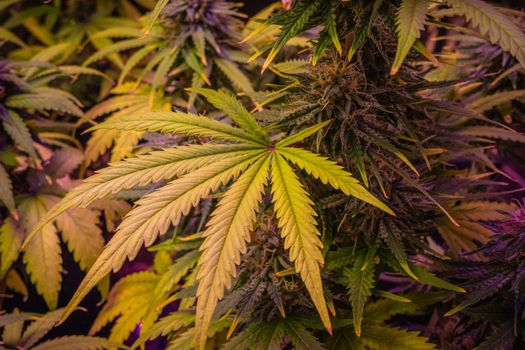
Close-up view of lush cannabis plants showcasing detailed leaves and buds. Photo: Keloke Grow / Pexels
Integrating cannabis into your pain management strategy requires a thoughtful and informed approach to maximize benefits and minimize potential drawbacks. Here are some practical tips to guide you: First, **start low and go slow**. This adage is paramount, especially for new users. Begin with a very small dose and wait to observe its effects before considering a larger dose. This allows you to gauge your individual tolerance and sensitivity to different cannabinoids and terpenes. Overconsumption can lead to uncomfortable side effects, particularly with THC. Second, **consider your consumption method**. The method of consumption significantly impacts the onset and duration of effects. Inhalation (smoking or vaping) offers rapid onset, typically within minutes, making it suitable for acute pain flares. However, the effects may dissipate relatively quickly. Edibles, tinctures, and capsules have a slower onset (30 minutes to 2 hours) but provide longer-lasting relief, which can be beneficial for chronic, persistent pain. Topicals offer localized relief without systemic effects, ideal for muscle aches or joint pain. Third, **track your experiences**. Keeping a journal can be incredibly helpful. Document the strain name, dosage, consumption method, onset time, duration of effects, level of pain relief, and any side effects. This data will help you identify which strains and methods are most effective for your specific pain and body chemistry. Fourth, **be mindful of timing and activity**. Consider when you need pain relief and how it might impact your daily activities. A sedative Indica might be perfect for nighttime pain but unsuitable if you need to work or drive. A CBD-dominant strain or a Sativa-leaning hybrid might be better for daytime functionality. Fifth, **stay hydrated and nourished**. Cannabis, particularly THC, can cause dry mouth (cottonmouth) and sometimes affect appetite. Ensure you drink plenty of water and maintain a balanced diet. Lastly, **consult with healthcare professionals**. While cannabis can be highly effective, it's crucial to discuss its use with your doctor, especially if you are on other medications. Cannabis can interact with certain pharmaceuticals, and a healthcare provider can offer personalized advice and monitor for potential contraindications. They can also help you understand the legal landscape in your state and navigate medical cannabis programs. Do not abruptly stop any prescribed medications without medical supervision. By adopting these practical strategies, you can more effectively and safely integrate cannabis into a comprehensive pain management plan, enhancing your quality of life and finding sustained relief.

Comparison

FeatureHigh-THC StrainsHigh-CBD StrainsBalanced Strains (1:1)
Psychoactive EffectStrongMinimal to NoneMild to Moderate
Primary CannabinoidTHCCBDTHC & CBD
Pain Relief MechanismCB1 receptor binding, euphoricAnti-inflammatory, indirect ECSSynergistic, broad-spectrum
Sedation LevelOften HighLowModerate
Best forSevere acute pain, neuropathic pain, insomniaInflammatory pain, anxiety, daytime reliefChronic pain, mood disorders, overall wellness
Common TerpenesMyrcene, LimoneneCaryophyllene, PineneVarious, balanced
Risk of Anxiety/ParanoiaHigherVery LowLow to Moderate

What Readers Say

"After years of dealing with fibromyalgia pain, I tried Granddaddy Purple for the first time. The relief was profound; I finally slept through the night without waking up in agony. It's truly been a game-changer for my chronic pain."

Sarah J. · Denver, CO

"Blue Dream has been my go-to for daytime neuropathic pain. It allows me to stay focused and productive while significantly dulling the constant burning sensation in my feet. I can actually enjoy my day again."

Mark D. · Portland, OR

"I was skeptical about cannabis for my severe arthritis, but ACDC has proved me wrong. Its high CBD content dramatically reduces inflammation and swelling, leading to much less stiffness and pain in my joints. I've regained mobility I thought was lost."

Jessica L. · Los Angeles, CA

"While OG Kush is great for my back pain, it can be a bit too sedating for daytime use. I've found that a smaller dose or pairing it with a CBD strain helps me manage the pain without feeling completely couch-locked."

David R. · Seattle, WA

"As a runner, muscle soreness and inflammation are common. A topical balm infused with strains high in Caryophyllene provides targeted relief directly to my sore quads and hamstrings, letting me recover faster for my next run."

Emily P. · Boston, MA

Frequently Asked Questions

What is the most searched question about cannabis strains for pain management?

The most common question revolves around identifying the 'best' cannabis strain for pain. However, there isn't a single 'best' strain. The most effective strain depends on the individual's specific pain type (e.g., neuropathic, inflammatory, muscular), desired effects (e.g., sedation, mental clarity), and personal tolerance. It's crucial to consider the unique cannabinoid and terpene profile of each strain, as well as the method of consumption, to find what works best for you.

What is a common concern regarding cannabis for pain management?

A common concern is the psychoactive effect of THC and the fear of feeling 'high' or impaired. Many individuals seeking pain relief want to avoid or minimize intoxication. Fortunately, there are many high-CBD, low-THC strains available that offer significant pain relief without the strong psychoactive effects, allowing users to remain clear-headed and functional while managing their symptoms.

How do I choose the right cannabis strain for my specific pain?

To choose the right strain, first identify the nature of your pain (e.g., chronic, acute, inflammatory, neuropathic). Then, consider the desired effects (e.g., sedation for sleep, clear-headedness for daytime). Research strains with appropriate cannabinoid ratios (THC:CBD) and terpene profiles known to address your specific pain type. Consulting with a medical cannabis doctor or a knowledgeable dispensary staff can provide personalized guidance.

Is cannabis an expensive option for pain management?

The cost of cannabis for pain management can vary significantly based on location, product type (flower, edibles, concentrates), and dosage required. While initial costs might seem higher than some over-the-counter medications, many users find it to be a cost-effective alternative to expensive prescription drugs, especially when considering the potential for reduced side effects and improved quality of life. It's important to factor in the long-term benefits and effectiveness for your specific needs.

How does cannabis compare to traditional pain medications?

Cannabis offers a natural alternative to traditional pain medications, often with a different side effect profile. While opioids can be highly addictive and come with severe side effects, cannabis is generally considered to have a lower risk of addiction and fewer severe adverse reactions. However, cannabis may not be suitable for everyone, and it can have its own side effects, such as dry mouth, dizziness, or anxiety, especially with high THC strains. It's essential to weigh the benefits and risks with a healthcare professional.

Who should use cannabis strains for pain management?

Individuals suffering from various forms of chronic or acute pain, including neuropathic pain, inflammatory conditions like arthritis, muscle spasms, and even some types of cancer-related pain, may find relief with cannabis. It's particularly suited for those seeking a natural alternative or adjunct therapy to conventional pain treatments, especially if they experience undesirable side effects from traditional medications. However, it's always recommended to consult with a doctor before starting any new treatment.

Are there any safety concerns or risks associated with using cannabis for pain?

While generally considered safe, risks include potential for dependence, impaired cognitive function (especially with high THC), interaction with other medications, and respiratory issues if smoked. Overconsumption can lead to anxiety or paranoia. Pregnant or breastfeeding individuals, and those with a history of psychosis, should avoid cannabis. Always use products from reputable sources and adhere to legal guidelines. Discuss concerns with a healthcare provider.

What is the future trend for cannabis in pain management?

The future trend for cannabis in pain management points towards increasing legalization, more rigorous scientific research, and the development of highly specialized cannabis products. We can expect to see more targeted formulations with specific cannabinoid and terpene ratios designed for particular pain conditions, as well as innovative delivery methods. Personalized cannabis medicine, guided by genetic and individual physiological factors, is also an emerging area, offering more precise and effective pain relief solutions.

Unlock the potential of natural pain relief. By understanding the diverse world of cannabis strains for pain management, you can make informed choices to improve your well-being. Explore the options and find the perfect strain to help you live a life with less pain and greater comfort today.

Topics: cannabis strains for pain managementmedical marijuana pain reliefCBD for painTHC for painterpenes pain relief
Leo List

DK Escorts LU Escorts AT Escorts SE Escorts FI Escorts CH Escorts DE Escorts HR Escorts IE Escorts GR Escorts CZ Escorts NO Escorts BE Escorts FR Escorts SI Escorts IL Escorts NL Escorts PL Escorts HU Escorts ES Escorts IT Escorts PT Escorts SK Escorts RO Escorts ZA Escorts UY Escorts US Escorts UK Escorts NZ Escorts AU Escorts
Brampton weed
Adultwork EstrelaBet Vai de Bet R7 Bet Betão Galera Bet Rainbet Bet9ja Shop SportyBet BetKing Sisal Loto Foot Hollywoodbets YesPlay Odibets RushBet Jugabet BetWarrior BetCity MSport betPawa Fortebet