Top Cannabis Strains for Anxiety Relief: Your Ultimate Guide

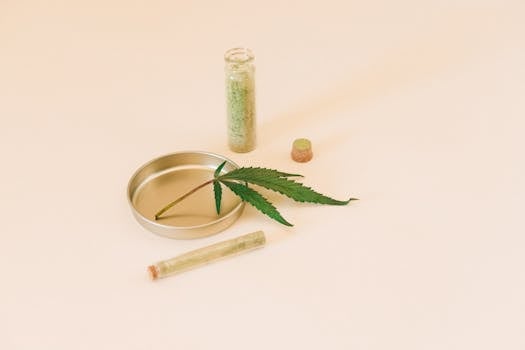
A cannabis leaf with herbal extracts in a glass vial, representing natural healthcare remedies.Photo: Nataliya Vaitkevich / Pexels

Top Cannabis Strains for Anxiety Relief: Your Ultimate Guide

Unlock tranquility and find peace with carefully selected cannabis strains known for their calming effects.

Find Your Calm

Key Takeaways

  • ✓ Anxiety is a widespread condition affecting millions in the US.
  • ✓ Cannabis offers a natural alternative for managing anxiety symptoms.
  • ✓ The entourage effect (THC, CBD, terpenes) is key to strain effectiveness.
  • ✓ Individual responses to cannabis vary significantly; start low, go slow.

How It Works

1
Understand Your Anxiety

Before exploring strains, reflect on your anxiety triggers, severity, and how it manifests. This self-awareness helps in choosing the most suitable cannabis profile.

2
Educate on Cannabinoids & Terpenes

Learn about THC, CBD, and key terpenes like Myrcene, Linalool, and Limonene. These compounds interact to create specific effects, influencing anxiety relief.

3
Select a Strain Profile

Based on your understanding and research, identify strains with cannabinoid and terpene profiles known for anxiety-reducing properties. Prioritize high-CBD or balanced THC/CBD options.

4
Start Low, Go Slow & Observe

Begin with a very small dose and wait to assess its effects before consuming more. Keep a journal to track how different strains impact your anxiety levels and overall well-being.

Understanding Anxiety and the Role of Cannabis

A cannabis leaf with herbal extracts in a glass vial, representing natural healthcare remedies.Photo: Nataliya Vaitkevich / Pexels
Anxiety is a pervasive mental health condition, impacting an estimated 40 million adults in the United States alone, making it the most common mental illness in the country. Its symptoms can range from mild worry and restlessness to debilitating panic attacks, significantly affecting daily life, relationships, and overall well-being. While conventional treatments like therapy and pharmaceuticals are effective for many, a growing number of individuals are exploring alternative and complementary approaches, with cannabis emerging as a prominent area of interest. The historical use of cannabis for its calming properties dates back centuries, but modern scientific understanding is now shedding light on *how* it interacts with our bodies to produce these effects. At the heart of this interaction is the endocannabinoid system (ECS), a complex network of receptors and neurotransmitters found throughout the human body. The ECS plays a crucial role in regulating a wide array of physiological processes, including mood, stress response, sleep, appetite, and pain sensation. Cannabinoids, the active compounds in cannabis such as Tetrahydrocannabinol (THC) and Cannabidiol (CBD), interact with cannabinoid receptors (CB1 and CB2) within the ECS. THC is primarily responsible for the psychoactive effects associated with cannabis, but it also has anxiolytic (anxiety-reducing) properties at lower doses. However, at higher doses, THC can sometimes exacerbate anxiety in some individuals, highlighting the importance of dosage and strain selection. CBD, on the other hand, is non-psychoactive and is widely recognized for its potential anxiolytic, anti-inflammatory, and neuroprotective effects. It can modulate the effects of THC, often mitigating the potential for anxiety or paranoia. The delicate balance between THC and CBD, alongside other compounds, is what makes each cannabis strain unique in its therapeutic potential. Exploring the benefits of cannabis for anxiety involves navigating this complex interplay of compounds. Beyond THC and CBD, cannabis contains hundreds of other compounds, including terpenes and flavonoids, which contribute to what is known as the 'entourage effect.' This theory suggests that these compounds work synergistically to enhance the therapeutic effects of cannabis while potentially mitigating unwanted side effects. For individuals seeking anxiety relief, understanding this intricate relationship is paramount. It allows for a more informed and personalized approach to selecting cannabis strains, moving beyond simple indica/sativa classifications to focus on specific cannabinoid and terpene profiles. The goal is not just to alleviate symptoms but to foster a sense of calm and well-being, enabling individuals to better manage their anxiety and improve their quality of life. As cannabis research continues to evolve, our understanding of its potential as a therapeutic agent for anxiety will only deepen, offering more refined and targeted solutions for those in need.

Key Cannabinoids and Terpenes for Anxiety Relief
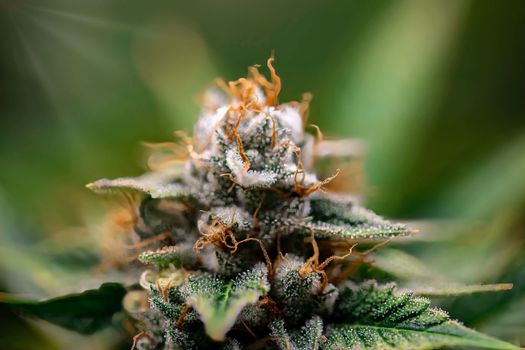
Close-up macro shot of a frosty cannabis bud with detailed trichomes.Photo: Diego Barros / Pexels
When discussing cannabis strains for anxiety relief, it's essential to move beyond the traditional indica versus sativa dichotomy, which, while useful for general categorization, often oversimplifies the actual effects. The true power lies in the specific cannabinoid and terpene profiles of each strain. Cannabinoids are the chemical compounds unique to the cannabis plant, with THC and CBD being the most well-known. THC (Tetrahydrocannabinol) is the primary psychoactive component of cannabis. At lower doses, THC can induce feelings of relaxation, euphoria, and reduce anxiety by interacting with CB1 receptors in the brain, which are involved in mood regulation. However, as mentioned previously, high doses of THC can sometimes trigger or worsen anxiety and paranoia in sensitive individuals, making careful dosage and strain selection crucial. CBD (Cannabidiol) is non-psychoactive and has gained significant attention for its therapeutic potential, particularly in anxiety management. CBD interacts with the ECS in a more indirect way than THC, modulating various receptors and neurotransmitters. Studies suggest CBD can reduce anxiety by affecting serotonin receptors, similar to how some antidepressant medications work. It can also counteract some of the intoxicating and anxiogenic effects of THC, making balanced THC:CBD strains often preferred for anxiety. Terpenes are aromatic compounds found in many plants, including cannabis, responsible for its distinct smells and flavors. More importantly, terpenes also contribute to the plant's therapeutic effects through the entourage effect, influencing how cannabinoids interact with the body. For anxiety relief, several terpenes are particularly noteworthy: Myrcene is one of the most abundant terpenes in cannabis and is often associated with the 'couch-lock' effect of indica strains. It has sedative and relaxing properties, making it beneficial for calming anxiety and promoting sleep. Strains high in Myrcene are often sought after by those looking for profound relaxation. Linalool, also found in lavender, is renowned for its stress-relieving and sedating effects. It has been studied for its potential to reduce anxiety and promote relaxation without heavy sedation. Strains rich in Linalool can be particularly helpful for managing acute anxiety and promoting a sense of calm. Limonene, commonly found in citrus fruits, has an uplifting and mood-enhancing effect. While it might seem counterintuitive for anxiety, Limonene can help alleviate stress and elevate mood, combating the depressive aspects that often accompany anxiety. It can also act as an anti-depressant and anti-inflammatory. Caryophyllene is unique among terpenes because it can act as a cannabinoid, specifically interacting with CB2 receptors. This interaction gives it anti-inflammatory and anxiolytic properties, without the psychoactive effects. It's often found in peppery, spicy strains and can contribute to a grounding, calming experience. Pinene, found in pine needles, is known for its ability to promote alertness and memory retention, while also having anti-inflammatory properties. While not directly sedating, its clear-headed effects can help counter the fogginess sometimes associated with anxiety and certain cannabis strains. When selecting a strain for anxiety, looking beyond just THC and CBD percentages to consider the terpene profile can lead to a more effective and personalized experience. Many dispensaries now provide detailed lab reports listing these compounds, empowering consumers to make informed choices.

Top Cannabis Strains for Anxiety Relief: Recommendations and Profiles
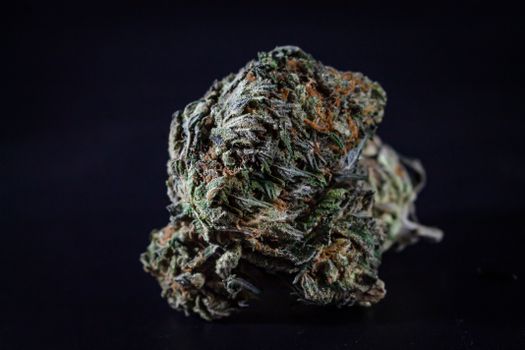
Detailed image of a cannabis bud against a black background, highlighting texture and detail.Photo: Terrance Barksdale / Pexels
Choosing the right cannabis strain for anxiety relief is a highly personal journey, but certain strains have garnered reputations for their calming and therapeutic effects. It's crucial to remember that individual body chemistry, tolerance, and the specific nature of one's anxiety can all influence how a strain is perceived. Always start with a low dose and gradually increase as needed, observing your body's response. Here are some of the most recommended cannabis strains for anxiety relief, categorized by their general cannabinoid and terpene profiles: **High-CBD, Low-THC Strains:** These strains are ideal for those who are sensitive to THC's psychoactive effects or prefer minimal impairment. They offer significant anxiety relief without the 'high.' * **ACDC:** Renowned for its exceptionally high CBD content (often 15-20%) and very low THC (typically less than 1%), ACDC provides profound relaxation and anxiety relief without any intoxicating effects. Its terpene profile often includes Myrcene and Caryophyllene, further contributing to its calming properties. It's excellent for daytime use when clarity is desired. * **Cannatonic:** Another classic high-CBD strain, Cannatonic usually features a 1:1 or 2:1 CBD to THC ratio. This balance means it can offer mild euphoria alongside its significant anxiety-reducing effects, making it a good choice for those who tolerate a little THC. Its terpene profile often includes Myrcene, Pinene, and Limonene, contributing to a balanced, soothing experience. * **Harlequin:** With a consistent 5:2 CBD to THC ratio, Harlequin delivers clear-headed relief. Users often report a focused, relaxed state without sedation, making it suitable for managing anxiety during work or social situations. Its dominant terpenes are typically Myrcene, Pinene, and Caryophyllene. **Balanced THC:CBD Strains:** These strains offer the therapeutic benefits of both cannabinoids, often with a more noticeable but manageable psychoactive effect. They are great for those who find a little THC helpful for anxiety but want to avoid overstimulation. * **Ringo's Gift:** Named after activist Lawrence Ringo, this strain typically boasts a very high CBD to THC ratio, often around 24:1, but can vary. It's celebrated for its ability to calm the mind and body without significant psychoactivity, ideal for deep relaxation. * **Sour Tsunami:** One of the first high-CBD strains to be bred, Sour Tsunami typically has a CBD:THC ratio of about 10:1. It provides a mellow, calming effect that can ease tension and anxiety without heavy sedation, allowing for functional relief. **Indica-Dominant Strains (with specific terpene profiles):** While the indica/sativa classification is broad, certain indica-dominant strains, particularly those rich in Myrcene and Linalool, are celebrated for their deeply relaxing and anxiolytic properties. It's important to choose these carefully, as high THC content can still be a factor. * **Granddaddy Purple (GDP):** A quintessential indica, GDP is famous for its deeply relaxing and sedating effects. Its rich terpene profile, often high in Myrcene, can melt away stress and anxiety, making it perfect for evening use or when deep relaxation is desired. It's best for severe anxiety or insomnia. * **Northern Lights:** Another legendary indica, Northern Lights is a pure indica strain known for its resinous buds, fast flowering, and resilience. It's cherished for its deeply relaxing, euphoric effects that settle throughout the body, calming nerves and easing the mind. Its high Myrcene content contributes to its sedative qualities. * **Afghan Kush:** Hailing from the Hindu Kush mountains, Afghan Kush is a potent indica known for its heavy body high and deeply relaxing effects. It's often chosen for chronic pain, insomnia, and severe anxiety due to its strong sedative properties and high Myrcene content. Remember, the best strain for you might not be on this list, and personal experimentation in a safe and controlled environment is key. Always consult with a healthcare professional or a knowledgeable dispensary staff member, especially if you are new to cannabis or have underlying health conditions. Furthermore, consider the method of consumption, as edibles will have a different onset and duration compared to inhalation. For those interested in exploring the broader world of cannabis products, understanding these distinctions is vital for a positive experience.

Responsible Consumption: Tips for Maximizing Anxiety Relief and Avoiding Pitfalls
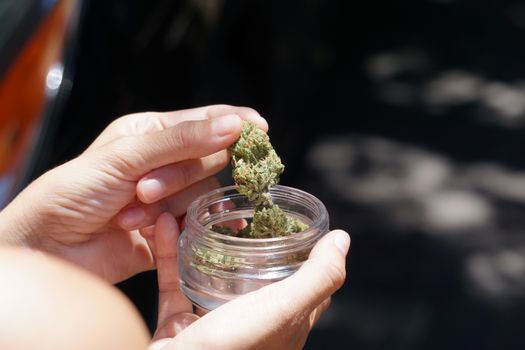
Close-up of hands holding cannabis buds in a glass jar outside in daylight.Photo: Elsa Olofsson / Pexels
While cannabis offers promising avenues for anxiety relief, responsible consumption is paramount to ensuring a positive and therapeutic experience. Without proper precautions and knowledge, even beneficial strains can lead to unintended side effects or exacerbate anxiety in certain individuals. Here are crucial tips for maximizing anxiety relief and navigating potential pitfalls: **1. Start Low, Go Slow (The Golden Rule):** This cannot be emphasized enough, especially for beginners or those trying a new strain. Begin with the lowest possible dose, whether it's a single puff from a vaporizer or a very small piece of an edible (e.g., 2.5mg THC). Wait at least 15-30 minutes for inhaled cannabis and 1-2 hours for edibles to feel the full effects before considering a second dose. Overconsumption, particularly of THC, is the leading cause of cannabis-induced anxiety or paranoia. **2. Understand Your Product:** Don't just ask for 'anxiety weed.' Instead, inquire about the specific cannabinoid ratios (THC:CBD) and prominent terpene profiles. As discussed, high-CBD strains or balanced THC:CBD strains are generally safer bets for anxiety than high-THC options. Familiarize yourself with common terpenes like Myrcene, Linalool, and Limonene. Always purchase from licensed dispensaries that provide lab-tested products with clear labeling of cannabinoid and terpene content. **3. Choose the Right Consumption Method:** * **Inhalation (Vaping/Smoking):** Offers rapid onset (minutes), allowing for easier dose titration. This means you can take a small amount and quickly assess its effects before consuming more. This method is often preferred for acute anxiety attacks. * **Edibles:** Have a delayed onset (30 minutes to 2 hours) and longer-lasting effects (4-8 hours or more). This makes dose control more challenging and increases the risk of overconsumption. Always start with a very low dose (e.g., 2.5mg THC) and be patient. Edibles are better for sustained, background anxiety relief. * **Tinctures/Oils:** Can be taken sublingually (under the tongue) for a faster onset than edibles (15-45 minutes) but slower than inhalation. They offer precise dosing and can be a good middle-ground option. **4. Create a Safe and Comfortable Environment:** Your setting significantly influences your cannabis experience. When consuming for anxiety relief, ensure you are in a calm, familiar, and safe environment where you feel relaxed. Avoid consuming in stressful or unfamiliar situations, especially when trying a new strain or dose. **5. Keep a Journal:** Document your experiences. Note the strain name, cannabinoid/terpene profile, dose, consumption method, time of day, and critically, how it made you feel. Did it reduce anxiety? Did you experience any negative side effects? This journal will become an invaluable tool for understanding what works best for your unique physiology. **6. Be Mindful of Tolerance and Frequency:** Regular cannabis use can lead to increased tolerance, meaning you'll need higher doses to achieve the same effects. This can sometimes lead to increased anxiety or dependence. Consider taking tolerance breaks to reset your system and maintain the effectiveness of your chosen strains. **7. Stay Hydrated and Have a Snack:** Dry mouth (cottonmouth) is a common side effect of cannabis. Staying hydrated is important. Having a light snack on hand can also be helpful, especially if you experience mild nausea or lightheadedness. **8. Consult with a Healthcare Professional:** Before incorporating cannabis into your anxiety management plan, especially if you are on other medications or have underlying health conditions, consult with your doctor. They can provide personalized advice and discuss potential drug interactions. Many doctors are becoming more open to discussing medical cannabis as a therapeutic option. By following these guidelines, you can significantly enhance your chances of finding effective anxiety relief with cannabis while minimizing potential negative experiences, fostering a more positive and therapeutic relationship with the plant.

Comparison

FeatureHigh-CBD StrainsBalanced THC:CBD StrainsIndica-Dominant (High THC)
Psychoactive EffectMinimal to NoneMild, manageableStrong, noticeable
Anxiety Relief EfficacyHigh (Calming, clear-headed)High (Relaxing, mood-lifting)High (Deeply sedating, for severe cases)
Best Use CaseDaytime, beginners, THC-sensitiveFlexible, moderate anxiety, functional reliefEvening, severe anxiety, insomnia
Risk of Paranoia/AnxietyLowModerate (dose-dependent)High (dose-dependent)
Common TerpenesMyrcene, CaryophylleneMyrcene, Pinene, LimoneneMyrcene, Linalool

What Our Readers Say

5 ★★★★★

"ACDC has been a game-changer for my generalized anxiety. I can stay focused at work without the jitteriness or racing thoughts. It's like a warm hug for my brain."

5 ★★★★★

"I used to get really anxious from cannabis, but a friend recommended Cannatonic. The balanced CBD:THC ratio gives me a beautiful sense of calm without any paranoia. Highly recommend for stress."

5 ★★★★★

"Granddaddy Purple is my evening savior. After a long, stressful day, it helps me unwind completely and actually get a full night's sleep, which dramatically reduces my anxiety the next day. A true blessing."

4 ★★★★☆

"Harlequin is great for daytime anxiety, it keeps me level-headed. Sometimes I wish it had a little more 'oomph' for really tough days, but for general calm, it's very effective."

5 ★★★★★

"As someone who deals with social anxiety, Sour Tsunami has made a huge difference. I can attend gatherings feeling more relaxed and present, without feeling overly high or sluggish. It's fantastic for managing overwhelm."

Frequently Asked Questions

What is the most important factor when choosing cannabis strains for anxiety relief?
The most important factor is the cannabinoid and terpene profile, specifically the ratio of CBD to THC, and the presence of anxiety-reducing terpenes like Myrcene, Linalool, and Caryophyllene. High-CBD or balanced strains are generally preferred to minimize potential anxiety from THC.
Can cannabis make my anxiety worse?
Yes, especially if you consume high-THC strains or too much cannabis at once. High doses of THC can sometimes trigger paranoia or increase anxiety in susceptible individuals. Starting with low doses and high-CBD strains can help mitigate this risk.
How do I know if a specific strain will work for my anxiety?
The best way is through careful experimentation. Start with a recommended strain (e.g., high-CBD), begin with a very small dose, and observe its effects. Keeping a journal of your experiences can help you identify what works best for your unique body chemistry and anxiety symptoms.
Is cannabis an expensive way to manage anxiety?
The cost of cannabis can vary significantly depending on your location, the dispensary, and the product type. While some strains can be pricey, microdosing or choosing less potent options can make it more affordable. It's important to compare costs to other anxiety management methods you might consider.
How does cannabis compare to prescription medications for anxiety?
Cannabis offers a natural alternative for anxiety relief, with some users preferring it due to fewer side effects compared to certain pharmaceuticals. However, it's not a direct replacement for prescribed medications and should be discussed with a healthcare professional, especially if you are currently on other treatments.
Who should avoid using cannabis for anxiety relief?
Individuals with a history of psychosis, certain heart conditions, or those who are pregnant or breastfeeding should generally avoid cannabis. Anyone taking other medications should consult their doctor due to potential drug interactions. Minors should also avoid cannabis use.
Are there any long-term risks associated with using cannabis for anxiety?
Long-term risks can include developing a tolerance, potential for dependence, and in some individuals, an increased risk of respiratory issues if smoking. Research is ongoing, but responsible, moderated use and choosing appropriate strains can help mitigate many of these concerns.
What future developments can we expect in cannabis strains for anxiety?
Future developments will likely include more targeted breeding for specific terpene and cannabinoid profiles, leading to highly customized strains designed for precise anxiety relief. Research into minor cannabinoids and their anxiolytic potential will also expand, offering even more refined options.

Embark on your journey to natural tranquility by exploring the diverse world of cannabis strains for anxiety relief. With informed choices and responsible consumption, you can find the perfect balance to soothe your mind and enhance your well-being.

Topics: cannabis strains for anxiety reliefCBD for anxietyTHC for anxietyindica vs sativa anxietyterpenes anxiety
Leo List
Brampton weed
Adultwork