Unlocking Your Garden: Cannabis Seeds for Home Growing
cannabis seeds for home growing

Unlocking Your Garden: Cannabis Seeds for Home Growing

Start your journey to self-sufficiency and cultivate premium cannabis right in your own backyard or indoor space.

Start Growing Now

Key Takeaways

  • ✓ Legal landscape for home growing varies significantly by US state.
  • ✓ Selecting the right seed strain is crucial for successful cultivation.
  • ✓ Indoor vs. outdoor growing impacts plant care and yield.
  • ✓ Feminized seeds simplify the growing process by eliminating male plants.

How It Works

1
Understand Legalities

Before purchasing cannabis seeds, research your specific state and local laws regarding home cultivation. Compliance is key to a smooth growing experience.

2
Select Your Seeds

Choose a strain that matches your growing environment, desired effects, and experience level. Consider factors like Indica, Sativa, hybrid, autoflower, and feminized options.

3
Prepare Your Grow Space

Set up your indoor or outdoor environment with appropriate lighting, ventilation, soil/hydroponics, and nutrient solutions. A well-prepared space is vital for plant health.

4
Cultivate and Harvest

Germinate your seeds, nurture your plants through vegetative and flowering stages, and finally, harvest and cure your buds. Patience and consistent care lead to rewarding yields.

Navigating the Legal Landscape of Home Cannabis Cultivation
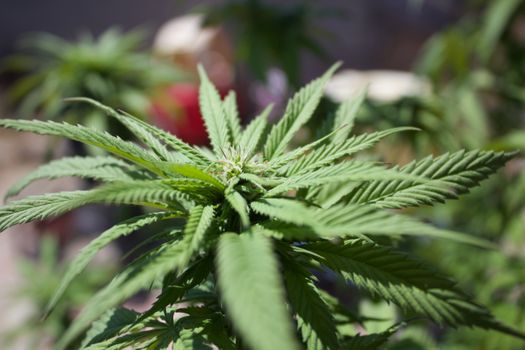
Close-up view of a lush green cannabis plant with distinct leaves under sunlight outdoors. Photo: Maria Zee / Pexels
Embarking on the journey of growing your own cannabis at home is an exciting prospect for many Americans, offering the promise of fresh, high-quality product tailored to individual preferences. However, before you even think about germinating your first seed, understanding the intricate legal landscape surrounding cannabis cultivation in the United States is paramount. The legality of cannabis, and specifically home growing, varies drastically from state to state, and even within counties or cities. What might be perfectly legal in one jurisdiction could lead to significant penalties in another. It's not enough to know if your state has legalized cannabis; you must delve deeper into the specifics of home cultivation laws. Many states that have legalized recreational or medicinal cannabis allow a certain number of plants for personal use, often differentiating between mature and immature plants, and sometimes setting limits on the total number of plants per household, regardless of the number of adults residing there. Some states might only permit medical cardholders to grow, while others extend the right to all adult residents. Furthermore, there can be specific regulations regarding where plants can be grown – for instance, requiring them to be in an enclosed, locked facility, out of public view, or even limiting them to indoor cultivation only. These rules are designed to prevent diversion to the black market, protect minors, and maintain public order. Beyond state laws, local ordinances can add another layer of complexity. Some municipalities might have zoning restrictions or additional permitting requirements for home grows. Ignoring these legal nuances can turn a rewarding hobby into a legal nightmare. Therefore, the very first step in your home growing adventure must be thorough research of your specific state, county, and city regulations. Consult official government websites, speak with legal experts specializing in cannabis law, or connect with local cannabis advocacy groups. Ensure you understand the permissible plant counts, security requirements, and any other stipulations that apply to your situation. This proactive approach ensures that your pursuit of home-grown cannabis remains within legal boundaries, allowing you to enjoy your harvest without undue concern. Remember, knowledge is your most powerful tool in navigating the legalities of cannabis cultivation, providing a solid foundation for a successful and compliant home grow.

Choosing the Right Cannabis Seeds for Home Growing Success
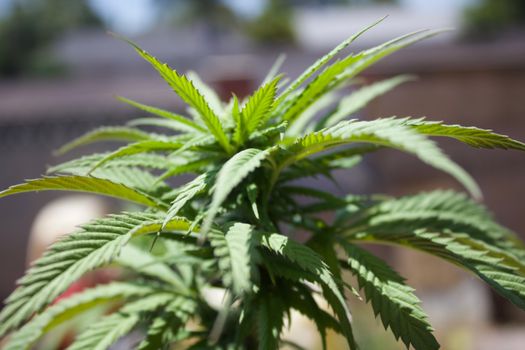
Vivid close-up of cannabis plant foliage in natural sunlight, showing detailed leaves. Photo: Maria Zee / Pexels
Once you've navigated the legalities, the next crucial step in your home growing journey is selecting the perfect cannabis seeds. This decision will profoundly influence your entire cultivation experience, from the effort required to the quality and quantity of your final harvest. The world of cannabis seeds is vast and diverse, offering a multitude of strains, each with unique characteristics suited for different growers and environments. Understanding these options is key to making an informed choice for your home growing setup. Firstly, consider the genetics. The primary categories are Indica, Sativa, and Hybrid. Indicas are typically shorter, bushier plants with quicker flowering times, often associated with relaxing, body-heavy effects. Sativas tend to be taller, lankier, and have longer flowering periods, producing more uplifting and cerebral effects. Hybrids, as the name suggests, combine characteristics of both, offering a spectrum of growth patterns and effects. Your choice here should align with your desired outcome for the final product and the physical space you have available for growing. Beyond the basic genetics, you'll encounter different seed types: regular, feminized, and autoflowering. Regular seeds produce roughly 50% male and 50% female plants. For growers seeking buds, male plants are undesirable as they produce pollen and no smokable flowers, and can pollinate female plants, leading to seedy harvests. Feminized seeds are specifically bred to produce almost exclusively female plants, eliminating the need to identify and remove males, which saves significant time and effort, especially for beginners. Autoflowering seeds are another excellent option, particularly for new growers or those with limited space and time. These plants automatically switch from the vegetative to the flowering stage based on age, rather than light cycles. This means they are generally smaller, finish faster (often within 8-10 weeks from seed to harvest), and are more resilient to environmental fluctuations. However, they typically yield less than photoperiod (regular or feminized) strains and cannot be cloned. When selecting a specific strain, research its typical yield, flowering time, resistance to pests and mold, and its nutrient requirements. Some strains are notoriously finicky, while others are incredibly robust and forgiving, making them ideal for novice growers. Online seed banks provide detailed descriptions of each strain's characteristics, making it easier to match a strain to your specific needs and growing conditions. Consider also the climate you live in if you plan to grow outdoors; some strains thrive in warm, humid conditions, while others prefer cooler, drier environments. For indoor growers, the ability to control temperature and humidity offers more flexibility in strain choice. Investing time in careful seed selection upfront will pay dividends throughout your cultivation process, setting the stage for a rewarding and successful home grow.

Mastering the Environment: Indoor vs. Outdoor Home Growing
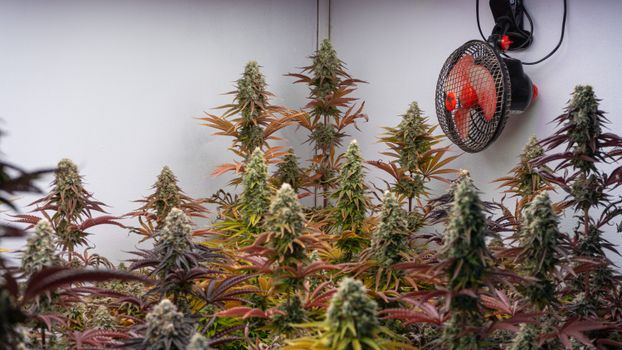
Indoor cannabis plants growing with a fan for air circulation in Silla, Spain. Photo: GB The Green Brand / Pexels
The choice between indoor and outdoor cultivation is one of the most fundamental decisions for any home cannabis grower. Each approach presents its own set of advantages, challenges, and requirements, significantly impacting the growth cycle, potential yield, and overall quality of your cannabis. Understanding these differences is crucial for creating an optimal environment for your chosen cannabis seeds for home growing. **Outdoor Growing:** The primary advantage of outdoor cultivation is its natural efficiency. The sun provides free, full-spectrum light that is unmatched by artificial lighting systems, often leading to larger plants and potentially higher yields. Fresh air and natural biodiversity can also contribute to a healthier plant ecosystem. However, outdoor growing comes with a host of variables beyond your control. Weather extremes, such as heavy rains, strong winds, hail, or unexpected frosts, can severely damage or destroy your crop. Pests and diseases are also more prevalent outdoors, requiring vigilant monitoring and organic pest control strategies. Security and discretion are major concerns, as plants are exposed to public view and potential theft. Furthermore, the harvest time is dictated by the natural light cycle, meaning only one or two harvests per year in most regions. For successful outdoor growing, select strains that are well-suited to your local climate and have good resistance to mold and pests. Ensure your plants are in a location with ample direct sunlight, good air circulation, and well-draining soil. **Indoor Growing:** Indoor cultivation offers unparalleled control over the growing environment. You can meticulously manage temperature, humidity, light intensity and duration, CO2 levels, and nutrient delivery. This level of control allows for multiple harvests per year, regardless of external weather conditions, and enables growers to optimize conditions for specific strains. Indoor growing also provides superior discretion and security, as your plants are hidden from public view. However, indoor setups require a significant initial investment in equipment, including grow lights (LED, HPS, CMH), ventilation systems (fans, carbon filters), environmental monitors, and potentially hydroponic systems or quality soil. Energy costs for lighting and climate control can also be substantial. Pests and diseases can still occur indoors, but they are generally easier to manage in a contained environment. The space available for indoor growing typically limits plant size and overall yield per plant compared to a robust outdoor grow. Many growers, particularly those new to the hobby, find indoor growing to be a more predictable and manageable starting point due to the ability to control environmental factors. As experience grows, some may transition to a hybrid approach or explore outdoor cultivation if their local climate and legal framework allow. Regardless of your choice, a thorough understanding of your environment's unique challenges and opportunities is vital for cultivating healthy, productive cannabis plants from your chosen cannabis seeds for home growing.

Essential Tips and Common Mistakes for Home Cannabis Growers
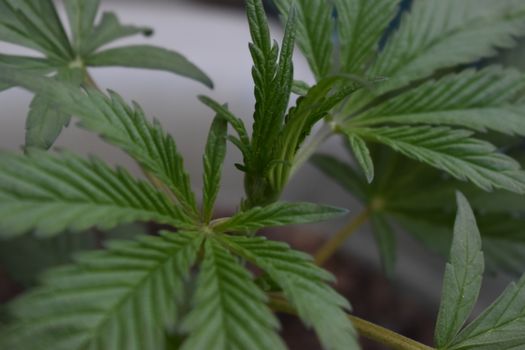
Detailed closeup of cannabis leaves and bud, vibrant green, outdoor growth. Photo: Jave Lr / Pexels
Successfully growing cannabis at home from seeds is a rewarding endeavor, but it requires attention to detail and a willingness to learn. Here are some essential tips to help you on your journey and common mistakes to avoid: **Essential Tips for Success:** * **Start with Quality Seeds:** This cannot be overstressed. High-quality feminized or autoflowering seeds from reputable breeders ensure strong genetics and a higher chance of success. * **Monitor pH Levels:** Cannabis plants thrive in specific pH ranges (6.0-7.0 for soil, 5.5-6.5 for hydroponics). Incorrect pH can lead to nutrient lockout, even if nutrients are present. Invest in a good pH meter and adjust your water and nutrient solutions accordingly. * **Provide Adequate Lighting:** Light is the energy source for your plants. For indoor growing, research different lighting technologies (LED, HPS) and ensure your plants receive the appropriate intensity and spectrum for each growth stage. * **Ensure Proper Ventilation:** Good airflow is crucial to prevent mold, mildew, and pest infestations. It also helps with CO2 distribution and temperature regulation. Use oscillating fans and an exhaust system. * **Don't Overwater:** This is one of the most common mistakes. Overwatering suffocates roots, leading to nutrient deficiencies and root rot. Water only when the top inch or two of soil feels dry. * **Nutrient Management:** Start with a light hand. It's easier to add more nutrients than to flush out excess. Follow a reputable nutrient schedule designed for cannabis, and observe your plants for signs of nutrient deficiencies or burn. * **Pruning and Training:** Techniques like topping, FIMming, LST (Low Stress Training), and Scrogging (Screen of Green) can significantly increase yields by creating a more even canopy and better light penetration. * **Patience is a Virtue:** Growing cannabis takes time. Resist the urge to harvest too early. Use a jeweler's loupe or microscope to check trichome development for peak potency. **Common Mistakes to Avoid:** * **Impatience with Germination:** Don't rush germination. Provide consistent warmth and moisture, and let the seeds do their work. * **Ignoring Environmental Factors:** Fluctuations in temperature, humidity, and light cycles can stress plants, leading to stunted growth or hermaphroditism. * **Using Unsuitable Soil:** Regular garden soil is often too dense and lacks the proper drainage and nutrient balance for cannabis. Use a high-quality potting mix specifically designed for cannabis or heavy feeders. * **Over-fertilizing:** This is often called 'nutrient burn' and can severely damage or kill your plants. Less is often more, especially for new growers. * **Lack of Pest and Disease Prevention:** Proactive measures, like maintaining a clean grow space and regularly inspecting plants, are far better than trying to cure an infestation. * **Harvesting Too Early/Late:** Harvesting at the optimal time maximizes potency and flavor. Learn to read your plant's trichomes and pistils. By following these tips and avoiding common pitfalls, you'll significantly increase your chances of a successful and bountiful home cannabis harvest.

Comparison

FeatureFeminized Photoperiod SeedsAutoflowering SeedsRegular Seeds
Gender CertaintyAlmost 100% FemaleAlmost 100% Female50% Male / 50% Female
Flowering TriggerLight Cycle ChangeAge (Automatic)Light Cycle Change
Growth Cycle LengthLonger (10-16+ weeks)Shorter (8-12 weeks)Longer (10-16+ weeks)
Yield PotentialHighModerateHigh (if males removed)
Cloning Ability
Difficulty LevelModerateEasyModerate to Hard
Best ForExperienced growers seeking high yield and controlBeginners, discreet growers, multiple harvestsBreeders, those seeking genetic diversity

What Readers Say

"I was nervous about starting my first home grow, but the feminized cannabis seeds I got yielded incredible results. The guidance on strain selection made all the difference for a beginner like me."

Sarah J. · Denver, CO

"This guide helped me choose the perfect autoflowering seeds for my small indoor setup. The plants were robust and the harvest was surprisingly generous for my first attempt. Highly recommend!"

Mark D. · Portland, OR

"After struggling with legalities, this article clarified everything for my state. My first grow of cannabis seeds for home growing produced over 4 ounces of top-shelf flower!"

Jessica L. · Los Angeles, CA

"The information on nutrient management was particularly helpful. I still have some learning to do, but my plants are much healthier this season thanks to these tips on cannabis seeds for home growing."

Kevin P. · Boston, MA

"As a medical patient, growing my own is crucial. The advice on selecting specific strains for therapeutic benefits from cannabis seeds for home growing has been invaluable. My quality of life has improved."

Elena R. · Detroit, MI

Frequently Asked Questions

What are the most important factors when choosing cannabis seeds for home growing?

The most important factors include understanding your local legal framework, selecting a strain that matches your desired effects and growing environment (indoor/outdoor), and choosing the right seed type (feminized, autoflowering, or regular) based on your experience level and goals. Researching the strain's resilience, yield potential, and flowering time is also crucial.

Is it difficult to grow cannabis at home for a beginner?

While it requires dedication and learning, growing cannabis at home is achievable for beginners, especially with autoflowering or feminized seeds. Starting with a simple setup, focusing on basic plant care (watering, light, pH), and avoiding common mistakes can lead to a successful first harvest. Patience and continuous learning are key.

How do I germinate cannabis seeds effectively?

There are several effective germination methods. A popular and reliable one is the 'paper towel method': place seeds between damp (not soaking wet) paper towels, put them in a sealed plastic bag or container, and keep them in a warm, dark place (70-85°F). You can also directly plant them a quarter-inch deep in moist starting soil or use specialized germination cubes.

What is the typical cost associated with setting up a home cannabis grow?

The cost can vary widely depending on the scale and sophistication of your setup. A basic indoor setup for 1-2 plants might range from $300-$500 for lights, tent, fans, and nutrients. More advanced setups with higher-end equipment, larger tents, or hydroponics can easily exceed $1000-$2000. Outdoor growing usually has lower initial equipment costs but still requires soil, nutrients, and pest control.

Are feminized seeds always better than regular seeds for home growers?

For most home growers focused solely on producing flowers, feminized seeds are generally 'better' because they eliminate the need to identify and remove male plants, ensuring nearly all plants will produce buds. Regular seeds are primarily preferred by breeders who want to create new strains or for those specifically looking to produce male plants for pollen.

Who should consider growing cannabis seeds for home growing?

Anyone living in a region where home cultivation is legal, who desires greater control over the quality and type of cannabis they consume, or who wants to save money compared to dispensary purchases, should consider growing cannabis seeds for home growing. It's also ideal for those interested in a rewarding horticultural hobby.

What are the biggest risks associated with home cannabis cultivation?

The biggest risks include legal repercussions if growing outside of permissible limits or in illegal regions, pest infestations or diseases that can destroy a crop, and environmental issues like mold or nutrient deficiencies. Power outages, equipment failure, and maintaining discretion are also common concerns for home growers.

What are the future trends in cannabis seeds for home growing?

Future trends point towards more genetically stable and resilient strains, increased availability of high-CBD and other cannabinoid-rich varieties, and continued innovation in autoflowering genetics for faster, easier harvests. We'll also see more personalized strain recommendations based on individual desired effects and growing conditions, leveraging advanced genetics and consumer data.

Ready to cultivate your own premium cannabis? Explore our curated selection of high-quality cannabis seeds for home growing and embark on a fulfilling journey of self-sufficiency. Your perfect harvest starts here.

Topics: cannabis seeds for home growinggrow cannabis at homebest cannabis seedsmarijuana seeds UShome cultivation guide
Leo List

DK Escorts LU Escorts AT Escorts SE Escorts FI Escorts CH Escorts DE Escorts HR Escorts IE Escorts GR Escorts CZ Escorts NO Escorts BE Escorts FR Escorts SI Escorts IL Escorts NL Escorts PL Escorts HU Escorts ES Escorts IT Escorts PT Escorts SK Escorts RO Escorts ZA Escorts UY Escorts US Escorts UK Escorts NZ Escorts AU Escorts
Brampton weed
Adultwork EstrelaBet Vai de Bet R7 Bet Betão Galera Bet Rainbet Bet9ja Shop SportyBet BetKing Sisal Loto Foot Hollywoodbets YesPlay Odibets RushBet Jugabet BetWarrior BetCity MSport betPawa Fortebet