Unlocking the Benefits of Delta 8 THC for Wellness
benefits of delta 8 THC

Unlocking the Benefits of Delta 8 THC for Wellness

Discover how this unique cannabinoid offers a balanced, milder experience for enhanced well-being and targeted relief.

Learn More Now

Key Takeaways

  • ✓ Delta-8 THC is a naturally occurring cannabinoid found in the cannabis plant, distinct from Delta-9 THC.
  • ✓ It offers a milder psychoactive experience compared to Delta-9 THC, often described as clear-headed and relaxing.
  • ✓ Many users report potential therapeutic benefits, including pain relief, anxiety reduction, and improved sleep.
  • ✓ Delta-8 THC is federally legal in the US under the 2018 Farm Bill, provided it contains less than 0.3% Delta-9 THC.

How It Works

1
Understanding the Endocannabinoid System

Delta-8 THC interacts with your body's endocannabinoid system (ECS), a complex network of receptors. This system plays a crucial role in regulating various physiological processes, including mood, pain, appetite, and sleep.

2
Binding to CB1 and CB2 Receptors

Primarily, Delta-8 THC binds to CB1 receptors, predominantly found in the brain and central nervous system, though with a weaker affinity than Delta-9 THC. It also interacts with CB2 receptors, located throughout the body, influencing immune function and inflammation.

3
Modulating Neurotransmitters and Hormones

By engaging with these receptors, Delta-8 THC can modulate the release of neurotransmitters and hormones. This interaction contributes to its potential effects on mood, perception, and physiological responses, leading to its reported therapeutic benefits.

4
Producing a Milder Psychoactive Effect

The weaker binding affinity to CB1 receptors compared to Delta-9 THC results in a less intense psychoactive experience. Users often describe it as a more functional, clear-headed high, allowing for greater control and less anxiety.

The Science Behind Delta 8 THC and Its Therapeutic Potential
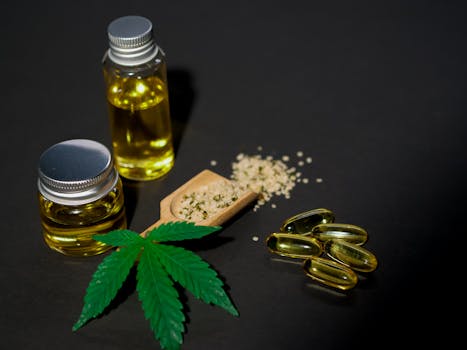
High-quality image featuring cannabis oil, seeds, leaves, and capsules on a dark background. Photo: Kindel Media / Pexels
Delta-8 THC, or delta-8-tetrahydrocannabinol, is a fascinating cannabinoid that has garnered significant attention in recent years. While structurally similar to Delta-9 THC, the primary psychoactive component of cannabis, a subtle difference in its chemical structure leads to markedly different effects. This distinction lies in the placement of a double bond on the eighth carbon chain, as opposed to the ninth in Delta-9 THC. This seemingly minor variation is responsible for Delta-8 THC's unique interaction with the body's endocannabinoid system (ECS), a complex cell-signaling system that plays a crucial role in regulating a wide range of functions and processes, including sleep, mood, appetite, memory, and reproduction. The ECS is comprised of endocannabinoids (cannabinoids produced by the body), receptors (CB1 and CB2), and enzymes that break down endocannabinoids. Delta-8 THC primarily interacts with the CB1 receptors, which are abundant in the central nervous system, including the brain. However, its binding affinity to these receptors is weaker than that of Delta-9 THC, resulting in a less potent psychoactive experience. Users often describe the effects of Delta-8 THC as more clear-headed, less anxiety-inducing, and more functional than traditional Delta-9 THC. This milder profile is one of the key benefits of delta 8 THC, making it an appealing option for individuals seeking therapeutic effects without the intense euphoria or potential anxiety sometimes associated with Delta-9. Beyond its psychoactive properties, preliminary research and anecdotal evidence suggest a range of therapeutic benefits. These include anti-emetic (anti-nausea) properties, appetite stimulation, anxiolytic (anti-anxiety) effects, and neuroprotective qualities. The precise mechanisms behind these benefits are still being actively researched, but they are thought to stem from Delta-8 THC's multifaceted interaction with the ECS and other receptor systems in the body. For instance, its anti-emetic properties were first highlighted in a 1995 study where it was successfully used to treat chemotherapy-induced nausea in pediatric cancer patients, with minimal psychoactive side effects. This early research paved the way for further exploration into its potential as a therapeutic agent. Understanding the scientific underpinnings of Delta-8 THC is crucial for appreciating its potential and navigating its use responsibly. As the scientific community continues to delve deeper into the complexities of cannabinoids and their interactions with the human body, the full spectrum of the benefits of delta 8 THC will undoubtedly become clearer. The legal landscape surrounding Delta-8 THC in the US, largely influenced by the 2018 Farm Bill, further adds to its accessibility and growing popularity, though state-level regulations vary. For more detailed information on the broader context of cannabis and its compounds, you can explore resources on cannabis science. This growing body of knowledge empowers consumers to make informed decisions about their wellness journey. The potential for Delta-8 THC to offer a balanced, less overwhelming experience while still delivering significant therapeutic value positions it as a significant compound in the evolving world of cannabis-derived products. Its unique chemical structure dictates its milder impact on the central nervous system, providing an avenue for relief that many find more manageable than traditional cannabis products. This gentle yet effective interaction with the body's natural systems is a cornerstone of its appeal.

Alleviating Discomfort: Pain Relief and Anti-inflammatory Properties

A close-up image showing hands using a weed grinder with cannabis. Photo: RDNE Stock project / Pexels
One of the most frequently cited benefits of delta 8 THC is its potential to alleviate various forms of pain and discomfort. Many users turn to Delta-8 as an alternative to traditional pain medications, seeking a more natural approach with fewer reported side effects. The mechanism behind Delta-8 THC's analgesic effects is believed to be rooted in its interaction with the body's endocannabinoid system, particularly the CB1 and CB2 receptors. While CB1 receptors are primarily associated with psychoactive effects, their activation can also influence pain perception. CB2 receptors, on the other hand, are largely involved in regulating inflammation and immune responses. By engaging with both types of receptors, Delta-8 THC may help to modulate pain signals and reduce inflammatory processes throughout the body. Anecdotal reports from a growing user base frequently highlight Delta-8 THC's efficacy in managing chronic pain conditions, such as neuropathic pain, arthritis, and muscle soreness. Users often describe a sense of gentle relief, where the intensity of their pain is dulled without the heavy sedation or mental fog that can accompany other pain relievers. This allows individuals to maintain functionality and a clearer state of mind, which is a significant advantage for those dealing with persistent discomfort. Furthermore, the anti-inflammatory properties of Delta-8 THC are a key component of its pain-relieving potential. Inflammation is a common underlying factor in many chronic pain conditions, and by reducing inflammatory responses, Delta-8 THC can address the root cause of discomfort rather than just masking the symptoms. This makes it a compelling option for conditions where inflammation plays a significant role, such as irritable bowel syndrome (IBS) or certain autoimmune disorders. While more extensive clinical trials are needed to fully elucidate the extent and mechanisms of these effects, the existing evidence and user experiences paint a promising picture. The milder psychoactive profile of Delta-8 THC also makes it more appealing for pain management, as patients can potentially experience relief without feeling overly impaired, allowing them to continue with daily activities. This balance of therapeutic effect and manageable side effects is a critical aspect of why Delta-8 THC is gaining traction as a viable option for those seeking effective pain management. The ability to find relief without significant cognitive disruption is a major draw for individuals who require ongoing pain support but wish to maintain their quality of life and productivity. As research progresses, the specific pathways through which Delta-8 THC exerts its anti-inflammatory and analgesic effects will become clearer, solidifying its role in modern pain management strategies. This aspect of the benefits of delta 8 THC is particularly impactful for many individuals seeking a sustainable approach to chronic discomfort.

Enhancing Well-being: Anxiety Reduction and Mood Regulation

In today's fast-paced world, many individuals grapple with anxiety and mood imbalances. The search for effective, sustainable methods to promote mental well-being is constant, and Delta-8 THC has emerged as a promising candidate in this arena. One of the most celebrated benefits of delta 8 THC is its reported ability to reduce anxiety and foster a sense of calm without the intense psychoactive effects often associated with Delta-9 THC. Users frequently describe a feeling of relaxation and mental clarity, allowing them to navigate stressful situations with greater ease. The anxiolytic properties of Delta-8 THC are thought to stem from its interaction with the CB1 receptors in the brain, but in a more modulated way than Delta-9. While Delta-9 THC can sometimes induce anxiety or paranoia in sensitive individuals or at higher doses, Delta-8 THC's weaker binding affinity typically results in a smoother, more gentle experience. This makes it particularly appealing for those who are prone to anxiety but still wish to explore the therapeutic potential of cannabinoids. Beyond anxiety reduction, Delta-8 THC may also play a role in mood regulation. Many users report an uplifted mood and an overall sense of enhanced well-being after using Delta-8 products. This could be attributed to its influence on neurotransmitter systems that govern mood, such as serotonin and dopamine. By subtly modulating these systems, Delta-8 THC might help to stabilize mood swings and promote a more positive outlook. The balanced nature of Delta-8 THC's effects means that individuals can often experience these mood-enhancing and anxiety-reducing benefits without feeling overly sedated or impaired. This allows for continued engagement in daily activities, making it a functional option for managing everyday stressors and promoting mental resilience. It’s important to note that individual responses can vary, and starting with a low dose is always recommended to assess personal tolerance and effects. The growing interest in Delta-8 THC for mental wellness underscores a broader shift towards cannabinoid-based therapies that prioritize a balanced and functional experience. As research continues to unravel the complexities of cannabinoid interactions with the human brain, Delta-8 THC is likely to play an increasingly significant role in the conversation around natural mental health support. For those looking to understand the broader impact of cannabinoids on the body, further exploration into cannabis and its health implications can provide valuable context. The anecdotal evidence strongly supports its utility in this domain, providing a compelling reason for continued scientific investigation into these promising aspects of Delta-8 THC.

Navigating Delta 8 THC: Dosage, Product Forms, and Safety Tips

While the benefits of Delta 8 THC are compelling, understanding how to use it safely and effectively is paramount. Proper dosage, choosing the right product form, and adhering to safety guidelines are crucial for a positive experience. Delta 8 THC products come in a wide array of forms, each with its own onset time, duration of effects, and bioavailability. Common forms include: * **Vapes and Cartridges:** These offer rapid onset (minutes) and are often favored for their immediate effects. However, the effects may be shorter-lived. * **Edibles (Gummies, Brownies):** Edibles have a delayed onset (30 minutes to 2 hours) but provide longer-lasting effects. Dosage is crucial with edibles due to their potency and slow absorption. * **Tinctures and Oils:** Applied sublingually (under the tongue), these offer a moderate onset (15-45 minutes) and allow for precise dosing. * **Topicals:** Creams and balms are used for localized relief and generally do not produce psychoactive effects. **Dosage Guidelines:** There is no universally recommended dose for Delta 8 THC, as individual tolerance, body weight, and desired effects vary significantly. It's always best to "start low and go slow." For beginners, a starting dose of 5-10 mg is often recommended. Wait at least 1-2 hours (for edibles) or 15-30 minutes (for vapes/tinctures) before considering an additional dose. Overdosing, while not life-threatening, can lead to unpleasant side effects like anxiety, lethargy, or nausea. **Safety Tips for Responsible Use:** * **Source Reputable Products:** Always purchase Delta 8 THC from reputable brands that provide third-party lab testing (Certificates of Analysis or COAs). These COAs verify the product's Delta 8 content, confirm it's below the 0.3% Delta 9 THC legal limit, and check for contaminants like heavy metals, pesticides, and residual solvents. * **Understand Your Tolerance:** Begin with the lowest possible dose and gradually increase it until you find your optimal level. * **Avoid Driving or Operating Machinery:** Delta 8 THC can impair motor skills and cognitive function. Do not drive or operate heavy machinery after consumption. * **Consult Your Doctor:** If you are on medication or have underlying health conditions, consult your healthcare provider before using Delta 8 THC to avoid potential interactions. * **Be Aware of Legal Status:** While federally legal, state laws vary. Ensure Delta 8 THC is legal in your specific location before purchasing or consuming. * **Storage:** Store products in a cool, dark place, away from children and pets. By following these guidelines, users can maximize the potential benefits of Delta 8 THC while minimizing risks and ensuring a safe and enjoyable experience. Responsible consumption is key to unlocking the full therapeutic potential of this unique cannabinoid.

Comparison

FeatureDelta 8 THCDelta 9 THCCBD
Psychoactive EffectMild, clear-headed highStrong, intense highNon-psychoactive
Anxiety PotentialLowerHigher (especially at high doses)Very Low
Pain Relief
Anti-Inflammatory
Appetite StimulationModerateStrongMinimal
Legality (Federal US)Federally Legal (<0.3% D9 THC)Federally Illegal (Controlled Substance)Federally Legal (<0.3% D9 THC)
Onset of Effects (Vape)MinutesMinutesMinutes
Duration of Effects (Edible)4-8 hours6-10 hours4-6 hours

What Readers Say

"Delta 8 THC has been a game-changer for my chronic back pain. I can finally get through my day without constant discomfort, and the mild high is actually quite pleasant and functional."

Sarah J. · Austin, TX

"I used to get really anxious with traditional THC, but Delta 8 gives me a calm, focused feeling. It's fantastic for winding down after a stressful day without feeling overwhelmed."

Mark D. · Denver, CO

"After struggling with insomnia for years, I tried Delta 8 gummies. I've been sleeping soundly for 7-8 hours every night now, which has completely transformed my energy levels."

Emily R. · Miami, FL

"It's definitely milder than Delta 9, which I appreciate. It helps with my minor aches and improves my mood, though sometimes I need a slightly higher dose to feel the full effect."

Alex P. · Portland, OR

"As a creative, Delta 8 helps me overcome creative blocks without making me too foggy. It's just enough to relax my mind and let ideas flow, truly one of the best benefits of Delta 8 THC."

Jessica L. · Chicago, IL

Frequently Asked Questions

What are the primary benefits of Delta 8 THC?

The primary benefits of Delta 8 THC often include effective pain relief, significant anxiety reduction, mood elevation, and appetite stimulation. Many users also report improved sleep quality and a general sense of well-being, all with a milder psychoactive experience compared to Delta 9 THC.

Will Delta 8 THC make me feel 'high'?

Yes, Delta 8 THC is psychoactive, but its effects are generally described as much milder and clearer-headed than Delta 9 THC. Users typically experience a gentle euphoria, relaxation, and an altered perception, but often without the intense anxiety or paranoia sometimes associated with stronger THC forms.

How should I dose Delta 8 THC for the first time?

When trying Delta 8 THC for the first time, it's crucial to start with a very low dose, typically 5-10 mg, especially with edibles. Wait at least 1-2 hours to assess the effects before considering consuming more. This 'start low and go slow' approach helps you understand your personal tolerance and avoid overconsumption.

Is Delta 8 THC more expensive than Delta 9 THC or CBD?

The cost of Delta 8 THC can vary widely based on product type, brand, and quality. Generally, it might be priced similarly to or slightly higher than CBD products due to the conversion process involved in its extraction. Delta 9 THC pricing varies significantly by legal market and product form, making direct comparisons complex.

How does Delta 8 THC compare to CBD for anxiety relief?

Both Delta 8 THC and CBD can help with anxiety, but they work differently. CBD is non-psychoactive and primarily offers calming effects without any high. Delta 8 THC provides anxiety relief alongside a mild, clear-headed psychoactive experience, which some users find more effective for certain types of anxiety or for enhancing mood.

Who should consider using Delta 8 THC?

Delta 8 THC may be suitable for individuals seeking relief from pain, anxiety, nausea, or appetite issues, especially those who find Delta 9 THC too potent or anxiety-inducing. It's also an option for those in regions where Delta 9 THC is illegal but Delta 8 THC is federally compliant.

Are there any safety concerns or side effects with Delta 8 THC?

While generally well-tolerated, potential side effects of Delta 8 THC can include dry mouth, red eyes, lethargy, and in rare cases, anxiety or paranoia, especially at higher doses. It's crucial to purchase from reputable sources with third-party lab testing to ensure product purity and safety, and to consult a doctor if you have existing health conditions or are on medication.

What is the future outlook for Delta 8 THC?

The future of Delta 8 THC is evolving rapidly. We anticipate continued scientific research to fully understand its therapeutic potential and long-term effects. The legal landscape may also shift as regulators work to create more comprehensive frameworks for all hemp-derived cannabinoids, potentially leading to broader acceptance and more standardized product offerings.

Ready to explore the balanced wellness benefits of Delta 8 THC for yourself? Discover high-quality, lab-tested Delta 8 products from trusted retailers today and take the first step towards a more comfortable and clear-headed sense of well-being.

Topics: benefits of delta 8 THCdelta 8 wellnessTHC effectscannabinoid benefitsdelta 8 relief
Leo List
Brampton weed
Adultwork