
Unlocking the Benefits of CBD for Pain Management

Close-up of CBD products including oils, edibles, and creams on a green background.Photo: Nora Topicals / Pexels

Unlocking the Benefits of CBD for Pain Management

Discover how CBD can offer a natural, effective solution for various types of pain, improving your quality of life.

Explore CBD Solutions

Key Takeaways

  • ✓ CBD interacts with the body's endocannabinoid system (ECS) to modulate pain signals.
  • ✓ It possesses potent anti-inflammatory properties, a key factor in many pain conditions.
  • ✓ CBD can be effective for various pain types, including neuropathic, inflammatory, and chronic pain.
  • ✓ Unlike THC, CBD is non-psychoactive, meaning it won't produce a 'high'.

How It Works

1
Interacts with the Endocannabinoid System (ECS)

CBD influences the ECS, a complex system of receptors and neurotransmitters throughout the body. This interaction helps regulate pain, mood, sleep, and immune function.

2
Reduces Inflammation

Many pain conditions are rooted in inflammation. CBD has been shown to significantly reduce inflammatory responses, thereby alleviating pain and discomfort.

3
Modulates Pain Signals

By interacting with various receptors, including those involved in pain perception, CBD can alter how the brain processes pain signals. This can lead to a reduction in perceived pain intensity.

4
Offers Neuroprotective Effects

CBD's neuroprotective properties may help protect nerve cells from damage, which is particularly beneficial for neuropathic pain. It can also help calm an overactive nervous system.

Understanding the Science Behind CBD's Analgesic Properties
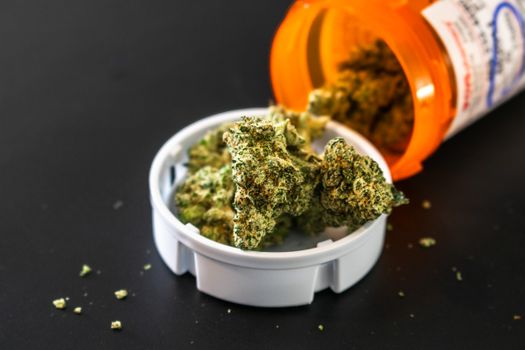
Close-up of medical cannabis spilling from an orange prescription bottle onto a surface.Photo: Terrance Barksdale / Pexels
The burgeoning field of cannabis research has illuminated the fascinating mechanisms through which cannabidiol (CBD) exerts its analgesic, or pain-relieving, effects. Far from being a simple painkiller, CBD interacts with the body's intricate endocannabinoid system (ECS), a master regulatory network responsible for maintaining homeostasis across numerous physiological processes, including pain perception, immune response, mood, and sleep. The ECS comprises endocannabinoids (naturally produced cannabis-like molecules), receptors (CB1 and CB2), and enzymes that synthesize and degrade these compounds. CBD doesn't directly bind strongly to CB1 or CB2 receptors, unlike its psychoactive counterpart THC. Instead, it influences the ECS indirectly, primarily by inhibiting the enzyme fatty acid amide hydrolase (FAAH), which is responsible for breaking down anandamide, a key endocannabinoid often referred to as the 'bliss molecule.' By preserving anandamide, CBD effectively boosts its levels, allowing it to exert its natural pain-modulating effects for longer periods. Elevated anandamide can lead to reduced pain sensitivity and an improved sense of well-being. Furthermore, CBD interacts with several non-cannabinoid receptors and ion channels. For instance, it is an agonist of the 5-HT1A serotonin receptor, which plays a crucial role in regulating mood and anxiety, conditions often comorbid with chronic pain. Its interaction with TRPV1 receptors, known as vanilloid receptors, is particularly significant for pain. TRPV1 receptors are involved in the detection and regulation of body temperature, pain, and inflammation. By modulating TRPV1 activity, CBD can desensitize these receptors, leading to a reduction in the sensation of pain. This multi-target approach makes CBD a versatile compound for addressing various types of pain. Beyond direct receptor interactions, CBD also exhibits profound anti-inflammatory properties. Inflammation is a common underlying cause of many chronic pain conditions, from arthritis to autoimmune disorders. CBD has been shown to suppress inflammatory responses by inhibiting the production of pro-inflammatory cytokines and chemokines, and by promoting the activity of anti-inflammatory mediators. This broad anti-inflammatory action is a cornerstone of its effectiveness in managing pain. For individuals seeking alternatives to traditional pharmaceuticals, understanding these scientific underpinnings provides a robust foundation for considering CBD. The ability of CBD to influence pain pathways without causing intoxication or significant side effects positions it as a compelling option. The complexity of its interaction with the body’s systems means it doesn't just mask pain; it helps to address some of the fundamental processes contributing to it. The therapeutic potential of CBD is continuously being uncovered, offering new hope for millions grappling with persistent pain. Learn more about the science of cannabis and its compounds.

Diverse Applications: Targeting Specific Pain Types with CBD
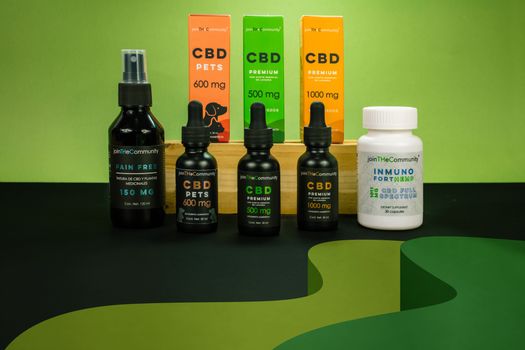
Array of CBD products including oils and supplements on a green background.Photo: Saul Rivera / Pexels
One of the most compelling aspects of CBD's potential for pain management lies in its versatility across a spectrum of pain conditions. Unlike many conventional pain medications that target specific pathways or types of pain, CBD's multi-faceted mechanisms of action allow it to address various forms of discomfort. For individuals suffering from chronic neuropathic pain, which arises from nerve damage and often manifests as burning, tingling, or shooting sensations, CBD offers a promising avenue. Research suggests that CBD’s neuroprotective properties and its ability to modulate TRPV1 receptors can help mitigate the hypersensitivity associated with nerve pain. It can help calm overactive nerve signals, providing relief where other treatments might fall short. Inflammatory pain, prevalent in conditions like rheumatoid arthritis, osteoarthritis, and inflammatory bowel disease, is another area where CBD shines. Its well-documented anti-inflammatory effects are crucial here. By reducing the production of inflammatory cytokines and suppressing immune cell activity, CBD can significantly decrease swelling, stiffness, and the pain associated with these conditions. Many users report noticeable improvements in joint mobility and reduced discomfort after incorporating CBD into their regimen for inflammatory conditions. Beyond chronic ailments, CBD is also being explored for acute pain management. Post-operative pain, muscle soreness from intense exercise, or even menstrual cramps can be alleviated by CBD's anti-inflammatory and muscle-relaxing properties. Its ability to reduce muscle spasms, a common component of many pain states, further enhances its utility. For those dealing with migraines and tension headaches, CBD's analgesic and anxiolytic (anxiety-reducing) effects can be beneficial. Stress and anxiety are often triggers or exacerbating factors for headaches, and CBD's ability to promote relaxation can indirectly contribute to pain relief. Furthermore, its anti-inflammatory action may help reduce the vascular inflammation associated with certain headache types. The non-addictive nature of CBD is a significant advantage, especially when considering long-term pain management strategies. Opioid dependence is a severe public health crisis, and the search for effective, non-addictive alternatives is paramount. CBD offers a pathway to relief that avoids the risks of addiction and severe side effects associated with opioid use. This makes it a particularly attractive option for patients who require ongoing pain management but wish to avoid the pitfalls of traditional pharmaceuticals. It's important to note that while CBD shows immense promise, individual responses can vary, and finding the right dosage and product type is often a process of trial and error. Consulting with a healthcare professional before integrating CBD into a pain management plan is always recommended, especially if you are on other medications. The broad applicability of CBD across different pain types underscores its potential as a transformative agent in the landscape of pain relief, offering a natural and holistic approach to improving patient well-being.

Choosing the Right CBD Product and Dosage for Optimal Relief
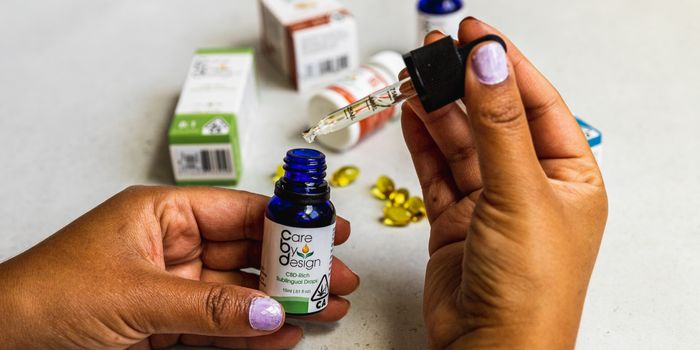
A detailed image showing hands using a dropper to handle CBD oil with packaging in the background.Photo: Elsa Olofsson / Pexels
Navigating the vast market of CBD products can be daunting, but understanding the different forms and their implications for pain management is crucial for achieving optimal relief. CBD comes in various formulations, each with unique absorption rates and benefits. Tinctures and oils, typically administered sublingually (under the tongue), offer a relatively fast onset of action, usually within 15-45 minutes, as CBD is absorbed directly into the bloodstream. This method is popular for those seeking quick relief from acute pain or consistent daily dosing for chronic conditions. Capsules and edibles, on the other hand, require digestion, meaning a slower onset (30 minutes to 2 hours) but often a longer-lasting effect. These are suitable for managing persistent pain throughout the day or night. Topical CBD products, such as creams, balms, and salves, are excellent for localized pain relief. When applied directly to the skin, CBD interacts with cannabinoid receptors in the epidermal and dermal layers, providing targeted relief for sore muscles, joint pain, or inflammatory skin conditions without entering the bloodstream in significant amounts. Vaping CBD offers the fastest onset of action, often within minutes, as the compound is absorbed directly through the lungs. However, the long-term health implications of vaping are still being studied, and it may not be suitable for everyone, particularly those with respiratory issues. Beyond the product type, understanding the spectrum of CBD is equally important. Full-spectrum CBD contains all the naturally occurring compounds of the cannabis plant, including other cannabinoids (like trace amounts of THC, below the legal limit of 0.3% in the US), terpenes, and flavonoids. This creates an 'entourage effect,' where these compounds work synergistically to enhance therapeutic benefits. Broad-spectrum CBD contains multiple cannabinoids and terpenes but is completely free of THC. This is an excellent option for individuals who want the benefits of the entourage effect without any THC. CBD isolate is pure CBD, with all other plant compounds removed. While effective, it may not offer the same synergistic benefits as full- or broad-spectrum products. Determining the correct dosage is perhaps the most personalized aspect of using CBD for pain. There is no universally prescribed dose, as optimal dosage depends on factors such as body weight, the severity of pain, individual metabolism, and the specific CBD product’s concentration. Most experts recommend starting with a low dose, typically 5-10 mg of CBD, and gradually increasing it until the desired effects are achieved. This 'start low and go slow' approach allows your body to acclimate and helps you identify your effective dose without overconsumption. Keeping a journal to track dosage, timing, and pain levels can be incredibly helpful. It's also crucial to source high-quality CBD products from reputable manufacturers. Look for products that provide third-party lab testing results (Certificates of Analysis or CoAs), which verify the CBD content, confirm the absence of contaminants like pesticides, heavy metals, and mold, and ensure the THC levels are compliant. The quality and purity of the product directly impact its efficacy and safety. Always consult with a healthcare professional, especially if you are on other medications, as CBD can interact with certain drugs. Explore more about various cannabis product types.

Maximizing CBD's Efficacy: Tips for Pain Management and Common Mistakes

A detailed image showing hands using a dropper to handle CBD oil with packaging in the background.Photo: Elsa Olofsson / Pexels
To truly harness the benefits of CBD for pain management, a strategic approach is essential. Simply taking CBD haphazardly may not yield the desired results. Here are some key tips to maximize its efficacy and common pitfalls to avoid: **Tips for Maximizing Efficacy:** * **Consistency is Key:** CBD works best when taken regularly. Establishing a consistent daily routine allows the compound to build up in your system and maintain a steady level, optimizing its interaction with your ECS. Sporadic use might not provide sustained relief. * **Start Low, Go Slow:** As mentioned, dosage is highly individual. Begin with a minimal dose and incrementally increase it every few days until you find the 'sweet spot' that alleviates your pain without unwanted side effects. Patience is crucial in this process. * **Combine Methods:** For comprehensive relief, consider combining different CBD delivery methods. For instance, use a sublingual oil for systemic pain relief and a topical cream directly on a sore joint or muscle for targeted, localized relief. * **Track Your Progress:** Maintain a journal to record the CBD product used, dosage, time of day, and your pain levels before and after. This data will help you identify what works best for your specific condition and adjust your regimen accordingly. * **Consider the Entourage Effect:** Opt for full-spectrum or broad-spectrum CBD products over isolates, especially for chronic pain. The synergistic interaction of cannabinoids, terpenes, and other plant compounds often leads to enhanced therapeutic effects. * **Lifestyle Integration:** CBD is most effective when part of a holistic pain management strategy. Combine it with other beneficial practices like a healthy diet, regular exercise, adequate sleep, and stress reduction techniques. * **Choose Quality Products:** Always prioritize third-party lab-tested products from reputable brands. This ensures you're getting a product with accurate CBD content and free from harmful contaminants. **Common Mistakes to Avoid:** * **Impatience:** Expecting immediate, dramatic results from the first dose can lead to disappointment. CBD's effects can be subtle initially and may take time to become noticeable, especially for chronic conditions. * **Incorrect Dosing:** Taking too little CBD might not provide relief, while taking too much can sometimes lead to mild side effects like drowsiness or upset stomach, and won't necessarily increase efficacy. Finding the right dose is critical. * **Ignoring Product Quality:** Purchasing cheap, untested CBD products can mean inconsistent potency, presence of contaminants, or even mislabeled ingredients, rendering them ineffective or potentially harmful. * **Not Consulting a Professional:** Failing to discuss CBD use with a healthcare provider, especially if you are on other medications, is a significant mistake. CBD can interact with certain drugs, and a doctor can help ensure safe integration. * **Inconsistent Use:** Skipping doses or using CBD only when pain is severe can diminish its overall effectiveness, as it may not have the chance to build up and exert its full therapeutic potential. * **Expecting a Cure-All:** While incredibly beneficial, CBD is not a magic bullet. It's a tool to help manage pain and improve quality of life, but it should be viewed as part of a broader health strategy, not a standalone cure.

Comparison

FeatureCBD (Full-Spectrum)Traditional NSAIDsOpioids
Psychoactive EffectsNo (trace THC)NoYes
Addiction RiskVery LowNoHigh
Primary MechanismECS Modulation, Anti-inflammatoryCOX Inhibition (Anti-inflammatory)Opioid Receptor Binding
Side EffectsMild (drowsiness, GI upset)GI issues, kidney damageNausea, constipation, respiratory depression
Long-term UseGenerally safePotential organ damageHigh risk of dependence, tolerance
Pain Types AddressedNeuropathic, Inflammatory, ChronicInflammatory, mild to moderate acuteSevere acute and chronic
Anti-inflammatory
Neuroprotective

What Our Readers Say

5 ★★★★★

"I've struggled with chronic back pain for years, and CBD oil has been a game-changer. It significantly reduces my inflammation and allows me to move more freely without constant discomfort. I finally feel like I have my life back."

5 ★★★★★

"After a knee injury, the prescribed painkillers left me feeling groggy. Switching to a CBD topical and oral tincture has provided excellent localized and systemic relief. My recovery has been much more comfortable."

5 ★★★★★

"My migraines were debilitating, but incorporating CBD into my daily routine has dramatically reduced their frequency and intensity. I went from several migraines a month to barely one, and the pain is much more manageable."

4 ★★★★☆

"CBD has definitely helped with my arthritis pain, especially in my hands. It's not a complete cure, but the reduction in stiffness and soreness is noticeable. I appreciate that it's a natural option without the harsh side effects of other medications."

5 ★★★★★

"As an athlete, muscle recovery is crucial. CBD balms and post-workout tinctures have become indispensable for soothing sore muscles and reducing inflammation after intense training. It helps me bounce back faster."

Frequently Asked Questions

What types of pain can CBD effectively manage?
CBD is being explored for its efficacy across a wide range of pain types, including chronic neuropathic pain (nerve damage), inflammatory pain (arthritis, autoimmune conditions), acute pain (post-exercise soreness, injuries), and even pain associated with conditions like migraines and fibromyalgia. Its diverse mechanisms of action allow it to address various underlying causes of discomfort.
Will CBD make me feel 'high' or intoxicated?
No, CBD is non-psychoactive and will not make you feel 'high' or intoxicated. The psychoactive effects associated with cannabis come from THC. Reputable CBD products derived from hemp contain less than 0.3% THC, which is not enough to produce mind-altering effects.
How should I take CBD for pain relief?
The best way to take CBD for pain depends on the type and location of your pain. For systemic or chronic pain, sublingual oils or capsules are often effective. For localized pain, topical creams or balms can provide targeted relief. Vaping offers rapid relief but may not be suitable for everyone. Always start with a low dose and gradually increase until you find what works for you.
Is CBD an expensive option for pain management?
The cost of CBD products can vary widely based on product type, concentration, and brand. While some premium products can be an investment, many affordable and effective options exist. When considering the cost, it's important to weigh it against the potential benefits, reduced reliance on other medications, and improved quality of life. Look for reputable brands offering transparent pricing and third-party lab results.
How does CBD compare to traditional pain medications like NSAIDs or opioids?
CBD offers a distinct advantage over traditional pain medications. Unlike NSAIDs, CBD is not associated with the same risks of gastrointestinal issues or kidney damage with long-term use. Crucially, it is non-addictive, unlike opioids, which carry a high risk of dependence and severe side effects. CBD works through different pathways, often addressing inflammation and nerve pain directly, making it a valuable alternative or complementary therapy.
Who should consider using CBD for pain management?
Individuals suffering from chronic pain conditions, inflammatory disorders, neuropathic pain, or those seeking natural alternatives to conventional pain medications may find CBD beneficial. It is also an option for those looking to reduce their reliance on opioids or minimize the side effects of other pain treatments. Always consult with a healthcare professional before starting CBD, especially if you have underlying health conditions or are taking other medications.
Are there any safety concerns or side effects with CBD for pain?
CBD is generally considered safe and well-tolerated, with mild side effects being rare. These can include drowsiness, dry mouth, or mild gastrointestinal upset, typically at higher doses. However, CBD can interact with certain medications, particularly blood thinners and drugs metabolized by the cytochrome P450 enzyme system. It's crucial to discuss CBD use with your doctor to avoid potential drug interactions and ensure it's safe for your specific health profile.
What does the future hold for CBD in pain management?
The future of CBD in pain management is very promising, with ongoing research continuing to uncover its full therapeutic potential. We can expect to see more targeted formulations, better understanding of optimal dosages for specific conditions, and increased integration into mainstream medical practice. As regulations evolve and scientific evidence strengthens, CBD is poised to become an even more widely accepted and utilized tool in the comprehensive management of pain.

Unlock the natural potential of CBD for pain management. Explore high-quality, lab-tested CBD products today and take a significant step towards a life with less pain and greater well-being.

Topics: CBD for pain managementcannabinoids pain reliefCBD chronic painnatural pain reliefhemp pain solution
Leo List
Brampton weed
Adultwork