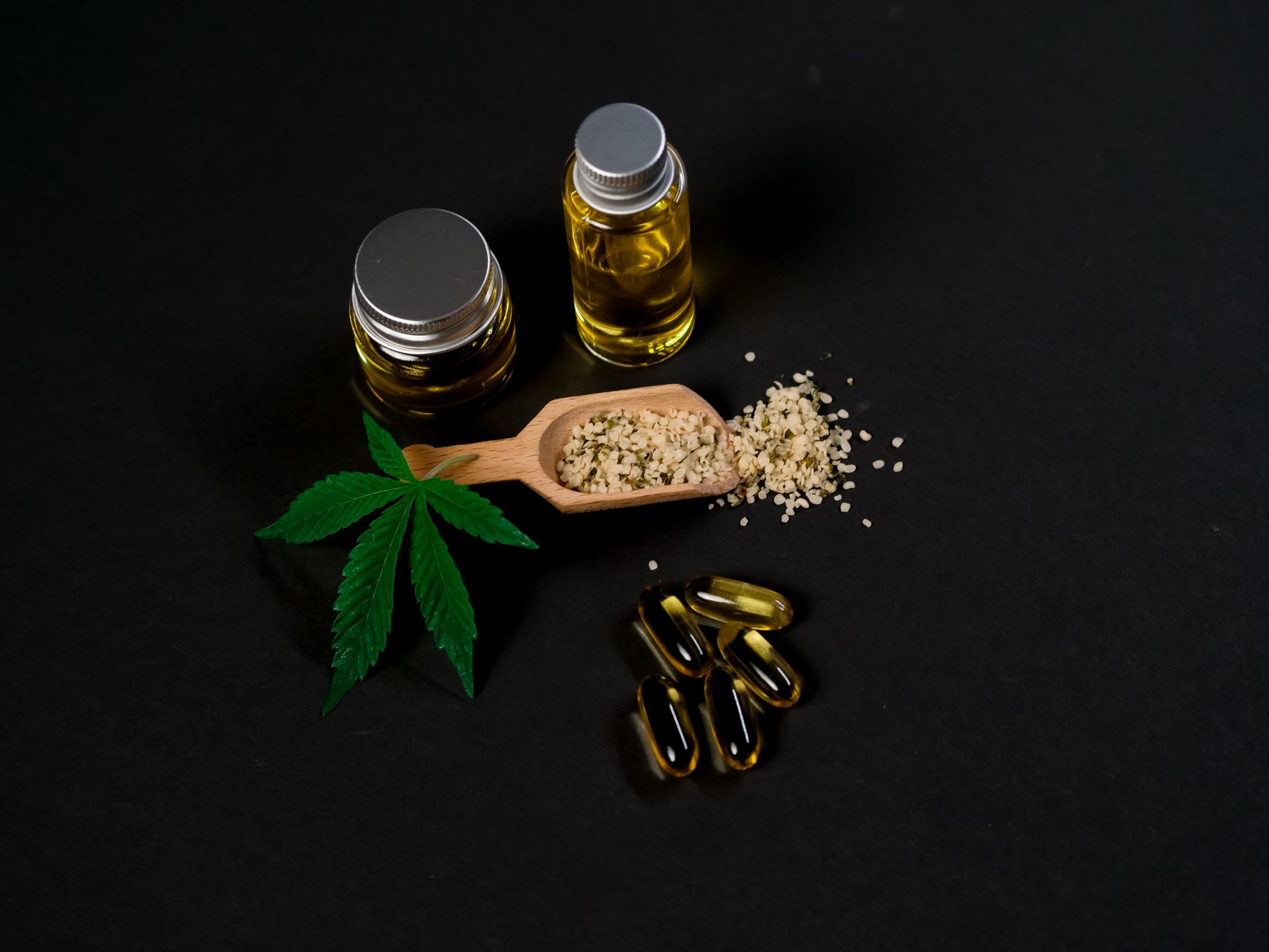
Unlocking the Benefits of Cannabis for Pain Relief
benefits of cannabis for pain relief

Unlocking the Benefits of Cannabis for Pain Relief

Discover how cannabis offers a natural and effective alternative for managing various types of pain, improving quality of life.

Learn More Now

Key Takeaways

  • ✓ Cannabis interacts with the body's endocannabinoid system (ECS) to modulate pain signals.
  • ✓ Both THC and CBD contribute to pain relief, often working synergistically.
  • ✓ It can be an effective alternative or adjunct for chronic neuropathic, inflammatory, and cancer-related pain.
  • ✓ Various consumption methods offer different onset times and durations of relief.

How It Works

1
Understanding the Endocannabinoid System (ECS)

The ECS is a complex cell-signaling system in your body that plays a role in regulating a wide range of functions and processes, including pain, mood, appetite, and sleep. Cannabis compounds, called cannabinoids, interact with this system.

2
Cannabinoids and Their Receptors

The primary cannabinoids, THC and CBD, bind to or influence cannabinoid receptors (CB1 and CB2) located throughout the brain and body. CB1 receptors are abundant in the central nervous system, while CB2 receptors are found mainly in the immune system and peripheral tissues.

3
Modulating Pain Signals

By interacting with these receptors, cannabinoids can alter the perception of pain, reduce inflammation, and modulate nerve activity. THC is known for its analgesic and psychoactive effects, while CBD offers anti-inflammatory and anxiolytic properties without intoxication.

4
Synergistic Effects (Entourage Effect)

The various compounds in the cannabis plant, including cannabinoids, terpenes, and flavonoids, are believed to work together in what's known as the 'entourage effect.' This synergy can enhance therapeutic benefits and mitigate potential side effects, leading to more comprehensive pain relief.

The Science Behind Cannabis and Pain Management
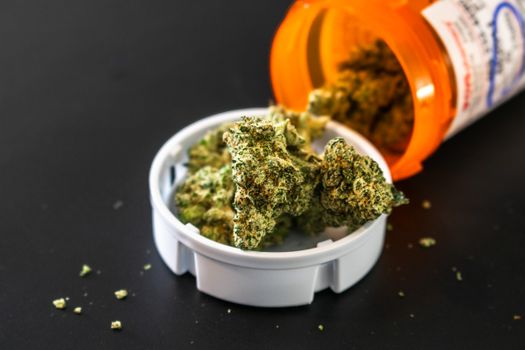
Close-up of medical cannabis spilling from an orange prescription bottle onto a surface. Photo: Terrance Barksdale / Pexels
For centuries, various cultures have recognized the medicinal properties of the cannabis plant, particularly its ability to alleviate pain. Today, modern science is catching up, providing a deeper understanding of how cannabis interacts with the human body to produce its analgesic effects. The key to this interaction lies within the endocannabinoid system (ECS), a complex network of receptors, endocannabinoids (cannabinoids produced by the body), and enzymes found throughout the central and peripheral nervous systems, as well as in immune cells. The ECS plays a crucial role in regulating a vast array of physiological processes, including pain sensation, inflammation, mood, appetite, and sleep. When external cannabinoids, such as delta-9-tetrahydrocannabinol (THC) and cannabidiol (CBD), are introduced into the body, they interact with the ECS, primarily by binding to cannabinoid receptors, CB1 and CB2. THC is the most well-known psychoactive compound in cannabis and is largely responsible for the plant's intoxicating effects. However, it also possesses significant pain-relieving properties. THC binds directly to CB1 receptors, which are densely located in areas of the brain and spinal cord involved in pain processing. By activating these receptors, THC can modulate pain signals, reduce their intensity, and alter the perception of pain. Furthermore, THC can also influence the release of neurotransmitters, such as serotonin and dopamine, which can indirectly contribute to pain relief by improving mood and reducing anxiety often associated with chronic pain conditions. Its ability to induce a sense of relaxation and euphoria can also help patients cope with the psychological burden of persistent pain. CBD, on the other hand, is non-psychoactive and has gained considerable attention for its therapeutic potential without the 'high.' Unlike THC, CBD does not directly bind to CB1 or CB2 receptors with high affinity. Instead, it interacts with the ECS in more indirect ways, such as by inhibiting the enzymes that break down endocannabinoids, thereby increasing their levels in the body. CBD also interacts with various non-cannabinoid receptors, including serotonin receptors, which can contribute to its anti-anxiety and antidepressant effects, often beneficial for pain patients. Its most notable contribution to pain relief comes from its potent anti-inflammatory properties. Many chronic pain conditions, such as arthritis and neuropathic pain, have an underlying inflammatory component. By reducing inflammation, CBD can significantly alleviate pain and discomfort. Moreover, CBD has been shown to have neuroprotective qualities and can help reduce muscle spasms, making it valuable for conditions like multiple sclerosis. The combined action of THC and CBD, along with other minor cannabinoids and terpenes found in the plant, is often referred to as the 'entourage effect.' This theory suggests that these compounds work synergistically to enhance the therapeutic benefits of cannabis while potentially mitigating unwanted side effects, offering a more holistic approach to pain management. Understanding this intricate interplay is crucial for optimizing the therapeutic use of cannabis for various pain conditions.

Diverse Applications: Targeting Various Pain Types

High-quality CBD products in bottles and boxes on a neutral background, ideal for wellness concepts. Photo: Elsa Olofsson / Pexels
The versatility of cannabis in addressing different types of pain is one of its most compelling attributes. From chronic neuropathic pain to inflammatory conditions and acute discomfort, cannabis offers a broad spectrum of relief. Chronic pain, defined as pain lasting for more than three months, affects millions of Americans and can be debilitating, significantly impacting quality of life. Traditional pain management strategies often involve opioids, which carry a high risk of addiction and severe side effects. Cannabis presents a promising alternative or adjunct therapy, particularly for those seeking to reduce their reliance on conventional pharmaceuticals. Neuropathic pain, caused by damage to the nervous system, is notoriously difficult to treat. Conditions like diabetic neuropathy, post-herpetic neuralgia, and phantom limb pain often respond poorly to standard analgesics. Research suggests that cannabinoids can modulate nerve firing and reduce the hypersensitivity associated with neuropathic pain. THC's ability to interact with CB1 receptors in the central nervous system can help dampen these aberrant pain signals, while CBD's anti-inflammatory and neuroprotective properties can contribute to nerve health and reduce irritation. Patients often report a significant reduction in burning, tingling, and shooting pains after incorporating cannabis into their treatment regimen. Inflammatory pain, characteristic of conditions such as rheumatoid arthritis, Crohn's disease, and fibromyalgia, is another area where cannabis shines. CBD, in particular, is a powerful anti-inflammatory agent. It works by interacting with various receptors and pathways involved in the inflammatory response, reducing the production of pro-inflammatory cytokines and suppressing immune cell activity. This reduction in inflammation directly translates to decreased pain and swelling, improving mobility and overall comfort for individuals suffering from these conditions. THC also contributes to anti-inflammatory effects, and the combination of both cannabinoids can provide comprehensive relief. Cancer-related pain, which can stem from the disease itself or from treatments like chemotherapy and radiation, is often severe and multifaceted. Cannabis has been shown to be effective in managing not only the pain but also associated symptoms such as nausea, appetite loss, and anxiety, which are common among cancer patients. The analgesic effects of THC, combined with CBD's anti-inflammatory and anti-nausea properties, make cannabis a valuable palliative care tool. Furthermore, some studies are exploring the potential anti-tumor effects of cannabinoids, adding another layer to their therapeutic utility in oncology. Even acute pain, such as that resulting from injuries or post-operative recovery, can be managed with cannabis. While often less emphasized than chronic pain, the ability of cannabis to provide immediate relief and reduce the need for opioid painkillers in acute settings is a significant benefit. Different strains and consumption methods can be tailored to provide rapid onset for acute pain or sustained relief for chronic conditions, allowing for personalized treatment plans. The diverse mechanisms of action of cannabinoids allow them to target pain at multiple levels, offering a holistic approach to pain management that extends beyond simple symptom suppression.

Choosing the Right Cannabis Product and Consumption Method
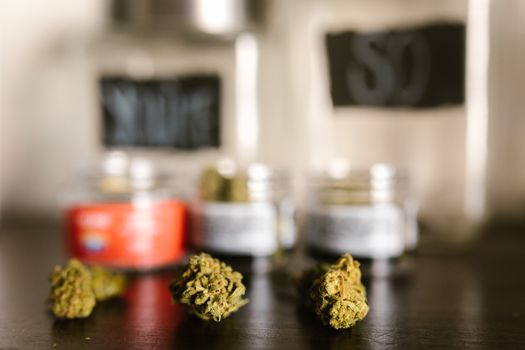
Macro shot of cannabis buds with blurred glass jars in the background, emphasizing texture and color. Photo: RDNE Stock project / Pexels
Navigating the world of cannabis for pain relief can seem daunting given the myriad of products and consumption methods available. However, understanding the characteristics of each can help individuals make informed choices tailored to their specific pain type, desired onset, and duration of effects. The two primary cannabinoids, THC and CBD, are often the main considerations, but the presence of other minor cannabinoids and terpenes also plays a crucial role in the overall therapeutic outcome, thanks to the entourage effect. When selecting a product, consider the ratio of THC to CBD. High-THC products are often chosen for severe pain, neuropathic pain, and conditions where the psychoactive effects are tolerable or even desired for relaxation and sleep. These products can provide potent pain relief and mood elevation, but may come with side effects like anxiety or paranoia in sensitive individuals. High-CBD products, on the other hand, are ideal for those seeking anti-inflammatory benefits and pain relief without the intoxication. They are often preferred for inflammatory pain, mild to moderate chronic pain, and for individuals who are sensitive to THC or need to maintain mental clarity. Balanced THC:CBD ratios (e.g., 1:1) are popular as they aim to leverage the synergistic benefits of both cannabinoids, often providing effective pain relief with reduced psychoactivity compared to THC-dominant products. Consumption methods significantly influence the onset and duration of effects. Inhalation methods, such as smoking or vaping, offer the fastest onset of action, typically within minutes, making them suitable for acute pain flare-ups or when immediate relief is needed. The effects usually last for 2-4 hours. However, smoking can irritate the respiratory system, and vaping, while generally considered less harmful, still involves inhaling heated substances. Edibles and tinctures provide a longer-lasting effect, usually kicking in within 30 minutes to 2 hours, and lasting for 6-8 hours or even longer. This makes them ideal for chronic pain management, especially for sustained relief throughout the day or night. The delayed onset means careful dosing is crucial to avoid overconsumption. Topicals, such as creams, balms, and patches, are applied directly to the skin and are excellent for localized pain, such as arthritis in a specific joint or muscle soreness. They offer targeted relief without systemic psychoactive effects, as cannabinoids are not absorbed into the bloodstream in significant amounts. Other less common but effective methods include suppositories, which offer systemic effects without inhalation or oral digestion, and transdermal patches, which provide slow, sustained release of cannabinoids over many hours. Consulting with a knowledgeable healthcare professional or a cannabis dispensary expert is highly recommended to determine the most appropriate product and method for individual needs, especially when considering drug interactions or pre-existing health conditions. Understanding these choices empowers patients to effectively integrate cannabis into their pain management strategy, maximizing its therapeutic potential for relief.

Navigating Potential Side Effects and Safe Usage Practices
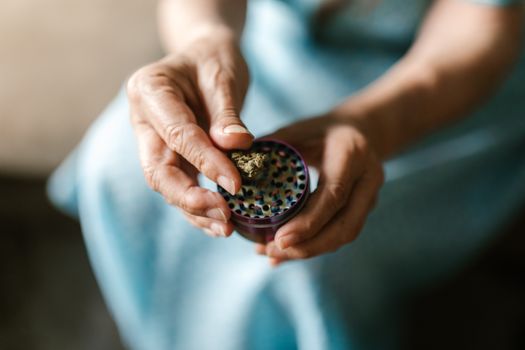
A close-up image showing hands using a weed grinder with cannabis. Photo: RDNE Stock project / Pexels
While the benefits of cannabis for pain relief are compelling, it's crucial to approach its use with an understanding of potential side effects and best practices for safe consumption. Like any medication, cannabis is not without its drawbacks, and responsible use is paramount to maximizing its therapeutic potential while minimizing risks. The most common side effects associated with cannabis, particularly THC-dominant products, include dry mouth, red eyes, increased heart rate, dizziness, and altered perception or impaired coordination. For some individuals, higher doses of THC can induce anxiety, paranoia, or even temporary psychosis, especially in those predisposed to mental health conditions. These effects are generally dose-dependent and can be mitigated by starting with low doses and gradually increasing as needed, a practice known as 'start low, go slow.' Long-term use of cannabis, particularly heavy use during adolescence, has been linked to potential risks such as respiratory issues (if smoking), cognitive impairment, and a higher risk of developing cannabis use disorder. However, for adult patients using cannabis medically, these risks are often weighed against the benefits of pain relief and reduced reliance on more dangerous pharmaceuticals like opioids. It's important to note that CBD generally has a much milder side effect profile, with potential issues including fatigue, diarrhea, and changes in appetite or weight. CBD is also known to interact with certain medications, particularly those metabolized by the cytochrome P450 enzyme system, which includes blood thinners, antidepressants, and anti-seizure medications. Therefore, it is essential to consult with a healthcare provider before incorporating cannabis, especially CBD, into a regimen if you are taking other medications. Safe usage practices include: * **Consulting a Healthcare Professional:** Always discuss cannabis use with your doctor, especially if you have underlying health conditions or are taking other medications. They can provide guidance on appropriate dosing, potential interactions, and monitor your progress. * **Starting Low, Going Slow:** Begin with the lowest effective dose and gradually increase until you find the optimal level of relief with minimal side effects. This is particularly important for edibles due to their delayed onset. * **Choosing Reputable Sources:** Purchase cannabis products from licensed dispensaries to ensure product quality, accurate labeling, and absence of contaminants. * **Understanding Product Labels:** Pay attention to THC:CBD ratios, cannabinoid percentages, and recommended serving sizes. * **Avoiding Driving or Operating Machinery:** Do not drive or operate heavy machinery while under the influence of THC. * **Storing Safely:** Keep cannabis products out of reach of children and pets. * **Monitoring Your Response:** Keep a journal of your doses, the type of product used, the pain relief experienced, and any side effects to help fine-tune your treatment plan. By adhering to these guidelines, individuals can safely explore the benefits of cannabis for pain relief, making informed decisions that prioritize their health and well-being. The goal is to achieve effective pain management with the fewest possible adverse effects, integrating cannabis thoughtfully into a comprehensive health strategy.

Comparison

FeatureCannabis (THC/CBD)OpioidsNSAIDs (e.g., Ibuprofen)
Pain Relief MechanismECS modulation, anti-inflammatoryOpioid receptor bindingCOX enzyme inhibition, anti-inflammatory
Addiction PotentialLow (THC), None (CBD)HighLow (physical dependence rare)
Psychoactive EffectsYes (THC), No (CBD)Yes (euphoria)No
Side EffectsDry mouth, dizziness, anxiety (THC); fatigue (CBD)Nausea, constipation, respiratory depression, sedationGI upset, kidney damage, cardiovascular risk
Long-Term Use ConcernsRespiratory (smoking), cognitive (adolescent)Tolerance, addiction, overdose, organ damageGI bleeding, kidney failure, heart attack/stroke
Inflammation Reduction
Neuropathic Pain EfficacyLimited
Muscle Relaxation

What Readers Say

"After years of struggling with chronic back pain, cannabis has been a game-changer. I use a CBD-rich tincture daily, and it significantly reduces my inflammation and allows me to move more freely without constant discomfort."

Sarah J. · Denver, CO

"For my neuropathic pain from diabetes, nothing worked like cannabis. A low-dose THC edible before bed helps me sleep through the night without the burning sensation in my feet. It's truly a blessing."

Mark T. · Portland, OR

"I was hesitant to try cannabis for my fibromyalgia, but a 1:1 THC:CBD vape has reduced my widespread pain by at least 60%. I can now enjoy activities I thought were lost to me, like hiking."

Emily R. · Los Angeles, CA

"Cannabis has been very helpful for my post-surgical pain, allowing me to cut down on strong painkillers. While the psychoactive effects of THC took some getting used to, the relief it provides is undeniable, and I appreciate the natural approach."

David L. · Boston, MA

"As a cancer patient, managing pain and nausea is critical. Cannabis, specifically a balanced strain, helps me maintain my appetite and significantly lessens my discomfort, making my treatment journey much more bearable."

Jessica M. · Seattle, WA

Frequently Asked Questions

What types of pain can cannabis help relieve?

Cannabis has shown promise in relieving various types of pain, including chronic neuropathic pain (nerve pain), inflammatory pain (e.g., arthritis, fibromyalgia), cancer-related pain, and even acute pain from injuries or post-operative recovery. Its broad mechanism of action allows it to address pain at multiple levels within the body.

Is cannabis addictive when used for pain relief?

While cannabis can lead to dependence in some individuals, particularly with heavy, recreational use of high-THC products, the risk of addiction is generally considered lower than with opioids. CBD is non-addictive. Medical use, especially under guidance, focuses on therapeutic doses which further reduces this risk.

How do I choose between THC and CBD for pain relief?

THC is known for its potent analgesic and psychoactive effects, often chosen for severe pain. CBD offers anti-inflammatory and pain-relieving benefits without intoxication, suitable for those sensitive to THC or seeking inflammation reduction. Many find a balanced THC:CBD ratio most effective due to the 'entourage effect'.

How much does medical cannabis for pain relief typically cost?

The cost of medical cannabis varies significantly based on product type, potency, dosage, and state regulations. It can range from $30-$100+ per month, depending on individual needs. Insurance typically does not cover medical cannabis, so patients should budget accordingly.

How does cannabis compare to traditional pain medications like opioids or NSAIDs?

Cannabis offers a different mechanism of action, interacting with the ECS. Unlike opioids, it carries a lower risk of fatal overdose and addiction. Compared to NSAIDs, it can address neuropathic pain more effectively and may have fewer gastrointestinal side effects for some, though both have anti-inflammatory properties. It's often considered an alternative or complementary therapy.

Who should consider using cannabis for pain relief?

Individuals suffering from chronic pain conditions that haven't responded well to conventional treatments, those seeking to reduce reliance on opioids, or patients with specific inflammatory or neuropathic pain types may consider cannabis. It's crucial to consult a doctor to determine if it's appropriate for your specific health situation.

Are there any significant side effects or safety concerns with using cannabis for pain?

Common side effects of THC include dry mouth, dizziness, and altered perception; higher doses can cause anxiety or paranoia. CBD generally has milder side effects like fatigue. Cannabis can interact with certain medications, and long-term heavy use, especially during adolescence, carries risks. Always discuss with a doctor for safe use.

What are the future trends for cannabis in pain management?

Future trends include more targeted cannabinoid formulations, personalized medicine based on individual genetics and pain profiles, and increased research into minor cannabinoids and terpenes. We can expect more sophisticated delivery methods and greater integration into mainstream healthcare as regulations evolve and scientific understanding deepens.

Ready to explore the profound benefits of cannabis for pain relief? Consult with a healthcare professional today to understand if it's the right solution for your unique pain management needs and embark on a path to improved well-being.

Topics: benefits of cannabis for pain reliefmedical cannabis painCBD for painTHC pain managementcannabis chronic pain
Leo List

DK Escorts LU Escorts AT Escorts SE Escorts FI Escorts CH Escorts DE Escorts HR Escorts IE Escorts GR Escorts CZ Escorts NO Escorts BE Escorts FR Escorts SI Escorts IL Escorts NL Escorts PL Escorts HU Escorts ES Escorts IT Escorts PT Escorts SK Escorts RO Escorts ZA Escorts UY Escorts US Escorts UK Escorts NZ Escorts AU Escorts
Brampton weed
Adultwork EstrelaBet Vai de Bet R7 Bet Betão Galera Bet Rainbet Bet9ja Shop SportyBet BetKing Sisal Loto Foot Hollywoodbets YesPlay Odibets RushBet Jugabet BetWarrior BetCity MSport betPawa Fortebet