
Unlocking Calm: The Benefits of CBD Oil for Anxiety
benefits of CBD oil for anxiety

Unlocking Calm: The Benefits of CBD Oil for Anxiety

Explore how CBD oil can naturally alleviate anxiety, promoting a sense of peace and improving overall well-being.

Find Your Calm

Key Takeaways

  • ✓ CBD interacts with the endocannabinoid system to regulate mood.
  • ✓ Studies suggest CBD may reduce various forms of anxiety, including GAD, SAD, and PTSD.
  • ✓ Unlike THC, CBD is non-intoxicating and does not produce a 'high'.
  • ✓ Dosage and product quality are crucial for effective and safe use.

How It Works

1
Interacting with the ECS

CBD influences the body's endocannabinoid system (ECS), a complex network involved in regulating mood, sleep, appetite, and immune response. By interacting with ECS receptors, CBD helps maintain balance.

2
Modulating Serotonin

Research indicates CBD may affect serotonin levels in the brain, similar to some antidepressant medications. Serotonin is a neurotransmitter known to play a key role in mood regulation and feelings of well-being.

3
Reducing Stress Response

CBD has shown potential in reducing physiological responses to stress, such as heart rate and blood pressure. This can lead to a calmer state and diminished feelings of anxiety in stressful situations.

4
Neuroprotective Properties

Beyond immediate relief, CBD exhibits neuroprotective qualities, potentially safeguarding brain health. This long-term benefit contributes to overall mental resilience against anxiety-inducing factors.

Understanding Anxiety and the Role of Cannabidiol
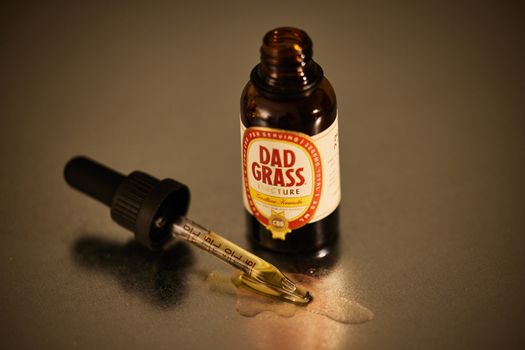
An open CBD tincture bottle with a dropper on a reflective surface. Photo: Dad Grass / Pexels
Anxiety is a natural human emotion, but when it becomes excessive, persistent, and interferes with daily life, it can evolve into an anxiety disorder. Millions of Americans grapple with various forms of anxiety, from generalized anxiety disorder (GAD) to social anxiety disorder (SAD) and panic disorder. The impact extends beyond mental distress, often manifesting in physical symptoms like increased heart rate, muscle tension, fatigue, and difficulty concentrating. Traditional treatments often involve psychotherapy, medication, or a combination of both. While effective for many, these approaches aren't universally suitable, and some individuals seek alternative or complementary therapies. This is where cannabidiol, or CBD, enters the conversation, offering a natural compound derived from the cannabis plant that has garnered significant attention for its potential anxiolytic properties. Unlike its well-known counterpart, tetrahydrocannabinol (THC), CBD is non-intoxicating, meaning it doesn't produce the 'high' associated with marijuana. This distinction is crucial for those seeking therapeutic benefits without psychoactive effects. The growing interest in the benefits of CBD oil for anxiety stems from its interaction with the body's intricate endocannabinoid system (ECS). The ECS is a complex cell-signaling system identified in the early 1990s by researchers exploring THC. It plays a vital role in regulating a wide range of physiological processes and cognitive functions, including mood, sleep, appetite, pain sensation, and immune response. The ECS comprises three core components: endocannabinoids (cannabinoids produced by the body), receptors (CB1 and CB2 receptors found throughout the body), and enzymes that break down endocannabinoids. CBD doesn't directly bind to CB1 or CB2 receptors in the same way THC does. Instead, it's believed to influence the ECS indirectly, possibly by enhancing the body's own endocannabinoids or by interacting with other non-cannabinoid receptors and ion channels. For instance, CBD has been shown to interact with serotonin 5-HT1A receptors, which are involved in the regulation of anxiety and mood. This interaction is particularly significant because many anti-anxiety medications, such as selective serotonin reuptake inhibitors (SSRIs), also target the serotonin system. By modulating serotonin signaling, CBD may help to alleviate feelings of worry and promote a sense of calm. Furthermore, CBD's potential to reduce inflammation and exhibit neuroprotective properties could also contribute to its anxiolytic effects, as chronic inflammation and neuronal damage are increasingly linked to mood disorders. The scientific exploration into these mechanisms is ongoing, but the preliminary findings are promising, suggesting a multifaceted approach by CBD in addressing the complex nature of anxiety. This comprehensive understanding forms the foundation for exploring the practical applications and observed benefits of CBD oil for those seeking relief from anxiety.

Scientific Evidence Supporting CBD Oil for Anxiety Relief

The burgeoning interest in the benefits of CBD oil for anxiety is not merely anecdotal; a growing body of scientific research is beginning to shed light on its potential efficacy. While large-scale human clinical trials are still somewhat limited, the existing studies, including preclinical animal models and smaller human trials, offer compelling insights. One of the most frequently cited studies, published in the journal Neurotherapeutics, reviewed preclinical evidence and found that CBD showed considerable promise as a treatment for multiple anxiety disorders, including generalized anxiety disorder (GAD), panic disorder, social anxiety disorder (SAD), obsessive-compulsive disorder (OCD), and post-traumatic stress disorder (PTSD). The researchers concluded that CBD demonstrated anxiolytic-like effects across various behavioral tests. For social anxiety, a 2011 study published in the Journal of Psychopharmacology investigated the effects of CBD on patients with SAD during a simulated public speaking test. Participants who received CBD showed significantly reduced anxiety, cognitive impairment, and discomfort in their speech performance compared to the placebo group. This suggests CBD's potential to mitigate the acute anxiety experienced in specific social situations. In the context of generalized anxiety, a 2019 study in The Permanente Journal explored the effects of CBD on sleep and anxiety in a clinical population. Out of 103 adult patients, 79.2% experienced a decrease in anxiety scores within the first month, and 66.7% reported improved sleep scores. While sleep improvement was less sustained, the anxiety reduction remained consistent, highlighting CBD's potential as a therapeutic option for GAD. Furthermore, research into PTSD has also shown promise. Animal studies suggest that CBD may help to extinguish fear memories and prevent the reconsolidation of traumatic memories, which are key components in the development and persistence of PTSD. While human trials are needed to confirm these findings, the implications for those suffering from PTSD are significant. The mechanism behind these observed effects is thought to involve CBD's interaction with the brain's limbic and paralimbic areas, which are crucial for processing emotions and fear. Specifically, studies using functional magnetic resonance imaging (fMRI) have shown that CBD can alter blood flow to regions of the brain associated with anxiety, such as the amygdala and hippocampus, leading to a reduction in anxiety symptoms. It's also important to note that the anxiolytic effects of CBD are often dose-dependent, meaning the optimal dosage can vary significantly between individuals and for different conditions. This underscores the importance of starting with a low dose and gradually increasing it while monitoring effects, ideally under the guidance of a healthcare professional. While more extensive and rigorous human trials are undoubtedly needed to fully establish CBD's role as a primary treatment for anxiety disorders, the current scientific landscape provides a strong foundation for its potential as a valuable tool in managing anxiety symptoms.

Choosing the Right CBD Product and Dosage for Anxiety

Navigating the diverse market of CBD products can be overwhelming, especially when seeking specific benefits of CBD oil for anxiety. The effectiveness of CBD largely depends on the type of product, its quality, and the appropriate dosage. Understanding these factors is crucial for a positive and safe experience. Firstly, consider the type of CBD extract. There are three main types: full-spectrum, broad-spectrum, and CBD isolate. Full-spectrum CBD contains all the compounds naturally found in the cannabis plant, including terpenes, flavonoids, and other cannabinoids, including trace amounts of THC (up to 0.3% in the US). This type is often favored for the 'entourage effect,' a theory suggesting that all cannabis compounds work together synergistically to enhance therapeutic benefits. Broad-spectrum CBD contains all the compounds except THC, making it a suitable option for those who want to avoid THC entirely but still benefit from other plant compounds. CBD isolate is pure CBD, with all other cannabinoids and plant materials removed. While it lacks the entourage effect, it's a good choice for individuals who require absolutely no THC or prefer a tasteless product. For anxiety, many users and some research suggest that full-spectrum or broad-spectrum products may offer more comprehensive relief due to the entourage effect. Next, product quality is paramount. The CBD market is largely unregulated, leading to significant variations in product purity and potency. Always look for products that provide third-party lab testing results (Certificate of Analysis or COA). This document verifies the CBD content, confirms the absence of harmful contaminants like pesticides, heavy metals, and mold, and ensures the THC level is within legal limits. Reputable brands make their COAs easily accessible on their websites or via a QR code on the product packaging. The method of consumption also influences how quickly and effectively CBD works. CBD oil tinctures, taken sublingually (under the tongue), offer a relatively fast onset (15-45 minutes) and good bioavailability, as CBD is absorbed directly into the bloodstream. CBD capsules or edibles have a slower onset (30 minutes to 2 hours) because they must pass through the digestive system, but they offer a discreet and precise dosage. Vaping CBD provides the fastest onset (minutes) but may not be suitable for everyone due to potential respiratory concerns. Topicals are generally not effective for systemic anxiety relief. Determining the right dosage for anxiety is highly individualized. There's no one-size-fits-all answer, and factors like body weight, metabolism, the severity of anxiety, and individual body chemistry all play a role. It's generally recommended to 'start low and go slow.' Begin with a small dose, such as 5-10 mg per day, and gradually increase it over several days or weeks until you find the optimal dose that provides relief without unwanted side effects. Keeping a journal to track dosage, time of day, and observed effects can be incredibly helpful. Consulting with a healthcare professional knowledgeable about CBD is always advisable, especially if you are taking other medications, as CBD can interact with certain drugs. They can help guide you on appropriate dosages and potential interactions, ensuring a safe and effective approach to using CBD oil for anxiety.

Maximizing the Benefits: Tips for Using CBD Oil for Anxiety

To truly unlock the potential benefits of CBD oil for anxiety, it's not just about choosing a product, but also about integrating it effectively into your routine. Here are some crucial tips and common mistakes to avoid: **Tips for Effective Use:** * **Consistency is Key:** CBD's effects are often cumulative. For chronic anxiety, consistent daily use, rather than sporadic use, tends to yield better and more sustained results. Think of it like a supplement you take regularly, not just a quick fix. * **Timing Matters:** Experiment with when you take CBD. Some find it best in the morning to manage daily stressors, while others prefer it in the evening to promote relaxation and improve sleep, which in turn can reduce anxiety. Some may benefit from splitting their dose throughout the day. * **Combine with Healthy Habits:** CBD is not a magic bullet. Its effectiveness is often enhanced when combined with other anxiety-reducing strategies. This includes regular exercise, a balanced diet, sufficient sleep, mindfulness practices like meditation, and limiting caffeine and alcohol intake. * **Sublingual Application for Faster Relief:** For tinctures, holding the oil under your tongue for 60-90 seconds before swallowing allows for quicker absorption into the bloodstream, bypassing the digestive system and leading to a faster onset of effects. * **Be Patient and Observe:** CBD's effects can be subtle, especially when starting. Give your body time to adjust and observe any changes in your anxiety levels, sleep quality, and overall mood over several weeks. Keep a journal to track your progress. **Common Mistakes to Avoid:** * **Expecting Instant Miracles:** CBD is not a pharmaceutical drug designed for immediate, dramatic effects. Its benefits often build up over time, and expecting instant relief can lead to disappointment and premature discontinuation. * **Ignoring Product Quality:** As mentioned, the market has varying quality. Buying cheap, unverified CBD can lead to ineffective products or even exposure to harmful contaminants. Always prioritize third-party tested products. * **Incorrect Dosage:** Taking too little might not produce noticeable effects, while taking too much could lead to mild side effects like drowsiness or digestive upset, or simply be a waste of product. Always start low and go slow. * **Not Consulting a Doctor:** If you are on other medications, especially blood thinners, antidepressants, or seizure medications, consult your doctor before starting CBD. CBD can interact with certain enzymes in the liver that metabolize drugs, potentially altering their effectiveness or increasing side effects. * **Relying Solely on CBD:** While CBD can be a powerful tool, it's often most effective as part of a holistic approach to anxiety management. Don't neglect other crucial aspects of mental health care, such as therapy or lifestyle changes. By being mindful of these tips and pitfalls, you can optimize your experience and maximize the potential of CBD oil in your journey towards reduced anxiety and enhanced well-being.

Comparison

FeatureCBD OilTraditional Anti-Anxiety Meds (SSRIs)Herbal Supplements (e.g., Kava)
Mechanism of ActionInteracts with ECS, serotonin receptorsIncreases serotonin availability in brainVarious, often GABAergic effects
Psychoactive EffectsNone (non-intoxicating)None directly, but can alter moodSedative, can cause mild intoxication
Common Side EffectsMild drowsiness, dry mouth, diarrheaNausea, insomnia, sexual dysfunctionLiver damage (Kava), drowsiness
Onset of EffectsMinutes to hours (depending on method)Weeks to months for full effectMinutes to hours
Addiction PotentialLow, but withdrawal symptoms possible✓ (Kava)
Regulation in USPatchy, varies by stateFDA approved, prescription onlyDietary supplement, less regulation

What Readers Say

"I've struggled with generalized anxiety for years, and CBD oil has been a game-changer. I take a few drops every morning, and I feel a noticeable reduction in my constant worrying and tension. It helps me stay focused and calm throughout the day."

Sarah J. · Austin, TX

"Social anxiety used to cripple me, especially before presentations at work. Since starting CBD oil, I feel much more at ease and confident. It takes the edge off without making me feel drowsy or out of it."

Mark D. · Denver, CO

"After trying various remedies, CBD oil finally helped me get a handle on my panic attacks. The frequency has significantly decreased, and when they do occur, they are much less intense. It's given me back a sense of control."

Emily R. · Miami, FL

"CBD oil has definitely helped with my overall stress levels, making me feel more relaxed. While it hasn't completely eliminated my anxiety, it's a valuable tool in my daily routine, and I appreciate its natural approach."

David L. · Seattle, WA

"As a busy mom, my anxiety often peaked in the evenings, making it hard to unwind. A small dose of CBD oil before bed helps me relax and fall asleep faster, leading to much better quality rest and less anxiety the next day."

Jessica M. · Chicago, IL

Frequently Asked Questions

What are the primary benefits of CBD oil for anxiety?

The primary benefits include reducing feelings of worry and nervousness, promoting a sense of calm, improving sleep quality, and potentially mitigating physiological symptoms of stress like increased heart rate. It interacts with the endocannabinoid system and serotonin receptors to help regulate mood and stress responses without causing intoxication.

Is CBD oil safe to use for anxiety, and are there any side effects?

CBD is generally considered safe, with a good safety profile. Most reported side effects are mild and may include drowsiness, dry mouth, reduced appetite, or diarrhea. It's crucial to consult a healthcare professional, especially if you are taking other medications, as CBD can interact with certain drugs.

How should I take CBD oil for anxiety, and what's the best dosage?

CBD oil tinctures are often taken sublingually (under the tongue) for faster absorption. Dosage is highly individual; it's recommended to 'start low and go slow,' beginning with a small dose (e.g., 5-10 mg) and gradually increasing until desired effects are achieved. Keeping a journal can help track effectiveness.

Is CBD oil expensive, and how does its cost compare to other anxiety treatments?

The cost of CBD oil varies widely based on brand, potency, and product type. While it can be an investment, many find the cost comparable to or less than some prescription medications, especially considering potential long-term benefits and fewer side effects. It's important to weigh the cost against the quality and effectiveness.

How does CBD oil compare to prescription anxiety medications like SSRIs?

CBD oil offers a natural, non-intoxicating alternative to prescription medications. While SSRIs directly target serotonin levels and can have significant side effects and withdrawal symptoms, CBD interacts with the body's systems more subtly, often with milder side effects. It's not a direct replacement for prescribed medication without medical consultation.

Who should consider using CBD oil for anxiety?

Individuals experiencing mild to moderate anxiety, those seeking natural alternatives or complementary therapies, and people looking for relief without the psychoactive effects of THC might consider CBD oil. It's also an option for those who have not found sufficient relief from traditional treatments or experience adverse side effects from them.

Are there any risks or contraindications when using CBD oil for anxiety?

While generally safe, potential risks include interactions with certain medications (like blood thinners), liver enzyme inhibition, and possible changes in alertness. Pregnant or breastfeeding individuals should avoid CBD. Always discuss with a doctor, especially if you have underlying health conditions or are on other prescriptions.

What does the future hold for CBD oil as an anxiety treatment?

The future is promising, with ongoing research and increasing acceptance. We can expect more rigorous human clinical trials, clearer regulatory guidelines, and a deeper understanding of CBD's mechanisms of action. This will likely lead to more refined products and personalized treatment approaches, solidifying its role in mental wellness.

Embrace a calmer future by exploring the profound benefits of CBD oil for anxiety. With scientific backing and a growing community of users, CBD offers a natural path to peace and well-being. Start your journey towards reduced anxiety today and discover the difference it can make in your life.

Topics: benefits of CBD oil for anxietyCBD for stress reliefcannabidiol anxietynatural anxiety remediesCBD mental health
Leo List

IE Escorts NO Escorts US Escorts NZ Escorts AU Escorts
Brampton weed
Adultwork EstrelaBet Vai de Bet R7 Bet Betão Galera Bet Rainbet Bet9ja Shop SportyBet BetKing Sisal Loto Foot Hollywoodbets YesPlay Odibets RushBet Jugabet BetWarrior BetCity MSport betPawa Fortebet